
Also known as: Angulema
High above the winding Charente River, Angoulême reigns, a city rightly called the 'balcony city' of southwestern France. This charming fortified town, rich in history and surprising cultural treasures, invites you on a journey of discovery along ancient walls, impressive architecture, and a unique artistic legacy. Angoulême is not a city that screams for attention, but whispers its stories to those willing to listen and look.
Angoulême: The City on its Balcony
Angoulême's unique location becomes immediately clear the moment you enter the city. From one of the many viewpoints, a breathtaking panorama unfolds. Your gaze wanders over the rooftops, the church spires, and the green valleys stretching along the Charente. It is a living painting that has withstood the centuries, a testament to the strategic position the city has occupied since antiquity.
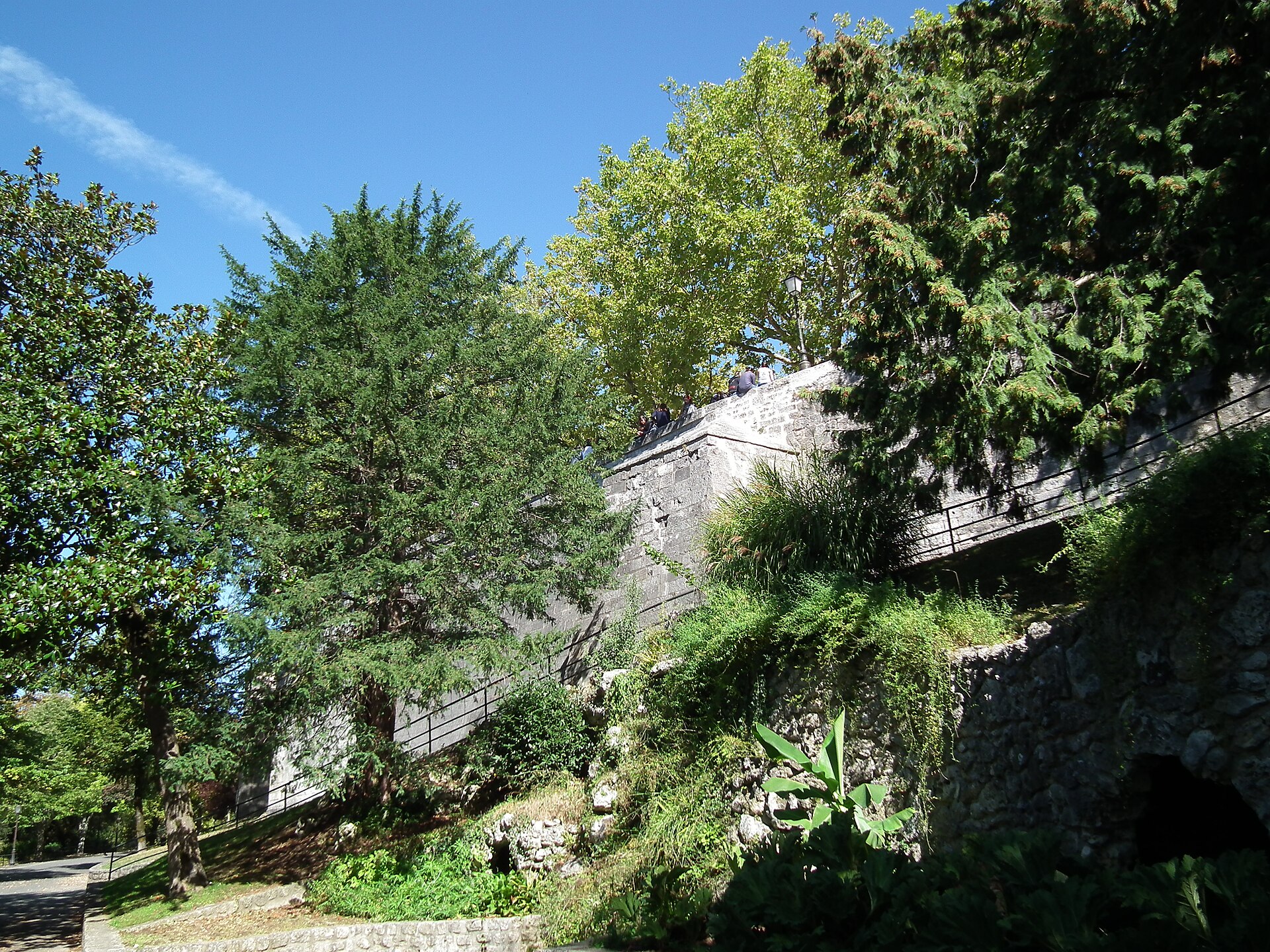
This strategic significance becomes tangible on the Remparts d'Angoulême. These imposing city walls, which have protected the city since Roman times, not only offer a spectacular view over the Charente Valley but also tell the story of centuries of defense. The stones breathe tales of sieges and victories. Elsewhere on the Remparts, you experience a different atmosphere. Here, time slows down, and you can listen to the sounds the wind carries over the city: the distant murmur of the Charente, the buzz of the market below, or the soft chirping of birds nesting in the old stones. It is a place where you can truly feel the soul of Angoulême, high above the river that has nourished and protected it for so long.
Centuries of Heritage: Architecture and History
Within Angoulême's ramparts, a wealth of architecture and history unfolds. An absolute eye-catcher is the Cathédrale Saint-Pierre, a masterpiece of Romanesque art. Its facade is an open-air Bible, adorned with hundreds of sculptures depicting stories from the Bible and daily life. Every detail, from the Ascension of Christ to fantastic beasts, is a work of art in itself and invites prolonged contemplation.
Not far from there is the Musée d'Angoulême, housed in the former bishop's palace. This museum houses an eclectic collection that takes you from prehistoric finds to African art and medieval treasures. The impressive facade of the palace has witnessed many stories throughout the centuries. Another beautiful example of historical grandeur is the Hôtel de Bardines, an 18th-century 'hôtel particulier' that once belonged to an influential family. Its elegant architecture and fine details reveal the wealth and taste of its original inhabitants. The Palais de Justice, with its stately classical architecture, also exudes authority and solemnity, a symbol of law and order that has upheld justice in the city for centuries. The dedication to preserving this history is palpable in places like the Société Archéologique et Historique de la Charente, a treasure trove of knowledge where passionate historians and archaeologists unravel the secrets of Angoulême and the Charente.
The Creative Pulse of Angoulême: From Paper to Comic Strip
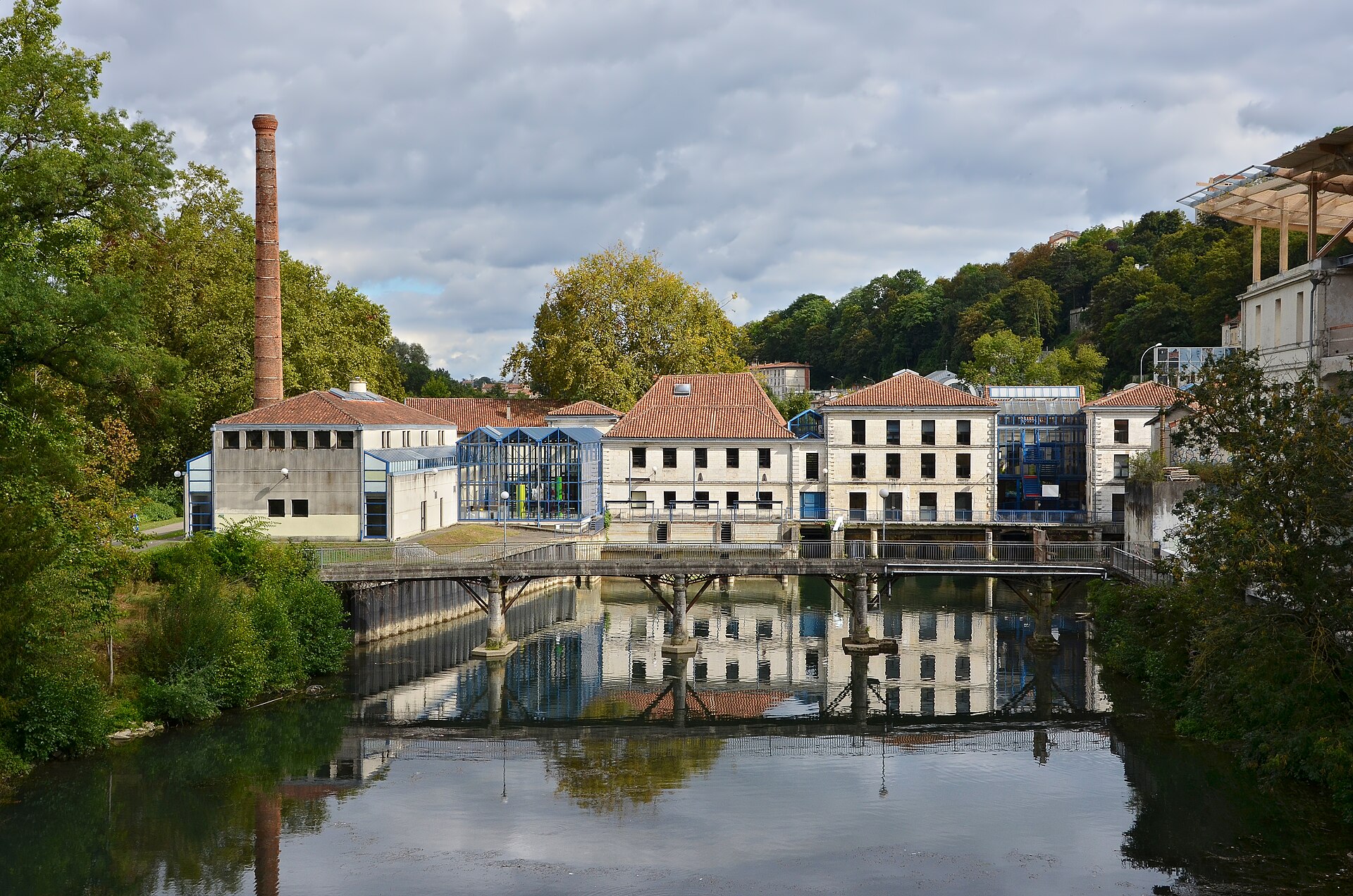
Angoulême is known not only for its history but also for its unique cultural and industrial heritage. Follow the scent of paper and history to the Musée du Papier, beautifully situated on the banks of the Charente. Angoulême was once the beating heart of the French paper industry, and this museum celebrates that rich legacy. Here you discover the art of papermaking, from ancient mills to modern techniques, and learn how something as everyday as paper has such a deep history.
But Angoulême is especially world-famous as the capital of the comic strip. The Musée de la Bande Dessinée is a tribute to the ninth art. Here you dive into the wonderful world of comics, from classic French strips to manga and graphic novels. The museum showcases the evolution and diversity of this art form and is an absolute must-see for anyone who wants to experience the power of drawn stories. These two museums emphasize the creative pulse that characterizes Angoulême, a city that honors its past while embracing a vibrant cultural future.
- 10 stops
- Start anywhere
- ~3,9 km route length
- ~978 m longest stretch
- about 1,5–2 h duration
- Free

