
Also known as: Augsbourg, Augsburgo
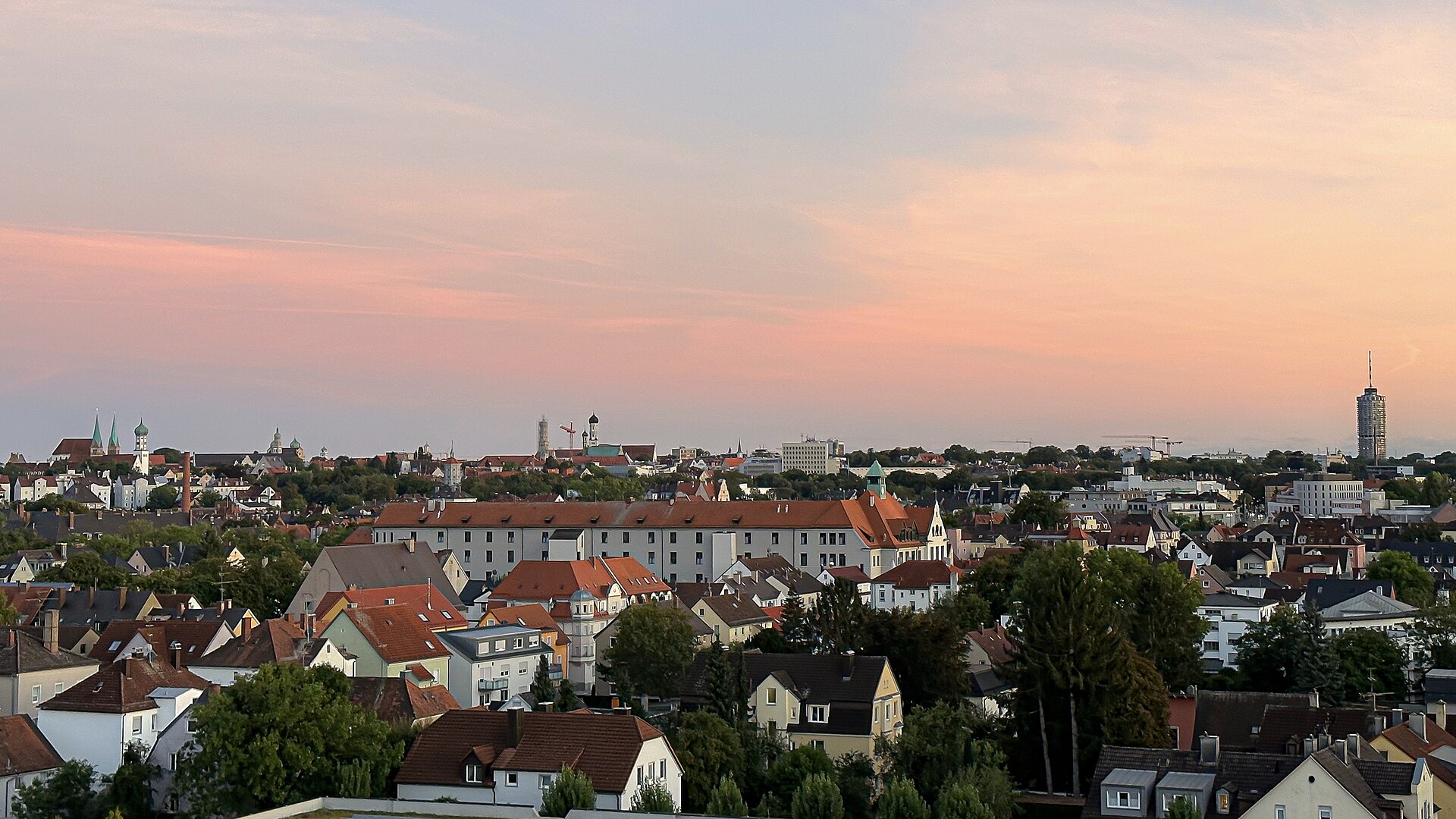
Forget the beaten path and let yourself be carried away to Augsburg, a city in Bavaria bursting with history, yet often overlooked. From its Roman roots to the unprecedented wealth of the Fuggers and a revolutionary social vision, Augsburg is a place where every cobblestone whispers a story. It's a city that has forged its own unique identity, shaped by water, trade, and a deep-rooted sense of community. Step inside and discover why this pearl on the Lech leaves an unforgettable impression.
A City Born of Water and Wealth
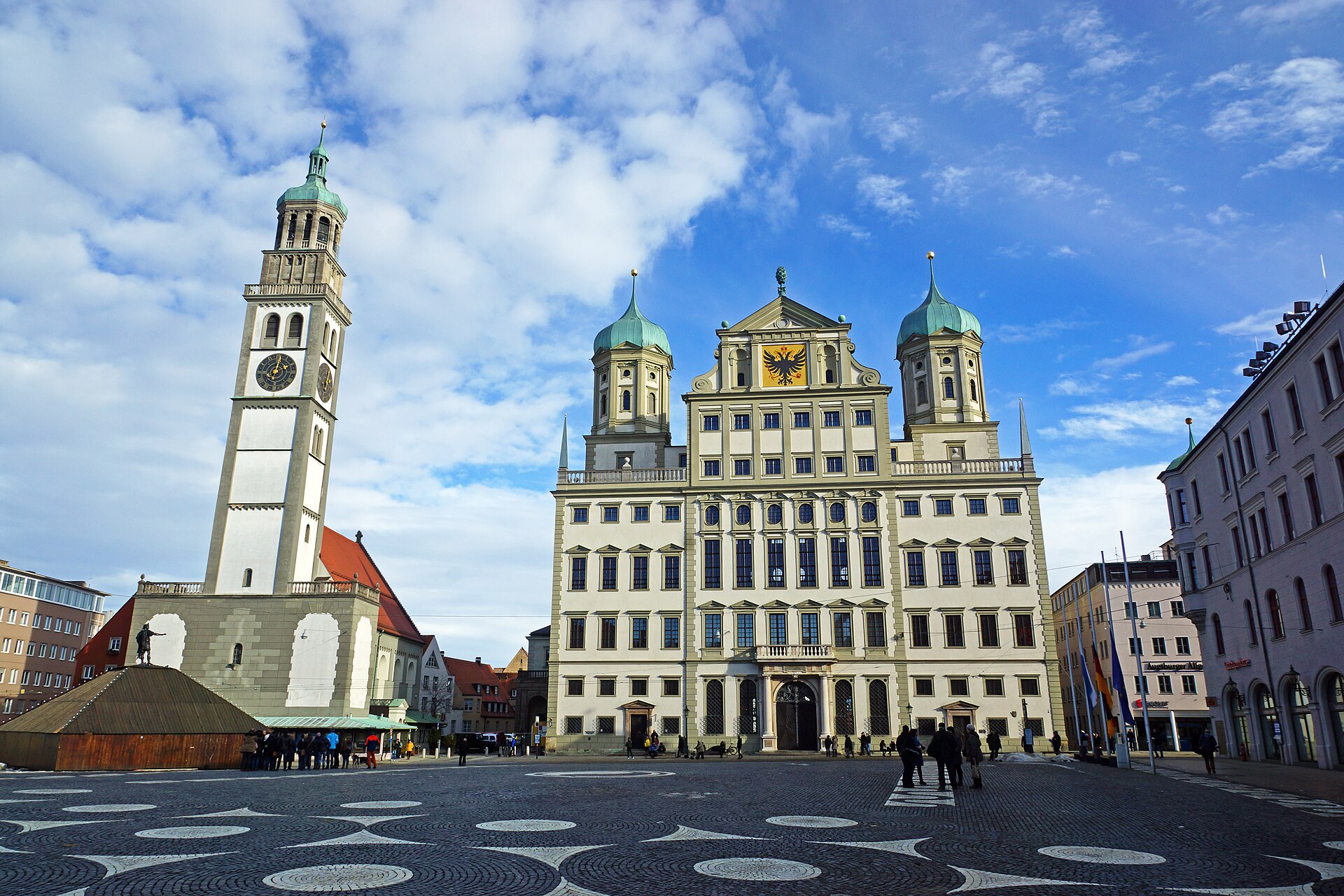
The journey through Augsburg begins at Rathausplatz, the city's beating heart. Here stands the imposing Rathaus (Town Hall), an architectural masterpiece that once housed Europe's largest secular hall: the Golden Hall. Centuries ago, powerful merchants and emperors walked these historic cobblestones, emphasizing the grandeur of the place. Nearby stands the Augustusbrunnen (Augustus Fountain), a triumphant ode to Emperor Augustus, the city's founder. This fountain symbolizes Augsburg's mastery over water, which for centuries was the source of its wealth. The bronze figures by Hubert Gerhard represent the four rivers that bless the land.
The influence of the Fuggers, one of Europe's wealthiest families, is palpable everywhere. A monument to Hans Jakob Fugger commemorates another side of this dynasty; he was a patron of arts and sciences, and amassed one of the most important libraries of his time. His legacy emphasizes that true wealth also lies in knowledge and culture. This cultural and economic flourishing is further highlighted in the Maximilian Museum, housed in two historic mansions. Its collections tell the story of silversmiths, merchants, and emperors, with objects ranging from intricate clockwork automatons to silver goblets.
Play Augsburg right in your browser →
Roman Echoes and Medieval Walls
Augsburg's history reaches further back than medieval trade. On the Zeugplatz once stood Augusta Vindelicum, a vital outpost of the Roman Empire. The Römische Museum (Roman Museum), housed in the former church of St. Magdalena, preserves the treasures from that Roman era. It's a place where you can almost hear the echoes of legions marching.
The city's fortifications bear witness to its strategic importance. The Rotes Tor (Red Gate), one of Augsburg's oldest and most formidable city gates, owes its name to its characteristic red bricks. Through this arch, horse-drawn carts and merchants passed, while the gate protected the city. The Augsburg Arsenal, or Zeughaus, built in the early 17th century, was the city's military heart. Here, weapons and cannons were stored that defended its freedom and wealth. The large bronze group above the portal depicts Saint Michael defeating a devil, a symbol of the city's determination. Another powerful survivor from the medieval past is the Jakobertor (Jakob Gate), with its sturdy towers and battlements, once an important entrance to the bustling Jakobervorstadt district.
Art, Culture, and Compassion
Augsburg is also a city of refined art and profound social innovation. The Schaezlerpalais, an 18th-century jewel of Rococo architecture, houses an impressive art collection, including the German Baroque Gallery. The opulent ballroom, with its gilded decorations and frescoes, is one of Europe's most beautiful. The Herculesbrunnen (Hercules Fountain), a masterpiece of Baroque power, depicts the mythical hero Hercules defeating the multi-headed Hydra, a powerful symbol of Augsburg's triumph over its own challenges. Water nymphs and tritons swirl around the base, celebrating the life-giving water.
In a modest house on the river Lech, a theatrical giant was born: Bertolt Brecht. The Brechthaus (Brecht House) invites you to step into the world of his youth and feel the atmosphere that fueled his revolutionary ideas about society and art. But perhaps the most unique aspect of Augsburg is the Fuggerei. This is the world's oldest social housing complex still in use, founded in 1521 by Jakob Fugger 'the Rich'. It is a peaceful village within the city, with its own church and charming alleys. For an annual rent of just 88 cents and three daily prayers, residents find a home here, a living testament to compassion.
Discover More of Augsburg
This walk offers only a glimpse of the many layers Augsburg has to offer. From its Roman foundations to its visionary social projects and rich art history, every corner of the city reveals a new story. There is so much more to discover, with hidden details and riddles waiting to be unraveled. Choose the full walk through Augsburg in the CityWalkGems app and let yourself be guided through the fascinating history of this special city.
- 12 stops
- Rotes Tor start
- ~2,9 km route length
- ~736 m longest stretch
- about 1,5–2 h duration
- Paid

.jpg)