
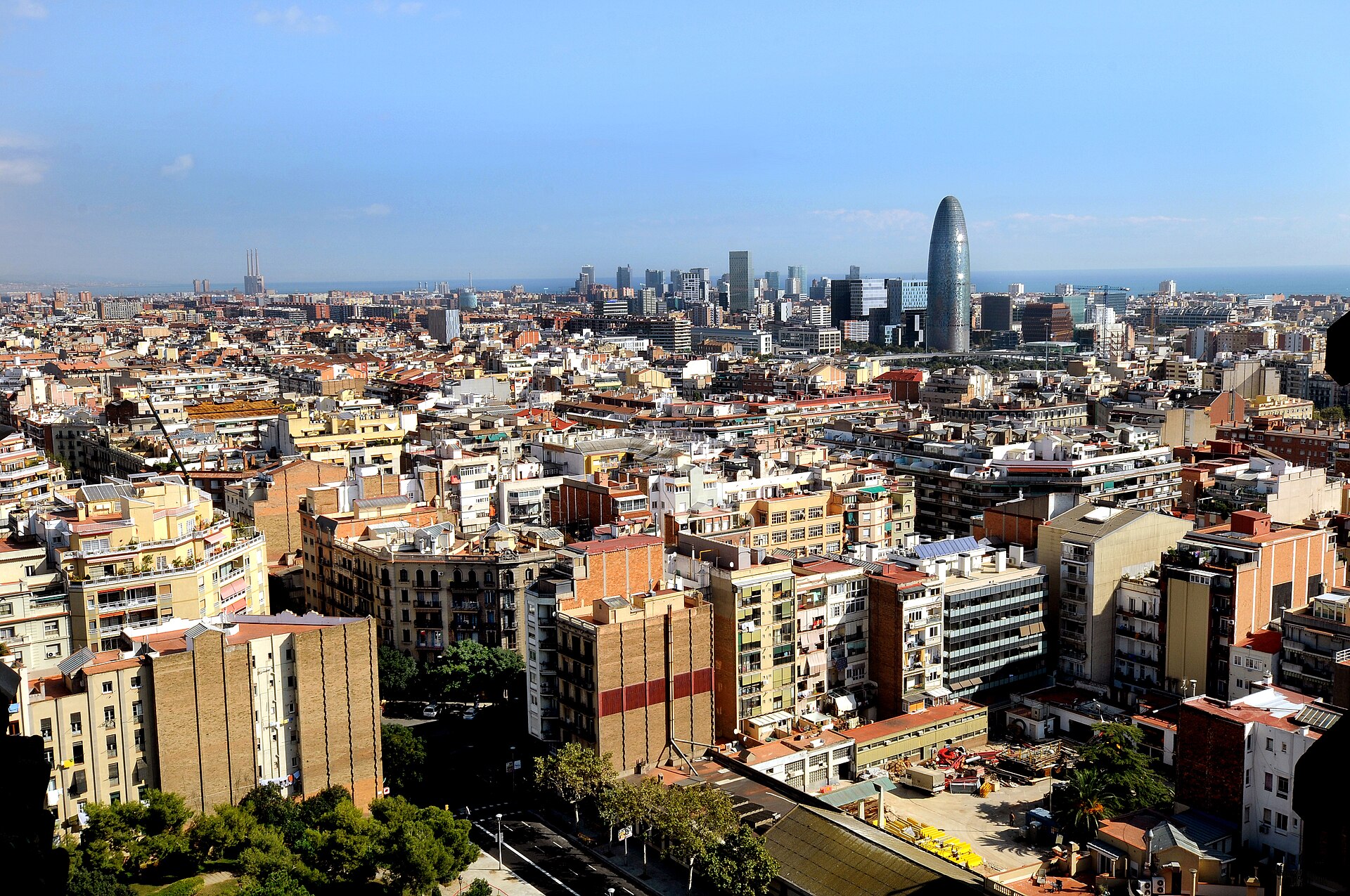
Also known as: Barcelone
Barcelona is more than a city; it's a living museum, a melting pot of history, art, and Catalan soul. From the grandeur of world exhibitions to the intimate alleys of the Gothic Quarter, every corner tells a story. A walk through this vibrant metropolis reveals the deep layers that make the city so unique, with a route that takes you past both famous landmarks and surprising, silent witnesses of the past.
A Grand Start and Green Lungs
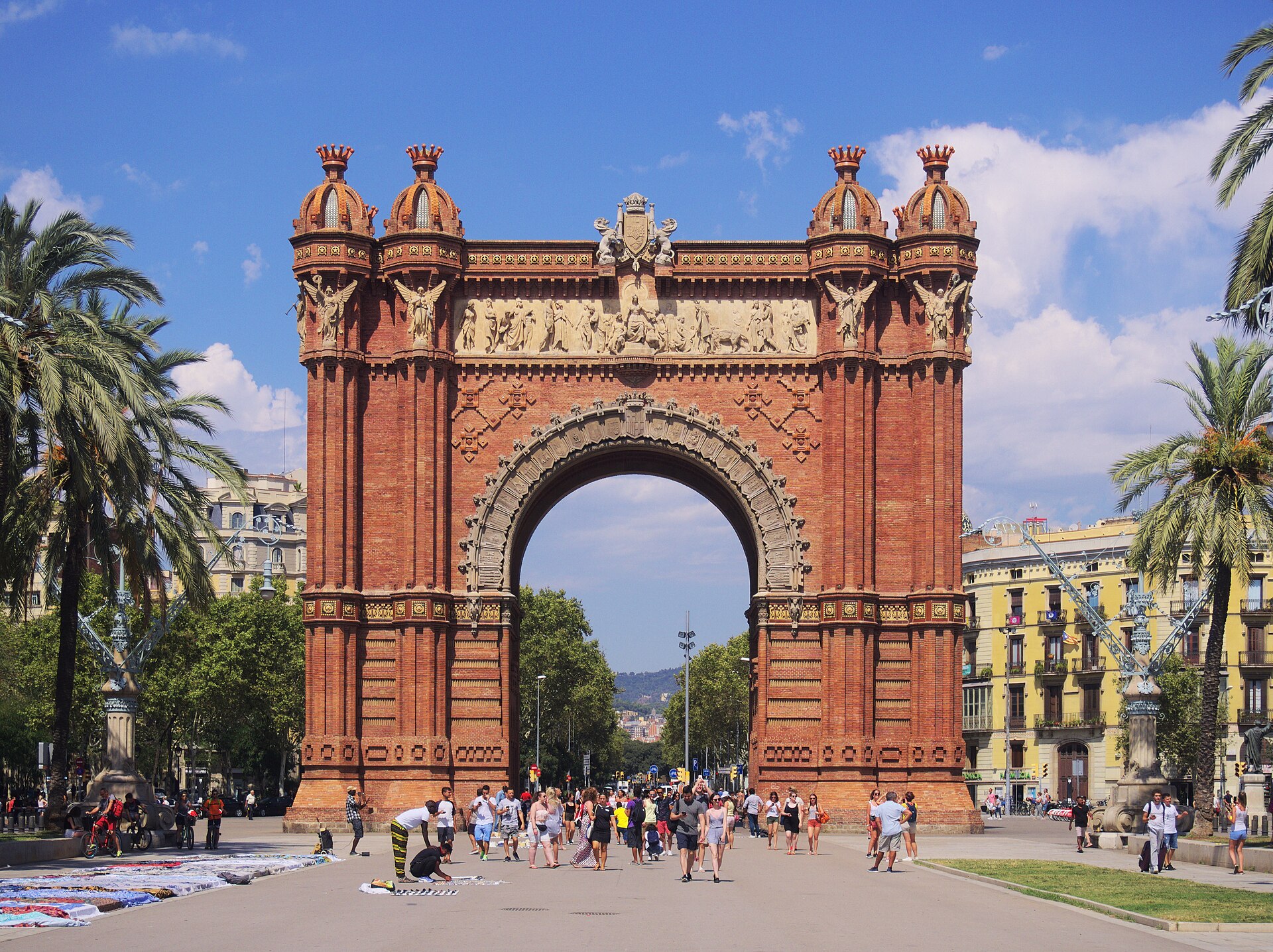
Your journey through Barcelona begins beneath the impressive Arc de Triomf. This red brick triumphal arch served as the main entrance for the 1888 Universal Exposition. The wide promenade stretching behind it makes it a bright and photogenic starting point for your exploration. From here, you walk on to the green oasis of Parc de la Ciutadella, where the Cascada Monumental (Monumental Waterfall) catches your eye. This theatrical fountain is one of the park's highlights. Josep Fontserè led the design, and the young Antoni Gaudí contributed to technical aspects, such as hydraulic details. Notice the golden sculpture, the stairs, and the dragon-like figures that adorn the ensemble.
Deep Layers of History: From Roman Barcino to the Gothic Quarter
The walk then takes you to the El Born Centre de Cultura i Memòria. Beneath this former market hall lie archaeological remains of streets and houses from Barcelona around 1700, connected to the aftermath of the 1714 siege. From walkways, you look down upon a vanished city district, a tangible reminder of a turbulent period. Nearby is the Fossar de les Moreres, a solemn square on the site of a former cemetery for defenders who fell during that same siege of Barcelona in 1714. The eternal flame makes it a place of remembrance.
Not far from here stands the Basílica de Santa Maria del Mar, a prime example of Catalan Gothic architecture. Built in the 14th century, the basilica stands out for its sober lines, balanced proportions, and exceptionally spacious feel. The simplicity of the place makes it powerful. Deeper into the Gothic Quarter, you'll stumble upon a hidden Roman past: the Temple d'August. Four Roman columns are tucked away in a courtyard near Carrer del Paradís. They are linked to the Temple of Augustus in ancient Barcino and mark the highest point of the Roman city, the Mons Taber.
The Pont del Bisbe (Bishop's Bridge), a 20th-century Neo-Gothic bridge, was built to add extra drama to the Gothic Quarter. Look up at its underside and search for the skull with a dagger. The Cathedral of Barcelona, dedicated to the Holy Cross and Saint Eulalia, is another highlight. In the cloister garden, thirteen white geese traditionally live, referring to Eulalia's age at her martyrdom. A silent witness to a more recent past is the Plaça de Sant Felip Neri. This small square bears visible traces of the Spanish Civil War; its damaged walls recall the 1938 bombing, which killed many civilians.
Modernist Splendor and Artistic Meeting Places
The route then leads you to the Palau de la Música Catalana, a UNESCO masterpiece of Catalan Modernism by Lluís Domènech i Montaner. Glass, mosaic, sculpture, and music converge here in one exuberant space. The building proves that Barcelona's Modernism extends far beyond Gaudí alone. Another place with a rich artistic history is Els Quatre Gats. This was a meeting point for artists, writers, and modernists at the end of the 19th century. Pablo Picasso held his first solo exhibition here, and the vintage atmosphere is still palpable.
Your walk concludes at Plaça Reial, a stylish finale with palm trees, arcades, and evening light. The famous lampposts are an early commission by Antoni Gaudí, even before his greatest works would follow. The square exudes an atmosphere of grandeur and relaxation, the perfect end to a journey through time.
- 12 stops
- Start anywhere
- ~4,9 km route length
- ~751 m longest stretch
- about 2–2,5 h duration
- Paid

