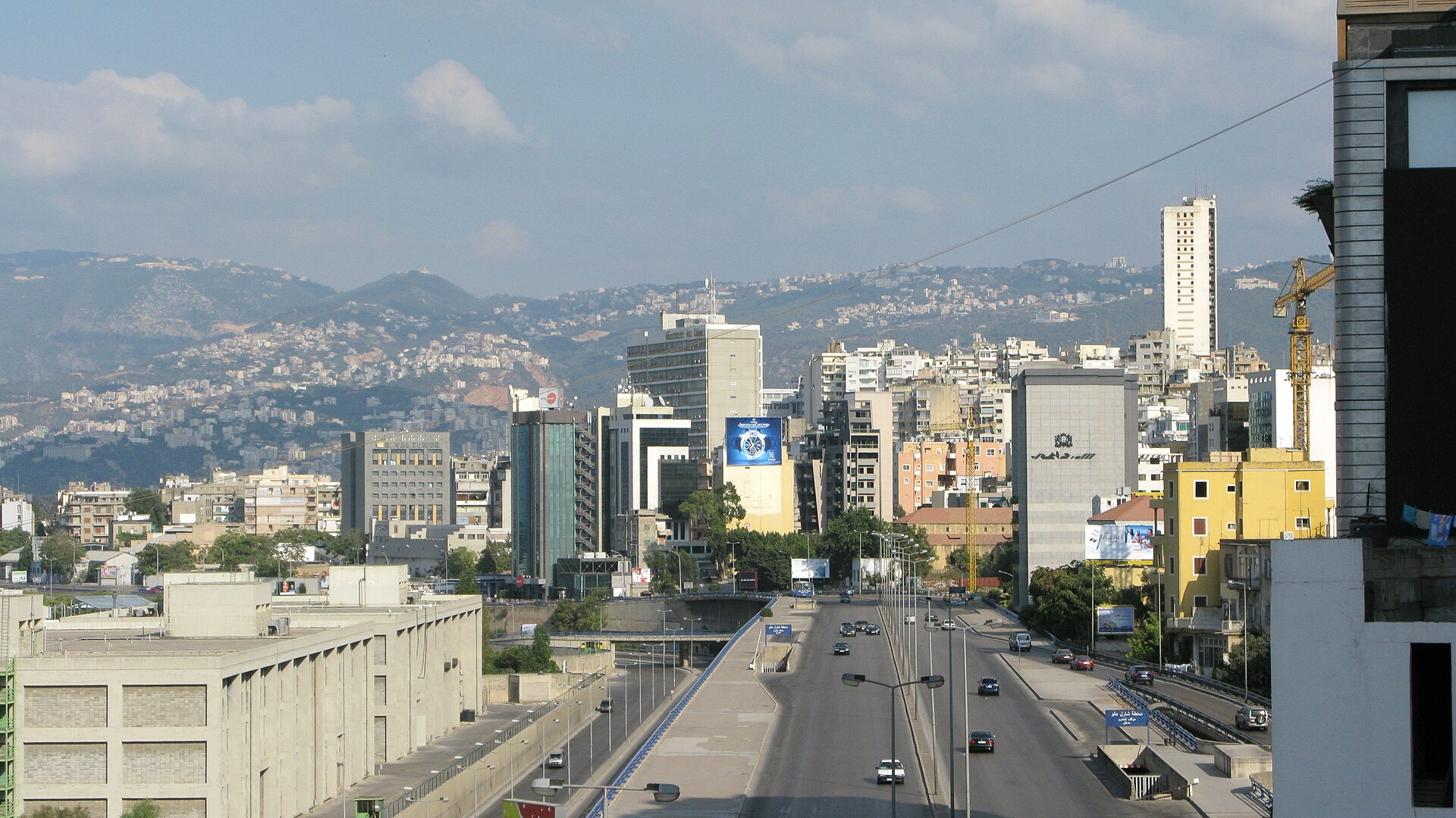

Beirut. The name alone evokes images of resilience, history, and an undeniable zest for life. This Mediterranean city is a place where past and present embrace, where ancient ruins stand beside modern architecture, and where every street tells a story. It's a city that invites you to dig deep, to discover the many layers that form its unique character. From its shimmering coastline to its historic squares, Beirut is a destination that touches your soul and stimulates your senses. Let's dive together into the heart of this fascinating metropolis.
Echoes of Ancient Berytus
Beirut's history is as deep as the Mediterranean Sea itself, and the city proudly bears the marks of thousands of years of human habitation. Your journey through time begins at the Musée de la Préhistoire Libanaise, part of Saint-Joseph University. Here, you'll discover a treasure trove of archaeological finds, from stone tools to early human remains, telling the story of the very first inhabitants of this land. It's a window into prehistory, hidden in the heart of the city.
Walk further and you'll literally step back into Roman times. Amidst the modern city lie the remains of the Berytus Cardo & Decumanus Maximus, the main streets of a flourishing Roman colony. Imagine merchants, soldiers, and citizens walking these marble paths two thousand years ago. Nearby, you'll find the Roman Baths of Beirut, a bustling social center where Roman citizens came to bathe, exercise, and socialize. The ingenious hypocaust pillars that heated the floor bear witness to the luxury and engineering of ancient Rome.
Beirut's layered history is perhaps best expressed in the Al-Omari Grand Mosque. Originally built as a Crusader church in the 12th century, it was later transformed into a mosque. Its robust stone walls and elegant minaret tell the story of its diverse past, a living monument to Beirut's rich heritage.
The Beating Heart of the City
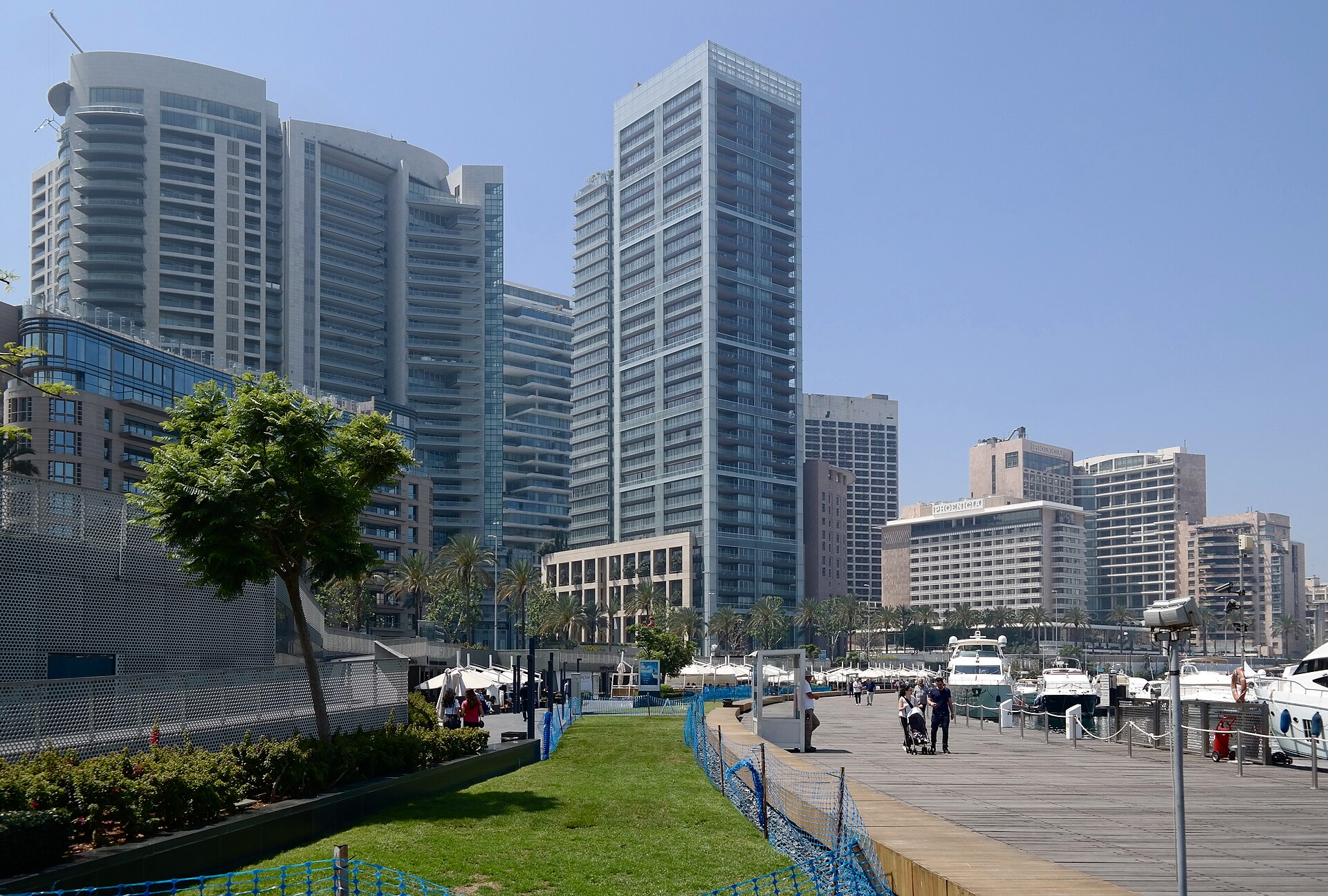
From deep history, we move to the vibrant present, where Beirut's modern pulse is palpable. Start at Zaitunay Bay, a place where the Mediterranean Sea and the city meet. Glistening yachts are moored here, and the lively promenade invites relaxation, with views of Beirut's skyline. It's a place that showcases the city's modern, cosmopolitan side.
Downtown Beirut is dominated by the beautiful Place de l'Étoile, the city's beating heart. This square, with its iconic clock tower, is a masterpiece of French Mandate architecture. It's where Lebanese politics converge and where daily life bustles, surrounded by elegant buildings.
Nearby, the magnificent blue domes and four slender minarets of the Mohammad Al Amin Mosque rise. This relatively modern structure, deeply rooted in Ottoman architectural tradition, is one of Beirut's most striking landmarks. Its grandeur and serene atmosphere are impressive. Another modern symbol of the city is the 'I love Beirut' installation. This artwork, with its vibrant red letters, is a powerful declaration of resilience and love for the city, a place where people gather to show their affection for Beirut.
Culture, Memory, and Hope
Beirut is a city that not only lives in the present but also constantly reflects on its past and builds for its future. Martyrs' Square is a place steeped in history and emotion. This square is the heart of Beirut and a powerful symbol of the Lebanese struggle for independence and freedom. The monument, with its bullet and shrapnel holes, tells a silent story of resilience and invites reflection on the soul of a nation.
The scars of history are also visible in Beit Beirut, the 'Yellow House'. This architectural jewel, with its distinctive yellow stone and ornate balconies, once bore witness to the front line during the civil war. Now a museum and cultural center, it is a powerful symbol of memory and resilience, laying bare the soul of Beirut.
In a quiet corner of the city stands the statue of Gibran Kahlil Gibran, the legendary Lebanese poet, philosopher, and artist. His words have inspired generations, and his most famous work, 'The Prophet', has been translated into over 100 languages. His serene expression invites reflection and inspiration.
The gaze towards the future is clearly visible in the development of the Beirut Museum of Art (BeMA). Although still under development, this location symbolizes Beirut's ambition to be a cultural beacon. It will house thousands of artworks, from the earliest times to the present, and will be a future window into the rich creativity of the country.
This city walk through Beirut offers a fascinating glimpse into the diverse facets of this unique metropolis. From deep prehistory to modern art, each stop reveals a new piece of Beirut's complex and captivating identity. This article is just a selection of the many stories the city has to offer; the full walk through Beirut in the CityWalkGems app contains even more stops, riddles, and hidden details waiting to be discovered. Let yourself be carried away by the indestructible spirit of Beirut and experience the magic of this city for yourself.