
Also known as: Berlijn, Berlín, Berlim
Berlin is not just a city you visit; you experience it. It's a place where history and modernity embrace, where the scars of the past are visible alongside the dynamism of a bustling metropolis. From the grandeur of iconic monuments to the silent witnesses of profound events, Berlin tells a captivating story. Let's explore together some of the most striking places this unique city has to offer.
The Political Heart and Symbols of Freedom
Our exploration begins at the Reichstag, Germany's impressive parliament building. Atop it sits the glass dome, housing the Bundestag and symbolizing transparency. The facade bears the inscription "DEM DEUTSCHEN VOLKE" (To the German People), a powerful message reflecting the essence of German democracy. It's a place where you immediately feel the pulse of the nation.
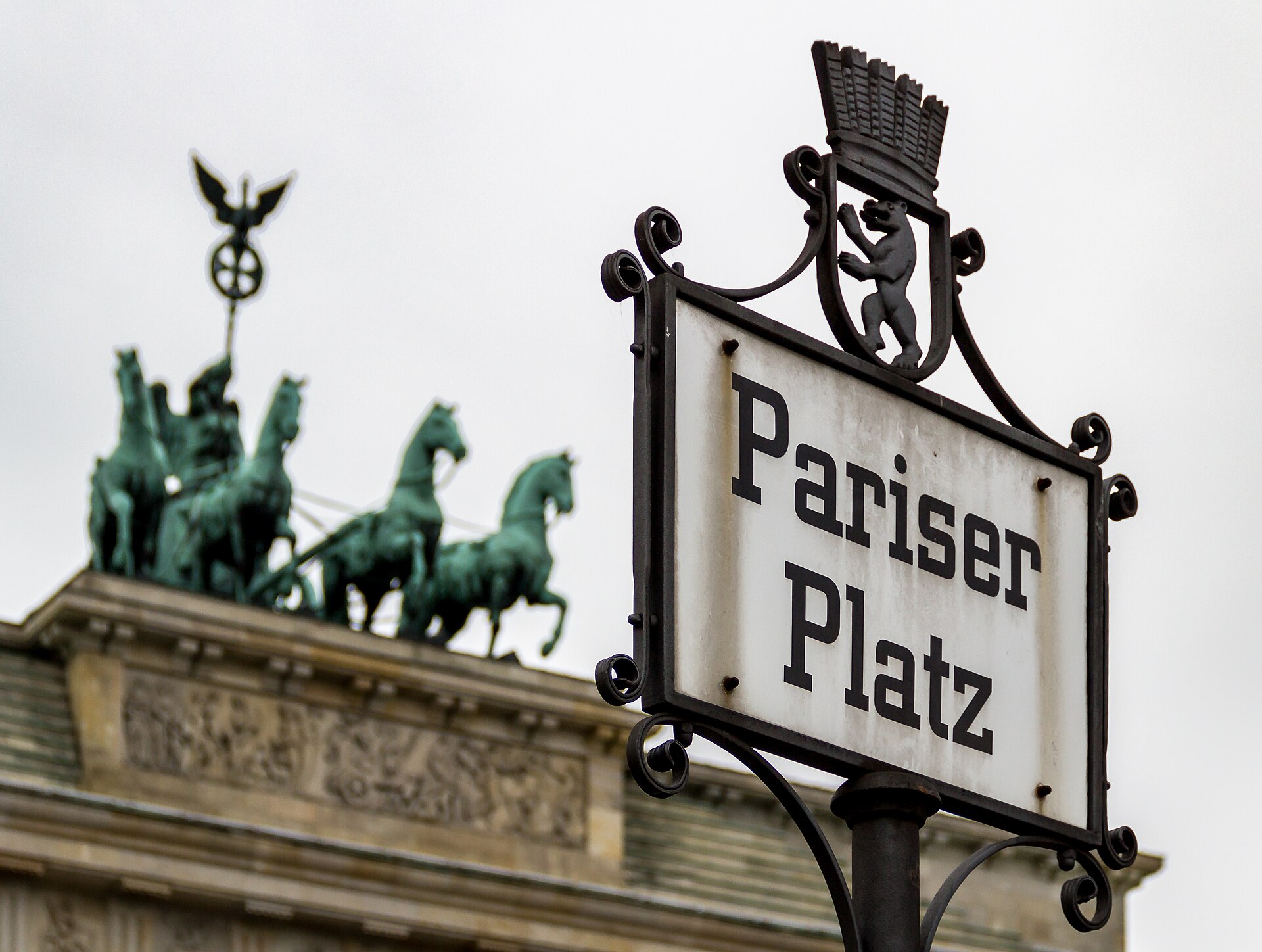
Not far from there stands the Brandenburger Tor (Brandenburg Gate), the recognizable symbol of Berlin and a powerful sign of the reunited city. The iconic Quadriga atop the gate makes this spot instantly recognizable, even from a distance. In the evening light, the gate gains an extra dimension, where architecture and history converge in a special way.
The Heavy Legacy: Remembering and Understanding
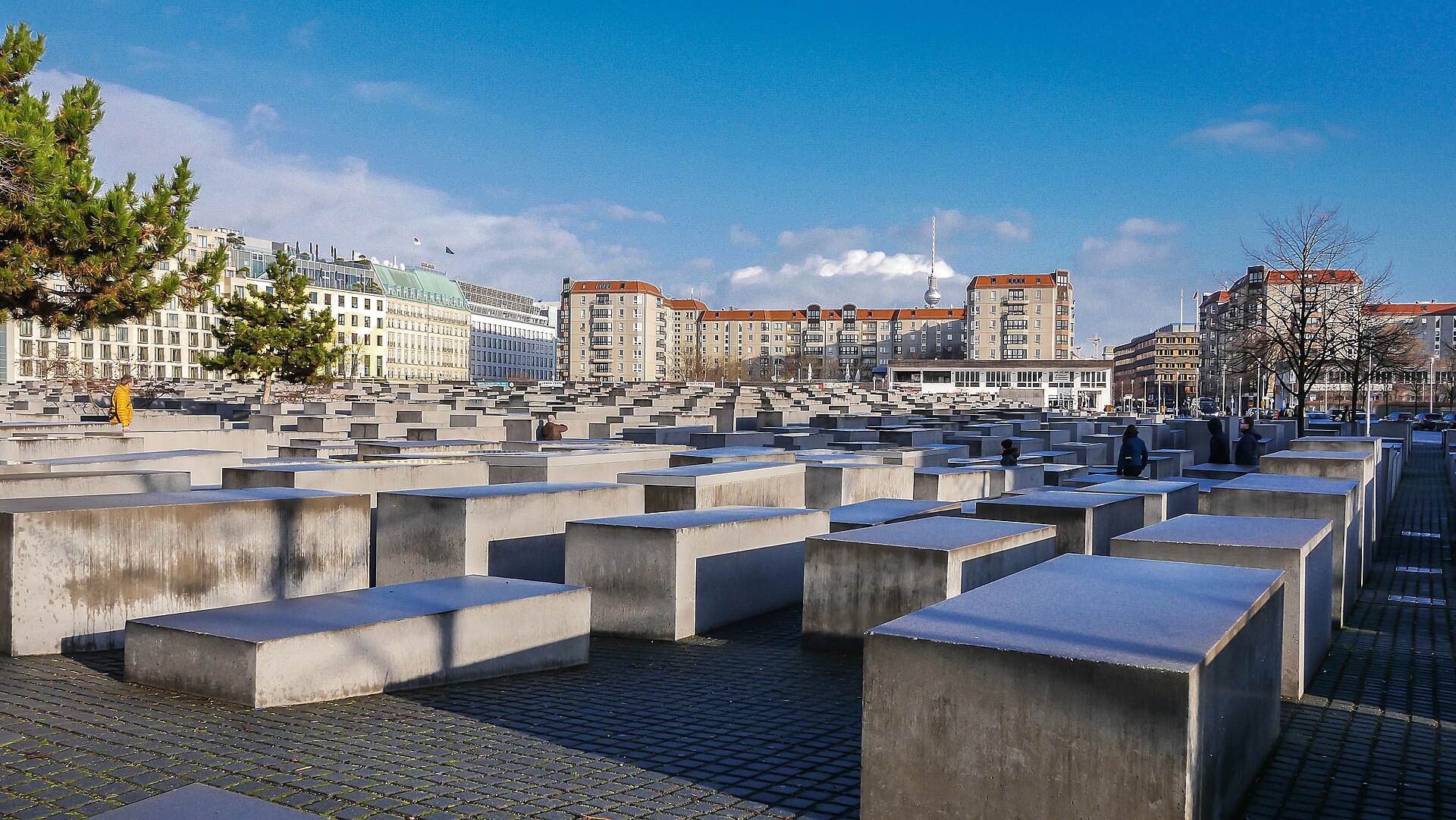
Berlin does not shy away from its past but confronts it with respect and dignity. The Holocaust Memorial (Holocaust-Mahnmal), Germany's central monument to the murdered Jews of Europe, is a poignant example of this. It consists of 2,711 concrete stelae forming a silent, disorienting field. The power of this place lies in its silence, scale, and invitation to reflection. It is a place that makes one ponder.
The history of World War II is also palpable at the location of the Führerbunker. At street level, there is almost nothing to see; only an information board marks the spot where Hitler's last bunker complex lay beneath the current residential and parking area. It is precisely the absence of a grand monument that makes this place meaningful, serving as a silent reminder of a dark period.
The Cold War and the division of the city come to life at the Erna-Berger-Straße Watchtower (Wachturm Erna-Berger-Straße). Amidst modern buildings stands this rare remnant of the Berlin Wall: a narrow concrete watchtower. It serves as a reminder that the former border strip was constantly guarded, a tangible relic of a divided city.
A heavy, but essential stop is the Topography of Terror (Topographie des Terrors). This site is located on the grounds of former Gestapo, SS, and Reich Security Main Office buildings. Cellar remnants, documentation, and a preserved section of the Berlin Wall make this an archival point that informs, soberly and without sensationalism.
Checkpoint Charlie, the most famous Allied border crossing of the Cold War, is now a busy and touristy spot, but remains instantly recognizable. The guardhouse, barrier, and sandbags are reconstructions that refer to the historical site where tensions between East and West were once palpable.
Bebelplatz is elegant and heavy at the same time. Beneath a glass plate lies Micha Ullman's book burning memorial: empty white bookshelves commemorate the books burned here by Nazis in 1933. The emptiness here speaks volumes.
The Neue Wache, a modest neoclassical building by Schinkel, has served since 1993 as Germany's central memorial for victims of war and tyranny. Beneath the open oculus stands Käthe Kollwitz's sculpture of a mother with her dead son, an image touched by wind and weather, emphasizing the fragility of life.
Culture, Architecture, and Lively Corners
After the heavy history, the Gendarmenmarkt offers lightness and grandeur. This square is defined by three icons: the Französischer Dom (French Cathedral), the Deutscher Dom (German Cathedral), and the Konzerthaus (Concert House). It is one of Berlin's most beautiful squares, where architecture and culture converge.
The Berliner Dom (Berlin Cathedral) dominates the edge of Museum Island with its enormous dome, rich interior, and a view from the ambulatory. Beneath the church lies the Hohenzollern Crypt, one of Germany's most important dynastic burial sites. From the dome, the river, museums, and the city uniquely converge.
On the same Museum Island, the Alte Nationalgalerie (Old National Gallery) rises like a temple to art. Its collection primarily focuses on 19th-century painting and sculpture, and the exterior of the building already feels like a classical stage in itself.
Finally, we delve into the Hackesche Höfe, a bustling labyrinth of interconnected courtyards full of art, boutiques, cinema, and cafes. The first courtyard catches the eye with colorful Art Nouveau (Jugendstil) facades and glazed tiles, a vibrant place where Berlin's creativity comes to life.
This article offers just a glimpse of the many fascinating places Berlin has to offer. The city holds countless other stories, hidden details, and surprising corners waiting to be discovered. Do you want to delve deeper into the layers of this special city and experience the full walk? Then choose the Berlin walk in the CityWalkGems app and let yourself be taken on an unforgettable journey.
- 11 stops
- Reichstag start
- ~4,4 km route length
- ~821 m longest stretch
- about 1,5–2,5 h duration
- Paid

