
Also known as: Ciudad Autónoma de Buenos Aires
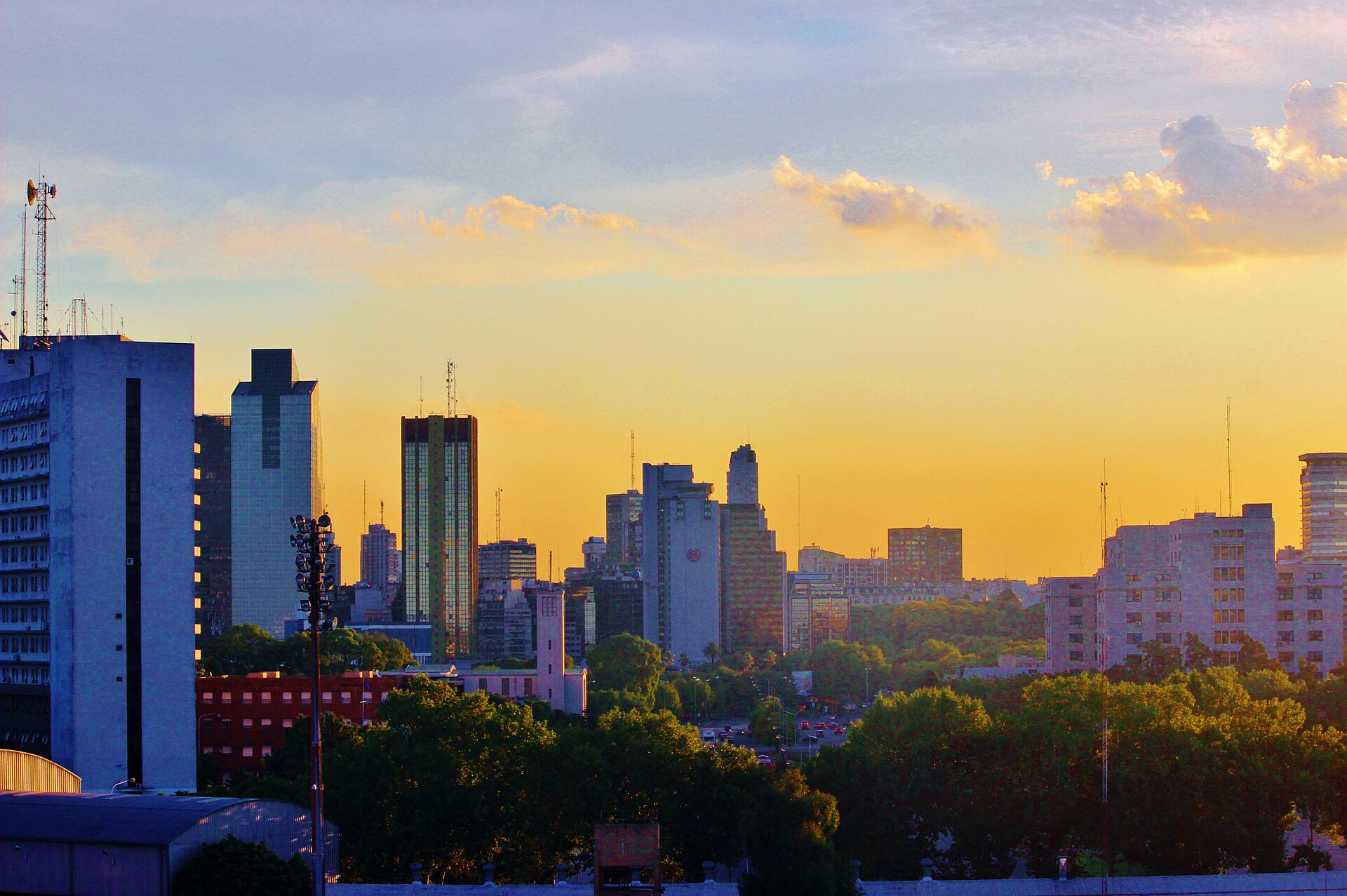
Buenos Aires is a city that invites you to get lost, to discover a new story around every corner. It's a metropolis with an unmistakable European temperament, blended with the fiery soul of Latin America. From stately buildings that whisper of bygone grandeur to hidden passages where time seems to stand still, this city is an open book for those willing to look. Put on your walking shoes and let yourself be carried away through the streets of the 'Paris of South America,' where every step is a discovery and the city's energy embraces you.
Grandeur in Stone and Steel
Our exploration begins in the elegant Retiro district, where the Torre Monumental proudly stands tall. This British brick tower, with its green crown and the rhythm of an old clock, is a visual focal point in a park where the harbor wind, railway lines, and the Belle Époque facades of the surroundings converge. It's an elegant starting point and a perfect introduction to the city's architectural diversity.
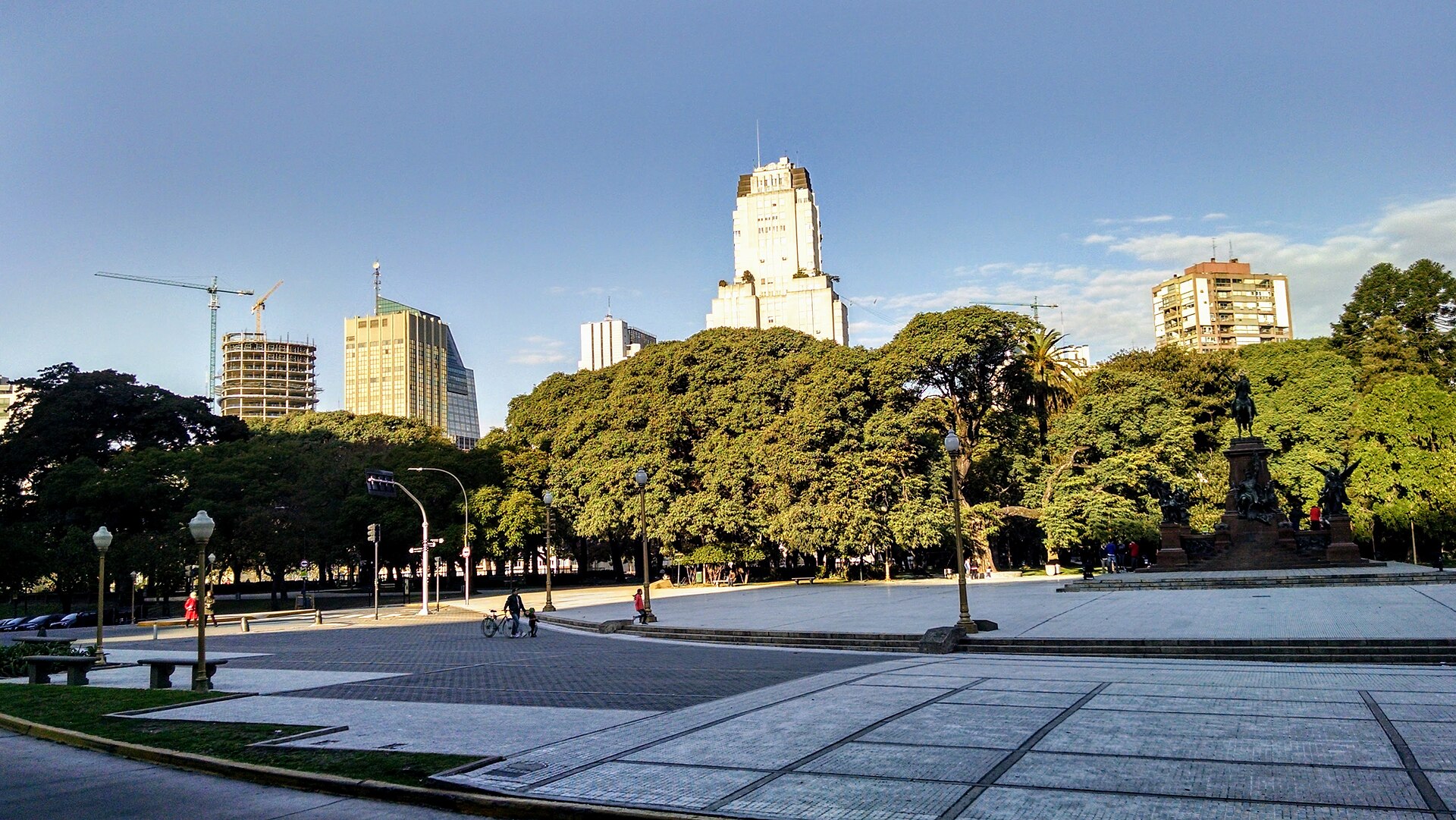
Nearby, on the edge of the expansive Plaza San Martín, rises the Edificio Kavanagh. This building is a sharp vertical surprise, with its rational lines and Art Deco silhouette. It's an architectural statement that helps define Buenos Aires' skyline and carries a famous urban legend. Opposite this modern icon lies the Palacio Paz, a building that seems to transport you directly to Paris. Its impressive Beaux-Arts facade, refined wrought-iron details, and military grandeur give Plaza San Martín a cinematic depth, a tangible reminder of the European influences so characteristic of the city.
Further into the city, on the wide Avenida 9 de Julio, stands an unmistakable symbol: the Obelisco. This sharp white monument feels like a vertical cursor in the cityscape and encapsulates Buenos Aires in one powerful sign. It marks an important point of remembrance around the Argentine flag and is a central hub of the city, surrounded by the bustling life of the widest avenue in the world.
Another architectural wonder that sparks the imagination is the Palacio Barolo. This skyscraper reads like a secret book, with its layers inspired by Dante's Divine Comedy. From the dark base symbolizing Hell, through Purgatory in the middle, to the light at the top representing Heaven, the building forms a recognizable structure that speaks in every language. It's a unique piece of architecture that invites you to decipher its deeper symbolism.
The Rhythm of Culture
Buenos Aires is a city that breathes to the rhythm of art and culture. This quickly becomes clear in the Galerías Pacífico. What first appears to be a luxurious shopping mall opens above you with a dome full of impressive Argentine murals. The combination of luxury shops, abundant light, and artistic frescoes transforms the hall into a theatrical inner world in the heart of the city, a place where commerce and culture converge.
From here, it's a short walk to the theater axis of Avenida Corrientes, where the Teatro Gran Rex stands. The broad modern facade of this theater feels like a screen onto which Buenos Aires projects its cultural energy. It's a bright, urban stop that forms the transition to the classic Teatro Colón, one of the most prestigious opera houses in the world.
The Teatro Colón is the acoustic crown of Buenos Aires. Behind its stately facade lie opulent marble, fine gilding, rich velvet, and an auditorium admired by music lovers worldwide. It's a place where the world's greatest artists have performed and where the magic of opera and ballet comes to life in an environment of unparalleled splendor.
The city's literary soul can be found on Avenida de Mayo, where Hotel Castelar stands. Federico García Lorca stayed here during his famous Buenos Aires period, making the building still seem to listen to poetry and theater. It's a quiet transition to the bustling atmosphere of the iconic Café Tortoni.
Café Tortoni is a true time capsule of marble, wood, and literary echoes. Since the nineteenth century, conversations, coffee, tango, and Porteño imagination have converged here. It's a place where the city's history is palpable, where you can imagine how famous writers and artists found their inspiration, and where the soul of Buenos Aires still lingers.
Hidden Stories and Passages
Besides the grand gestures and bustling cultural centers, Buenos Aires also harbors intimate, hidden gems waiting to be discovered. One such is the Pasaje Tres Sargentos, a small, photogenic passage that feels like a welcome break in the business district. With its characteristic facades, inviting cafes, and fine details, it's a place you might easily walk past, but one worth pausing at to soak up the atmosphere.
The route ends with another elegant hidden passage on Avenida de Mayo: the Pasaje Roverano. Stained glass, curved display cases, and detailed bronze work give the passage a soft, time-traveling ambiance. Its direct connection to the Subte makes it a typical Buenos Aires experience, where modern public transport seamlessly blends with historical charm and architectural beauty.
This walk through Buenos Aires offers a fascinating glimpse into the city's architectural splendor, rich culture, and hidden treasures. From the grandeur of the Teatro Colón to the intimate atmosphere of Café Tortoni and the hidden passages, each stop tells a part of the story of this unique metropolis. This article is just a taste of what you'll discover along the way; the full Buenos Aires walk with the CityWalkGems app contains many more surprises and details waiting to be unraveled. Let yourself be guided and experience Buenos Aires in a way you won't soon forget.
- 10 stops
- Torre Monumental start
- ~5,2 km route length
- ~838 m longest stretch
- about 1,5–2,5 h duration
- Paid

