
Also known as: Cartagena de Indias, Carthagène des Indes, Cartagena das Índias
The Impregnable Fortress: A Look at Cartagena's Defenses
Cartagena's history is inextricably linked to its defenses. The Fort San Felipe de Barajas is an impressive example of this. This masterpiece of military architecture, built with robust coral stone, was a fortress that protected Cartagena for centuries. Its ingenious tunnels and strategic location made it virtually impossible for invaders to penetrate. The fort tells the story of pirates and heroic defenders who guarded the city.
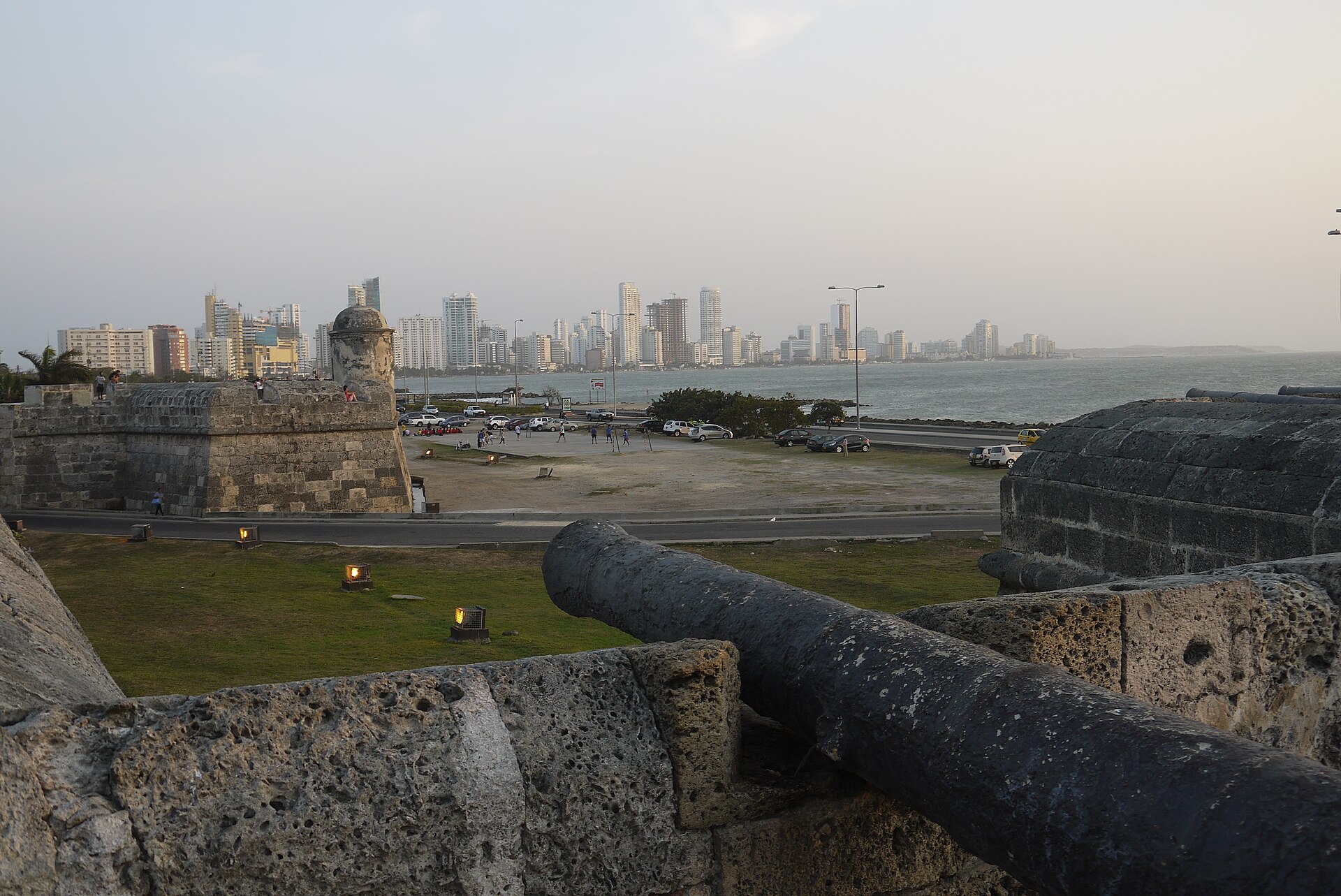
The defensive works extend further along the coast. The majestic city walls, the 'Muralla de Cartagena', are a symbol of resilience and beauty. From this specific part of the walls near El Tejadillo, the city stretches out, and you can feel the Caribbean Sea breeze. The walls offered protection against pirates and invaders and now provide panoramic views of the Caribbean Sea and the colorful rooftops of the old city.
Another place that commemorates the struggle for freedom is the Camellón de los Mártires. This place honors the nine heroes who gave their lives for Cartagena's independence, executed by Spanish troops. The statues and serene atmosphere invite reflection on courage and sacrifice.
Play Cartagena right in your browser →
The Beating Heart: Plazas and Colonial Splendor
Cartagena's Centro Histórico, a UNESCO World Heritage site, is a labyrinth of vibrant colors, ornate balconies, and wooden doors. Here you'll find the city's most iconic plazas, each with its own story and atmosphere.
The Plaza de los Coches, directly behind the iconic Puerta del Reloj, is the historic gateway to the walled city. This spot, once a slave market, is now famous for its 'Portal de los Dulces' where you'll find local delicacies. Colorful horse-drawn carriages await here to take you on a journey through the city, a place full of contrasts and vivid history.
Further on lies the Plaza de Bolívar, the city's beating heart. This plaza is surrounded by architectural jewels such as the cathedral and the Palace of the Inquisition. Here, history and daily life converge, with pigeons fluttering around the statue of Simón Bolívar, the Great Liberator.
The Plaza de la Aduana is Cartagena's most grandiose plaza. Here stands the imposing Customs House, an example of colonial architecture that once served as the center of Spanish administration. The statue of Christopher Columbus overlooks this historic scene, reflecting the wealth and power of colonial Cartagena.
Getsemaní: Where Art and History Converge
Beyond the historic walls lies Getsemaní, a neighborhood brimming with energy and color. Once a humble working-class district, it is now a vibrant epicenter of art, music, and gastronomy. The walls are living canvases for street art, and every corner tells a story. Here you feel the pulse of contemporary Cartagena, where history and modern art meet.
Within Getsemaní, you can lose yourself in the charm of Calle de La Sierpe, one of the most picturesque and narrow streets. With colorful facades and balconies almost touching, it's a place to soak up the authentic atmosphere and notice the small details that make each house unique.
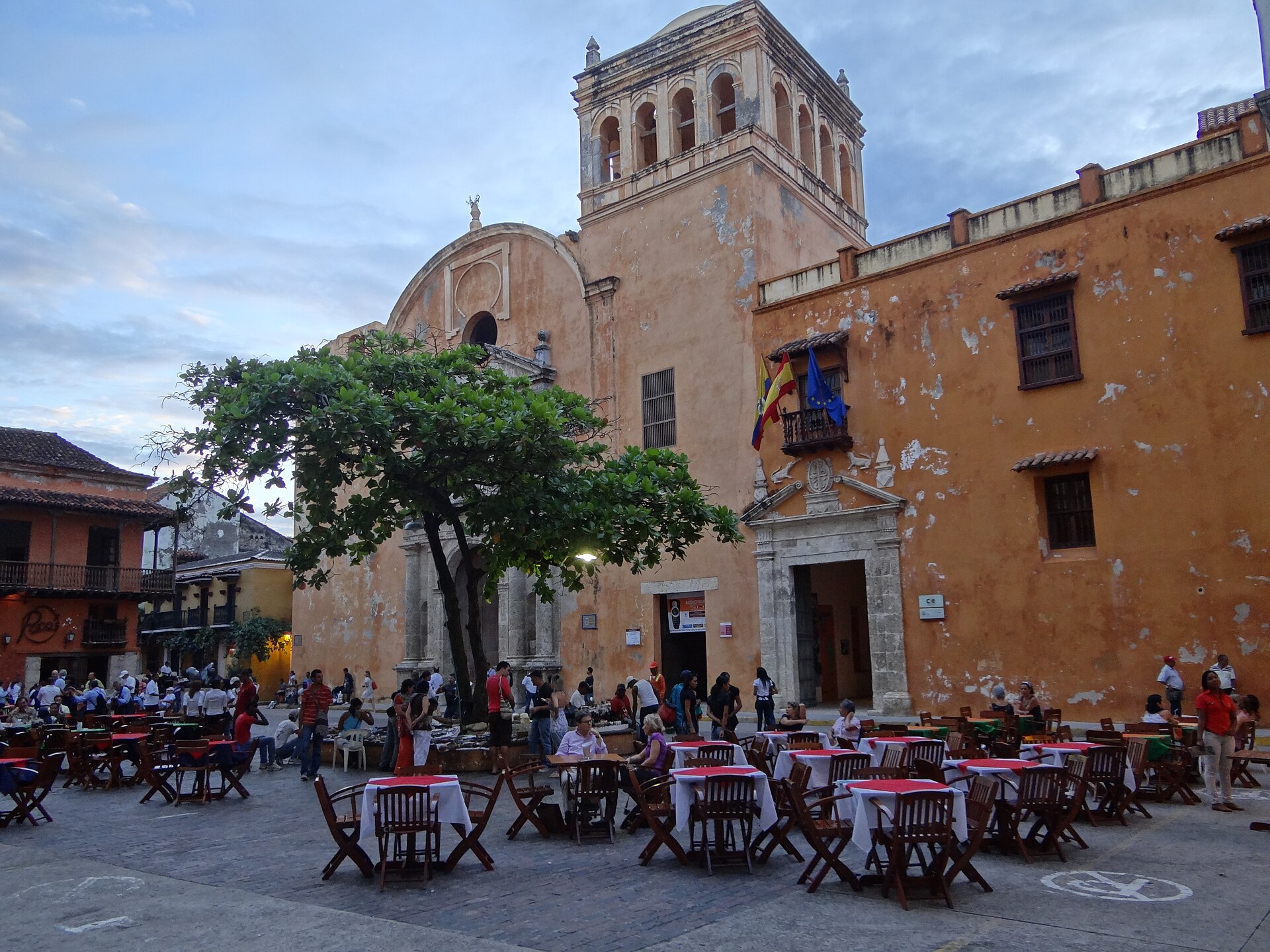
The Plaza de Santo Domingo is one of Cartagena's most beloved plazas. Here, life dances around Fernando Botero's iconic 'Gorda' sculpture, a symbol of beauty and abundance. The imposing Santo Domingo Church overlooks the lively terraces, a perfect blend of art, history, and Caribbean flair.
Finally, the Monumento India Catalina, a statue embodying the spirit of Colombia's indigenous peoples. India Catalina was a key figure in Cartagena's early history, a bridge between two worlds. Her story of resilience and adaptation is deeply intertwined with the founding of this city, a tribute to a woman who influenced the course of history.
- 11 stops
- Start anywhere
- ~3,3 km route length
- ~736 m longest stretch
- about 1,5–2 h duration
- Paid

