
Also known as: Catane, Catânia
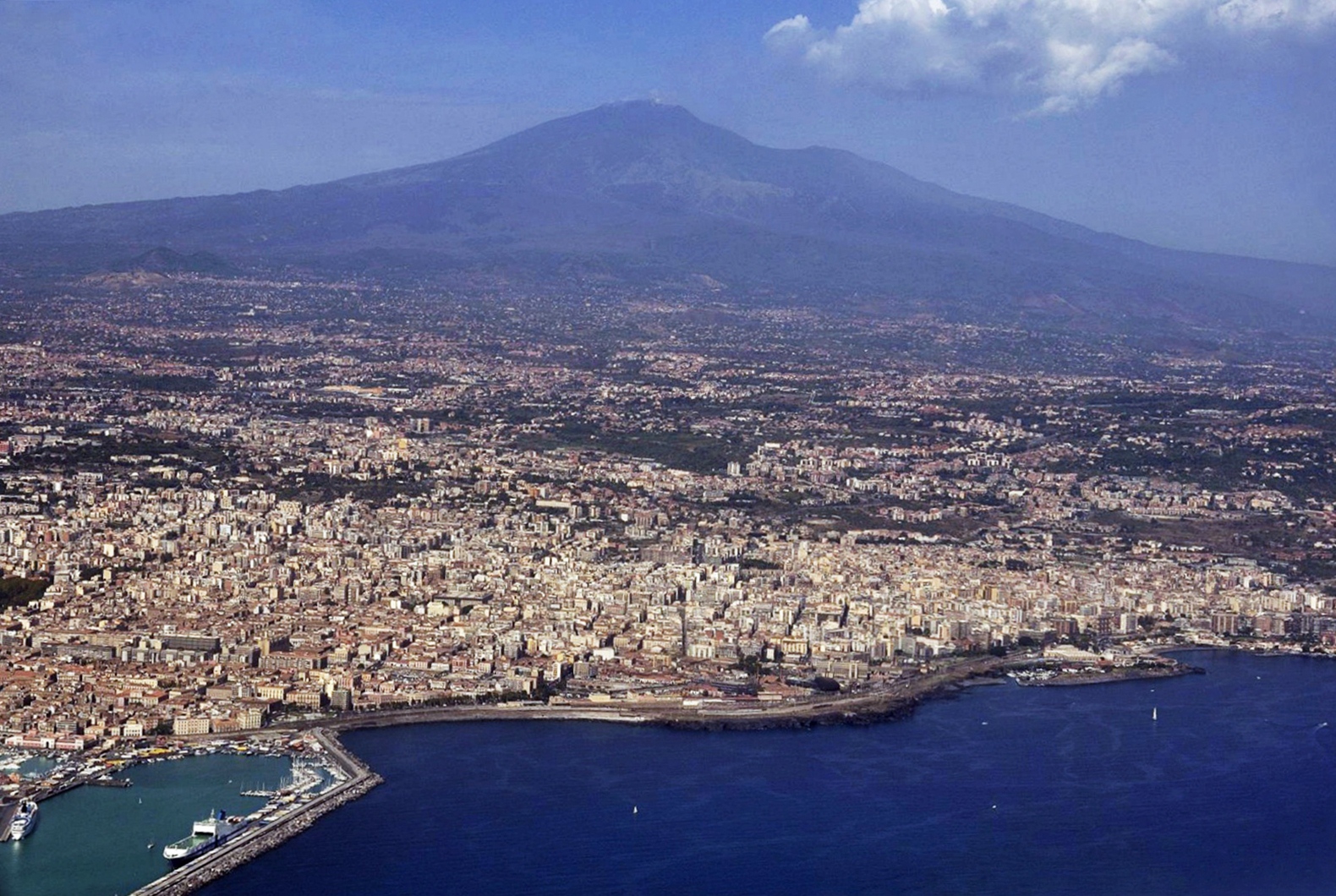
Catania, located on the eastern coast of Sicily, is a city that immediately captivates you. Under the watchful eye of Mount Etna, Europe's most active volcano, this city has developed a unique resilience and an undeniable charm. It's a place where history literally lies beneath your feet, where Baroque splendor and Roman ruins seamlessly merge with vibrant daily life. Catania is not a city that easily reveals its secrets; it invites you to wander, discover, and be surprised by its layered past and lively present.
The Beating Heart: Piazza del Duomo and Its Stories
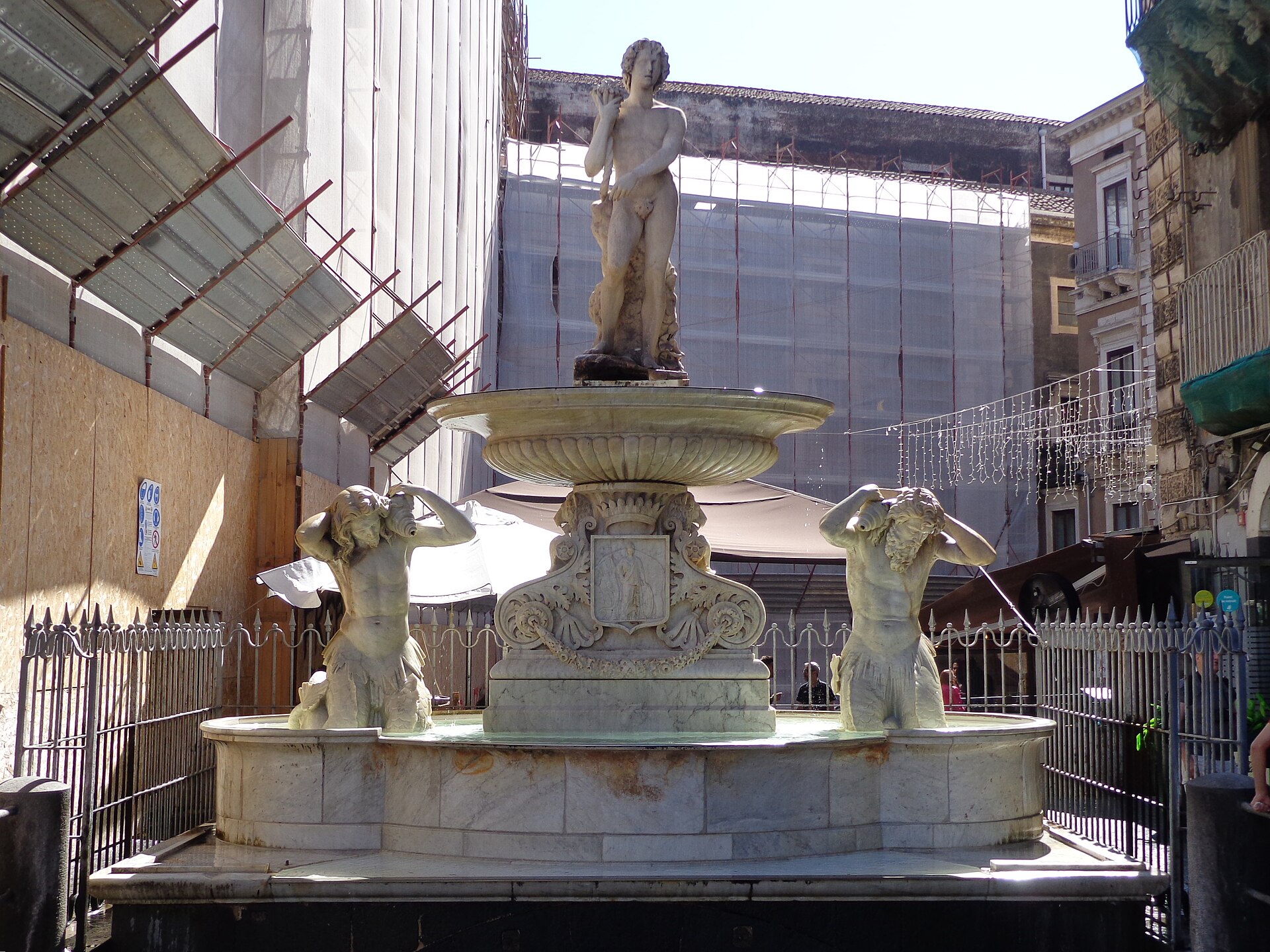
Every exploration of Catania naturally begins in Piazza del Duomo, the central square that embodies the soul of the city. Here stands the Fontana dell'Elefante, with the majestic elephant 'u Liotru' proudly gracing the square for centuries. This elephant is the symbol of Catania, and legend has it that it protects the city from Etna's eruptions. Nearby, amidst the lively fish market, you'll find the Fontana dell’Amenano. This fountain is a tribute to the river of the same name that flows beneath Catania and, remarkably, briefly emerges above ground here, like a breath from the city itself.
The Basilica Cattedrale di Sant'Agata towers over the square like a fortress, a powerful symbol of Catania's resilience after countless earthquakes and lava flows. Inside is the chapel of Saint Agatha, Catania's patron saint, where her relics are preserved with great devotion. A little further on stands the Porta Uzeda, one of the few city gates that survived the devastating earthquake of 1693. This gate, named after the Duchess of Uzeda, opened to the harbor and once served as the main access to the city from the sea, a silent witness to centuries of trade and travel.
Echoes of the Old Empire: Roman and Greek Treasures
Catania is a city built on layers of the past, and nowhere is this clearer than in the remains of its ancient civilizations. Beneath the modern street level lies the hidden Roman Amphitheater of Catania. Once a bustling arena for gladiatorial fights and spectacles, it now offers a fascinating glimpse into the city's deep history. The black lava stone used for its construction constantly reminds us of Etna's proximity. This amphitheater partially emerges above ground in the lively Piazza Stesicoro, a crossroads of old and new, where impressive ruins lie below street level and a bustling market takes place above. The statue of the famous composer Vincenzo Bellini watches over it all.
Further on, hidden among Catania's houses, lies another ancient treasure: the Teatro Antico greco-romano di Catania. Imagine thousands of spectators once sitting here, enjoying tragedies and comedies, a powerful reminder of the rich cultural layers of this city. Right next to this grand theater is the Roman Odeon, a smaller, more intimate venue used for musical performances and poetry readings. The remains of the seats and stage tell stories of bygone eras, a place full of echoes of creativity.
Baroque Splendor and Green Oases
After the earthquake of 1693, Catania was rebuilt in a lavish Baroque style, which gave the city its distinctive architecture. A beautiful example of this is the 'Quattro Canti', or the 4 Canti, one of the city's most iconic intersections. Here, four Baroque palaces converge, forming a spectacular open-air theater, each adorned with statues representing the seasons, the rivers of Sicily, and the city's patron saints. Another masterpiece of extravagance is the Palazzo Biscari, one of Catania's most spectacular Baroque palaces, also built after the 1693 earthquake. The Hall of Mirrors, the ballroom with its frescoes, and the Rococo details are simply enchanting.
The Monastero dei Benedettini di San Nicolò l'Arena is a colossal complex, one of the largest in Europe, rebuilt in lavish Baroque style after the 1693 earthquake. With its beautiful courtyards and monumental staircase, it is now home to the University of Catania, a place where history and knowledge converge. For a moment of peace and greenery, Villa Bellini, named after composer Vincenzo Bellini, offers a wonderful escape from the city bustle. This park is an oasis of tranquility and beauty, with exotic plants and views of Etna.
This walk through Catania is just a glimpse of the many stories the city has to offer. Around every corner hides a new detail, an unexpected discovery waiting to be revealed. The complete walk through Catania includes even more stops, riddles, and hidden details that will immerse you deeper into the soul of this fascinating city. Discover the complete route and all its secrets with the CityWalkGems app.
- 12 stops
- Start anywhere
- ~3,0 km route length
- ~555 m longest stretch
- about 1,5–2 h duration
- Free

