

This self-guided walking tour explores the heart of Charleston, South Carolina (Charleston, SC).
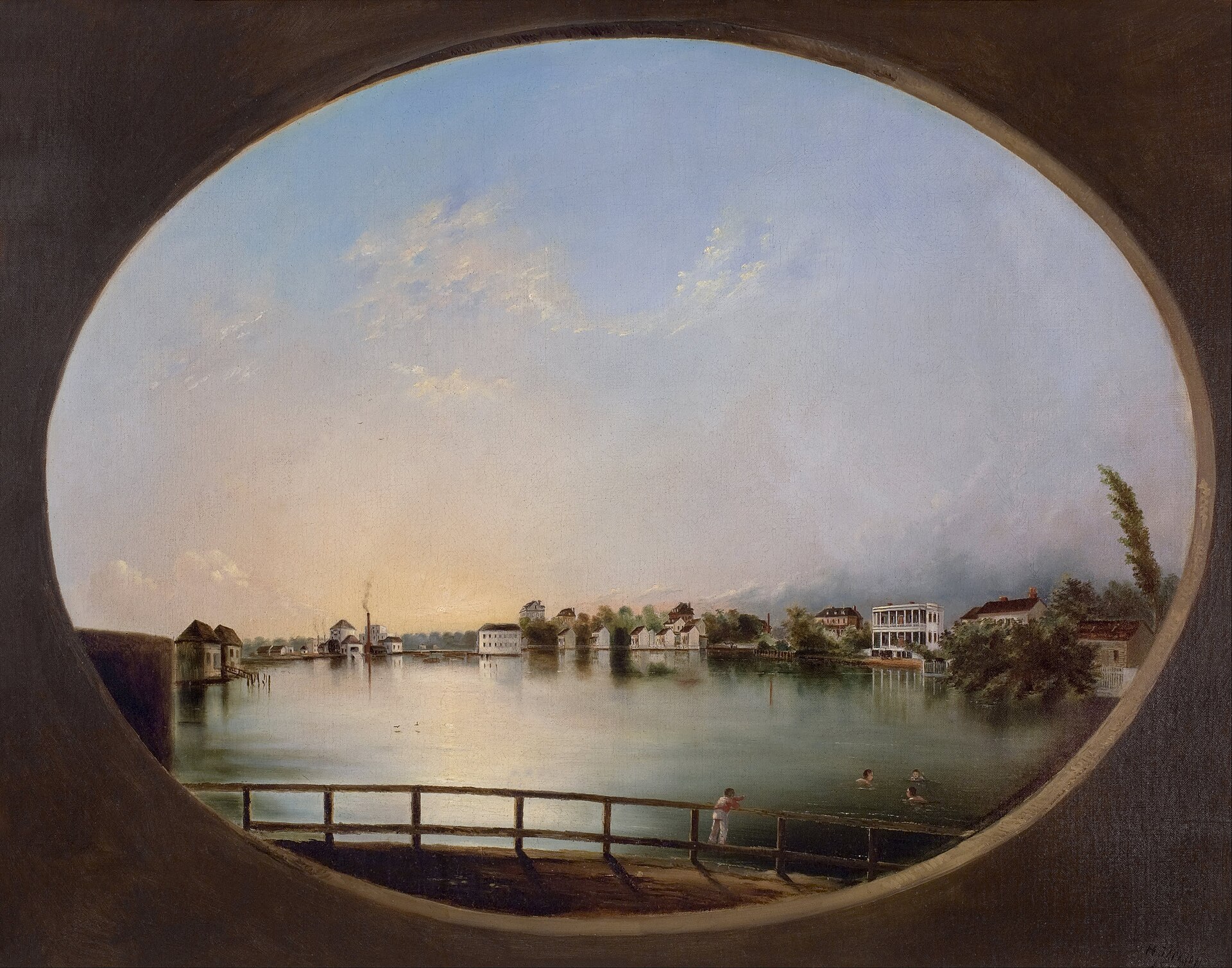
Also known as: Charleston, South Carolina, Charleston, SC
The Beating Heart of Commerce and Culture
Welcome to Charleston, a city where every cobblestone tells a story and Southern charm immediately embraces you. If you're wondering what to do in Charleston, exploring on foot is the best way to experience the soul of this historic city. Our journey begins in the bustling heart of the city: the Charleston City Market. For over two centuries, this has been the place where history and commerce converge. Here you'll see the beautiful, hand-woven sweetgrass baskets, an age-old tradition of the Gullah Geechee community, keeping the region's rich cultural heritage alive.
Right next to the market stands the majestic Market Hall, with its impressive Greek Revival architecture. Once the epicenter of trade, it now houses The Museum at Market Hall, which tells the rich history of the city and its markets. It's a beautiful example of how a building adapts to the times while retaining its original grandeur.
Not far from here, you'll find the Gibbes Museum of Art, a jewel of Beaux-Arts architecture. This building is not only a feast for the eyes from the outside but also houses a treasure trove of American art, with a special focus on the South. Inside, you can admire a Tiffany dome. A place where beauty and history converge.
Another architectural marvel is the Fireproof Building, which now houses the South Carolina Historical Society. This 19th-century building was one of the first in America specifically designed to withstand fire, a crucial innovation in a city so often ravaged by flames. It is a bastion of history and progressive architecture.
Along the Coastline: Reflection and Resilience
Our walk takes us to places of deep reflection and breathtaking views. One of the most poignant stops is the Old Slave Mart Museum. This is the only remaining building in South Carolina that was specifically used for the auction of enslaved people. It is a powerful reminder of a dark chapter in history, but also a place of education and reflection, compelling us to remember.
After this poignant experience, Waterfront Park offers an oasis of tranquility and beauty on the city's edge. Stroll along the promenade, enjoy the cooling breeze from the harbor, and admire the view of the Cooper River. It's the perfect place to escape the hustle and bustle and soak in Charleston's maritime atmosphere.
In the park stands the famous Pineapple Fountain. This sparkling artwork is not only beautiful to behold but also symbolizes Charleston's legendary hospitality. The pineapple was once a rare delicacy, a sign of prosperity and a warm welcome for guests.
One of the most photographed spots in Charleston is Rainbow Row. This series of pastel-colored houses along East Bay Street is a vibrant reminder of the reconstruction after a devastating fire in 1778. Once dilapidated warehouses, they are now a symbol of resilience and beauty, a cheerful explosion of color and history.
Further along the coastline lies The Battery, Charleston's iconic seawall and promenade. This is not just a beautiful spot with views of the harbor and Fort Sumter; it's a place steeped in history, where cannons once defended the city. The majestic oak trees and historic mansions along the boulevard tell tales of yesteryear. The wind through the palm trees and the water views are peaceful, but history is palpable here.
Directly adjacent, you'll find White Point Garden, a green oasis at the southern tip of the peninsula. Surrounded by majestic oak trees and overlooking the harbor, this park is a living museum. Here you'll find cannons and monuments that tell stories of Charleston's defense throughout the centuries. The combination of natural beauty and deep history is powerful here.
Architectural Masterpieces and Historical Anchors
Our exploration of Charleston also takes us to some of the most impressive architectural masterpieces and buildings with deep-rooted history. Step back in time at the Nathaniel Russell House Museum, an architectural masterpiece from 1808. This house, built in the elegant Federal style, is famous for its 'free-flying' spiral staircase that spans three floors without visible support. It was the home of a wealthy merchant and tells stories of life in early 19th-century Charleston, a glimpse of opulence and ingenious craftsmanship.
Finally, we arrive at the Old Exchange and Provost Dungeon, a building that has witnessed more history than most cities. From customs house and post office to prison and marketplace, this building has played countless roles in American history. It is a powerful reminder of the colonial era and the struggle for independence, a true historical anchor.
- 12 stops
- Start anywhere
- ~3,4 km route length
- ~539 m longest stretch
- about 1,5–2 h duration
- Free

.jpg)