
Imagine a place where history is so tangible you can almost touch it, where every cobblestone whispers a story and the grandeur of bygone eras seamlessly blends with today's vibrancy. Welcome to Cirencester, the heart of the Cotswolds. Once the second-largest town in Roman Britain, this fascinating destination takes you on a journey through millennia of human history, from gladiatorial contests to medieval wool trade and the elegance of Georgian estates. Lace up your walking shoes, for Cirencester awaits discovery.
From Corinium Dobunnorum to Cirencester: A Roman Legacy
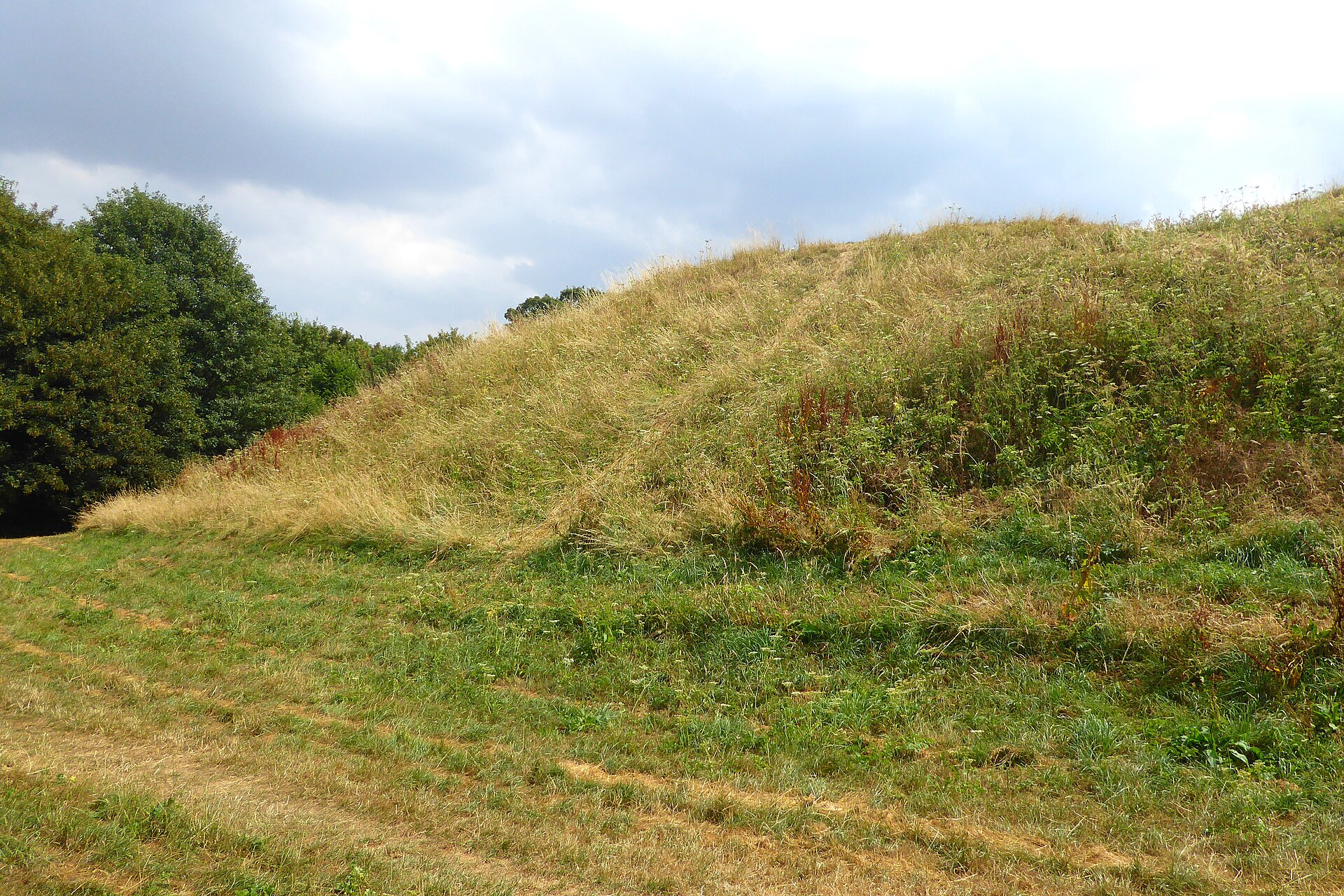
Our journey of discovery begins with Cirencester's deep roots, when it was known as Corinium Dobunnorum. Here, beneath grassy mounds, once lay one of Britain's largest Roman amphitheatres. This was a bustling centre where thousands of spectators gathered to witness gladiatorial fights and public spectacles. It's an impressive thought that so much history lies hidden just beneath the surface here.
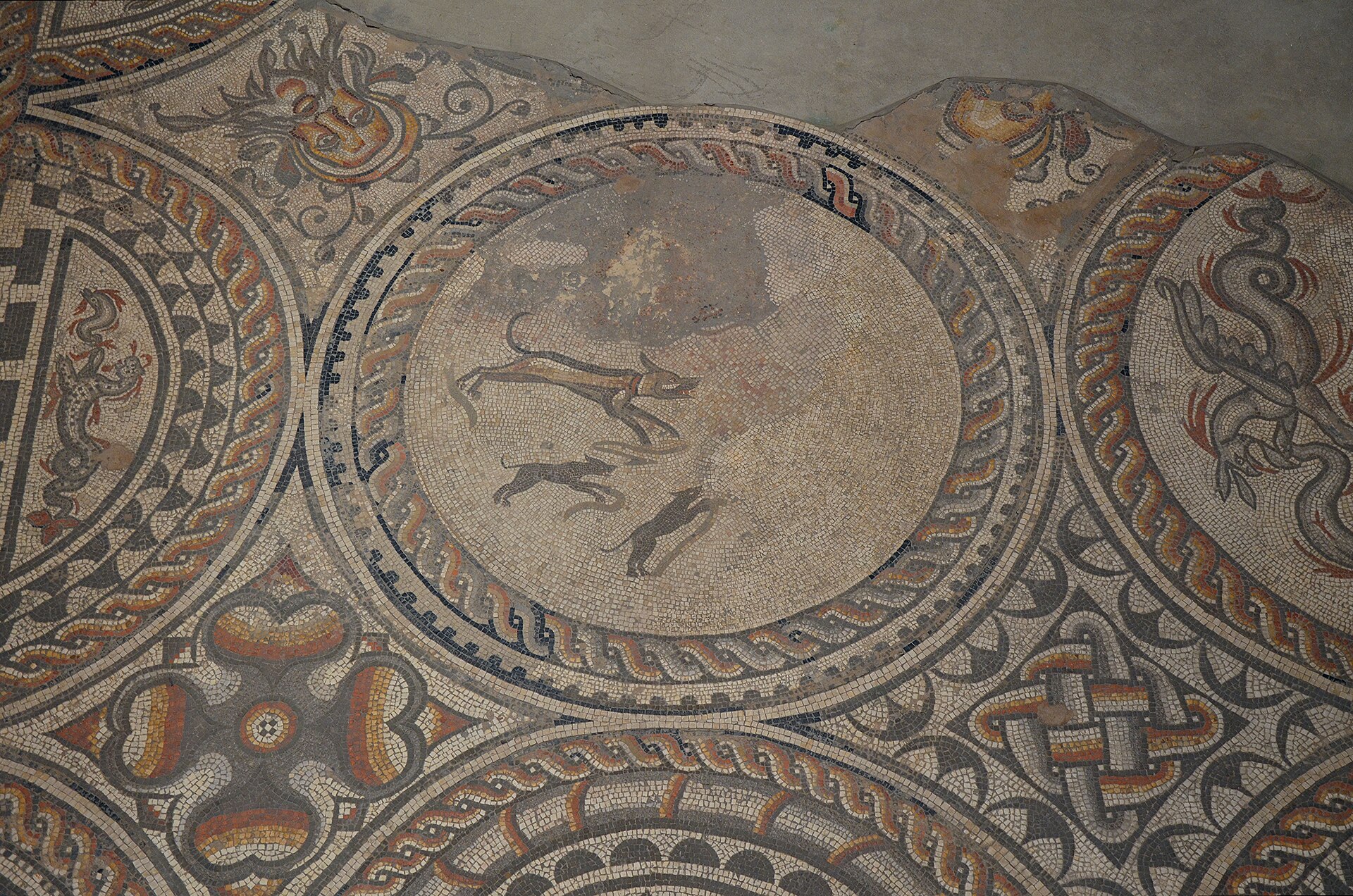
To truly see this Roman history come alive, a visit to the Corinium Museum is essential. This museum is a treasure trove showcasing Cirencester's incredible heritage as the second-largest town in Roman Britain. From intricate mosaics that adorned villa floors to everyday tools offering a glimpse into life back then, the museum vividly brings the ancient world to life. As you wander through the town, you'll also encounter a tangible piece of this period: a surviving section of Corinium Dobunnorum's defensive wall. Although much of the original fortifications have disappeared, this fragment serves as a reminder of the formidable ramparts that once surrounded the Roman city.
Wool, Monks, and Medieval Splendour
After the Roman era, Cirencester flourished again, this time thanks to the wool trade. The wealth generated by the Cotswold sheep is still visible in buildings like Weaver's Hall. This magnificent 15th-century building was once the beating heart of the town's thriving wool trade, a silent witness to a prosperous past.
The town also boasts a rich monastic past. The 12th-century Norman Gatehouse is a rare survivor and one of the few remaining structures of the once mighty Cirencester Abbey, which was dissolved by Henry VIII. Although the abbey itself has largely vanished, its spirit lives on in the peaceful Abbey Grounds Park. This serene oasis, with its ancient trees and tranquil lake, offers a perfect spot for reflection on the site where the abbey's grandeur once stood.
The pinnacle of Cirencester's medieval splendour is undoubtedly the Parish Church of St. John Baptist. Often called the 'Cathedral of the Cotswolds', this is a breathtaking example of a medieval wool church. Its towering Perpendicular Gothic tower and magnificent fan vaulting are stunning and bear witness to the wealth and craftsmanship of that period.
The Grandeur of the Bathurst Estate
Cirencester is also inextricably linked with the Bathurst family and their extensive estate. The impressive Cirencester Obelisk, erected in 1741 by the first Earl Bathurst, proudly marks the entrance to the Bathurst Estate. This striking piece of Georgian architecture dominates the landscape and is a testament to the family's enduring legacy.
The grandeur of the estate is further highlighted by the Cecily Hill Gates, the imposing entrance to Cirencester Park. This park is one of the finest examples of an 18th-century landscaped park in England. The expansive estate stretches for miles, offering beautiful vistas and ancient woodlands, a perfect place to experience English landscape architecture in all its glory.
- 10 stops
- Start anywhere
- ~3,7 km route length
- ~1007 m longest stretch
- about 1,5–2 h duration
- Free

