
Also known as: Freiburg im Üechtland, Friburgo
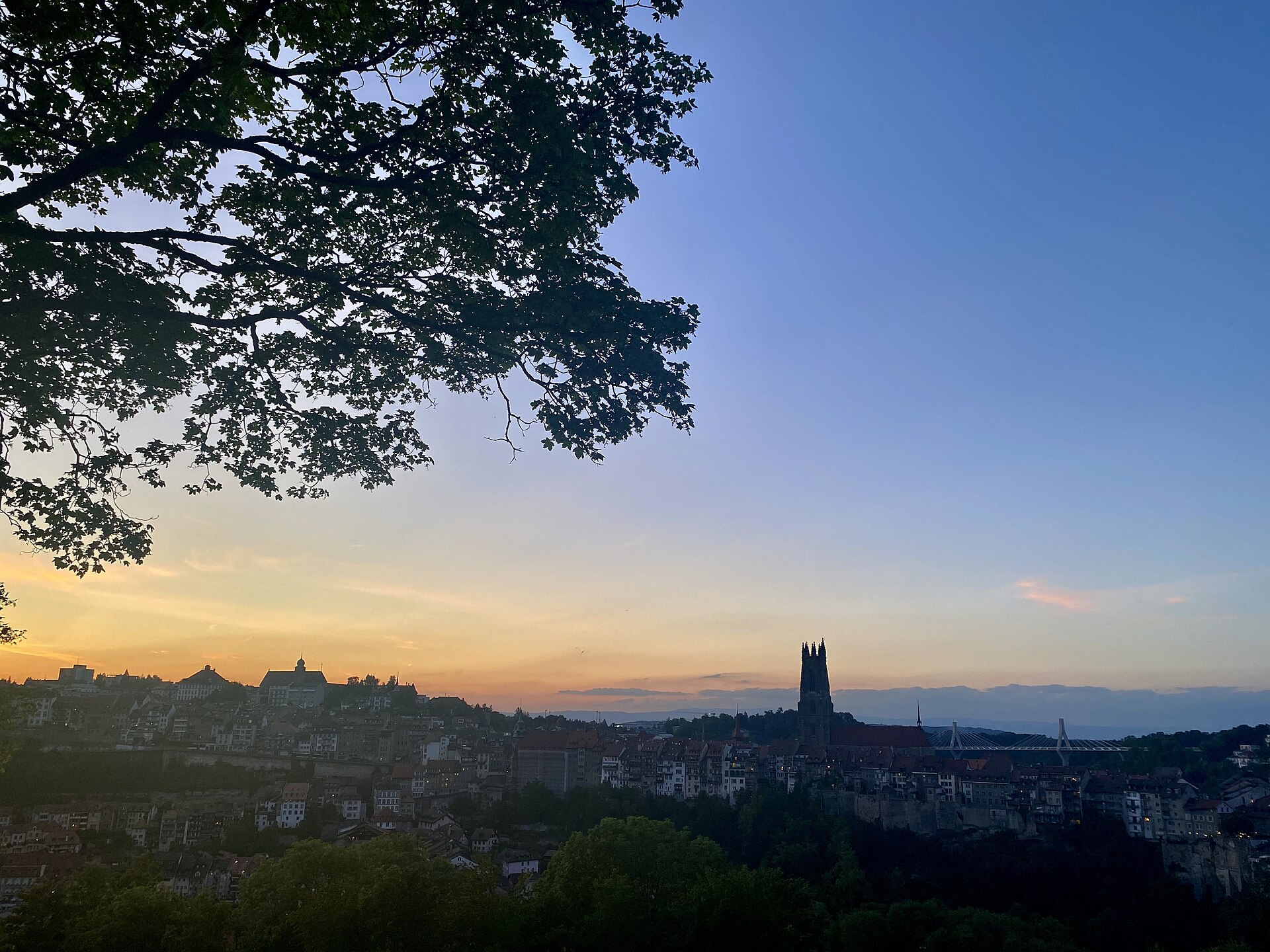
Fribourg, a city clinging to the steep banks of the Sarine, is a place where the Middle Ages seamlessly merge with the present. It's a city of contrasts, where imposing architecture and serene nature go hand in hand. Forget the hustle and bustle and let yourself be carried away by the stories hidden in every stone and every bridge, discovering the unique character of this Swiss gem.
The Heights of Fribourg: Cathedrals, Cliffs, and Vistas
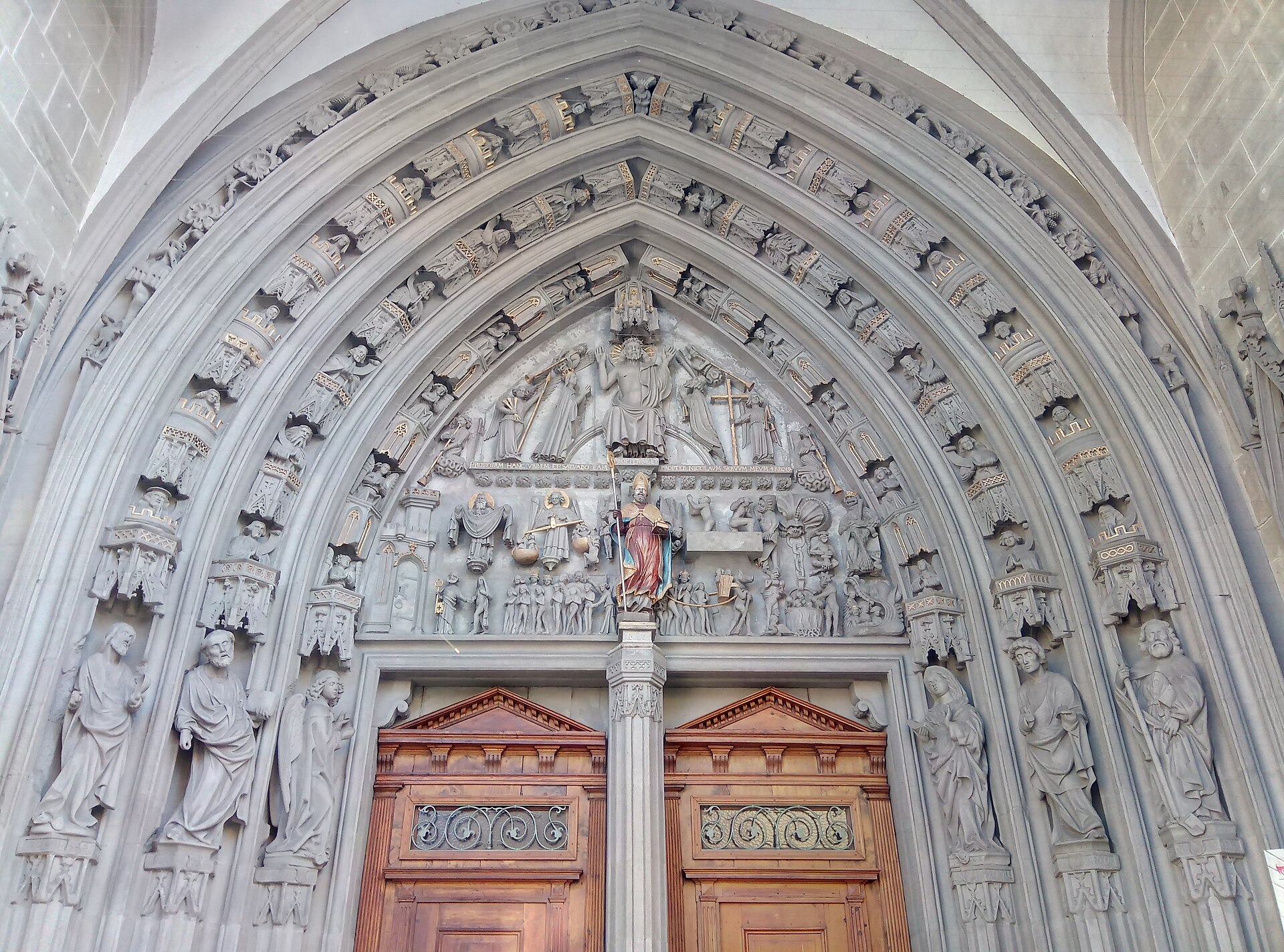
The city of Fribourg is dominated by its dramatic location. The St-Nicolas Cathedral towers like a fortress above the city. This brick cathedral houses an interior painted by monks over centuries. Its vault is covered with a sky full of stars and saints, resulting in the largest painted interior in Europe.
One of the most iconic connections across the river is the Berne Bridge, a wooden masterpiece spanning the Sarine. It connects the old town to the outside world and offers views of the gorge carved out by the river. This bridge is a place full of character and panoramas, where history is palpable beneath your feet.
The landscape surrounding the city is equally impressive. The Falaises du Bourguillon, majestic cliffs carved out by the Sarine river, form a dramatic backdrop for the city. Here, the natural power of water and rocks merge into a spectacular landscape, an unforgettable experience that showcases Fribourg's raw beauty.
The Beating Heart: Tales of Resilience and Governance
Central to the city is the Hôtel de Ville, Fribourg's beating heart. With its imposing clock tower and ornate facades, it tells stories of centuries-old decisions and lively market days. It is a living monument that breathes the city's history.
Nearby stands the Fontaine de la Vaillance, a powerful symbol of Fribourg's indomitable spirit. The helmeted warrior on the column recalls the courage of the citizens who defended their city throughout the centuries, a tribute to the history palpable on every corner here.
The imposing Porte de Morat is one of Fribourg's last remaining city gates. For centuries, guards watched over the city here, a silent witness to countless travelers and historical events. It is a powerful symbol of Fribourg's medieval defenses.
The Basilique Notre-Dame is a place where Fribourg's history is deeply rooted. This basilica, with its serene appearance and ancient stones, has seen countless generations come and go. It is a testament to faith and architectural evolution throughout the centuries.
For those wishing to delve deeper into the culture, the Museum of Art and History, housed in the Ratzé Mansion, offers a treasure trove of stories. Here, centuries of Fribourg's culture and heritage come to life, from medieval art to modern creations.
The Lower Town: Tranquility and Culture by the River
In the peaceful lower town, on the banks of the Sarine, lies Le Port de Fribourg. This is an oasis of calm where you can imagine goods being unloaded and loaded in the past, and how the river was the city's lifeblood. It's a perfect place to escape the hustle and bustle and enjoy the natural beauty.
In the same lower town, at Espace 1606, we delve into a crucial moment in Fribourg's history: the 'Battle of Grabensaal' of 1606. Impressive exhibitions bring this story to life and take you to the heart of the conflict, highlighting the city's resilience.
The Place du Petit Saint-Jean is a charming little square in the lower town, surrounded by old houses with wooden facades. It feels like a step back in time, a perfect place to pause and soak in the unique atmosphere of the old town.
A hidden gem in the lower town is the Swiss Puppet Museum, where every marionette and doll tells its own story. From ancient figures to modern creations, the collection is a place that sparks imagination and takes you back to your childhood.
This selection of Fribourg's attractions is just a taste. The city is full of even more hidden alleys, historical details, and surprising views waiting to be discovered. For a complete experience, full of captivating stories and the exact route, the CityWalkGems app is your ideal guide to truly understand Fribourg.
- 12 stops
- Start anywhere
- ~3,7 km route length
- ~793 m longest stretch
- about 1,5–2 h duration
- Free

