
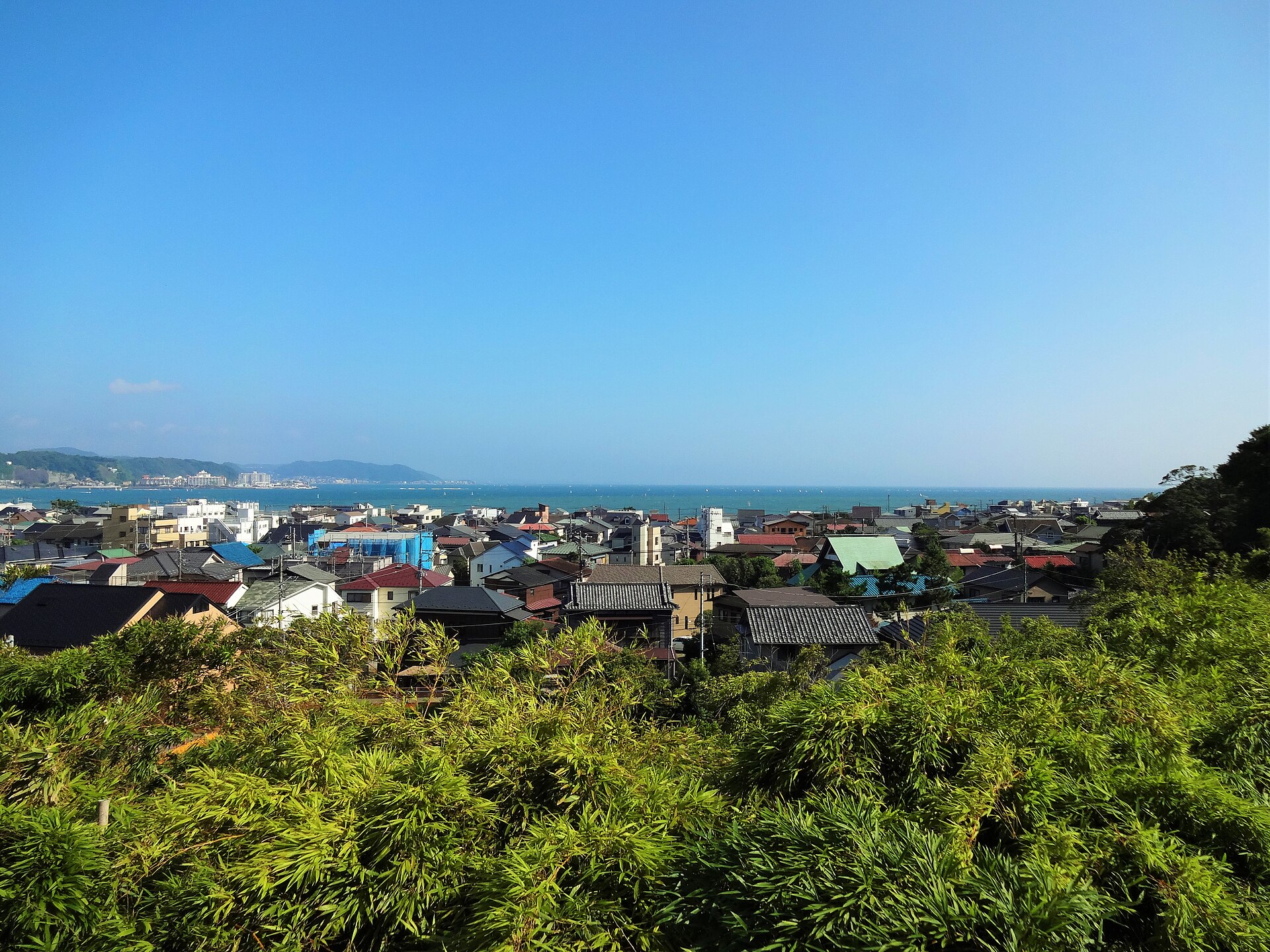
The Spiritual Heartbeat of Kamakura
Begin your exploration in the tranquil surroundings of Kitakamakura, where the Kitakamakura Old Private House Museum offers a serene introduction to traditional Japanese architecture. Here, you can admire the intricate craftsmanship and natural materials that tell stories spanning generations. Nearby, you'll find the Yoh Shomei Art Museum, an oasis dedicated to Yoh Shomei's nature-inspired art, featuring gentle creatures and dreamlike landscapes that invite contemplation.
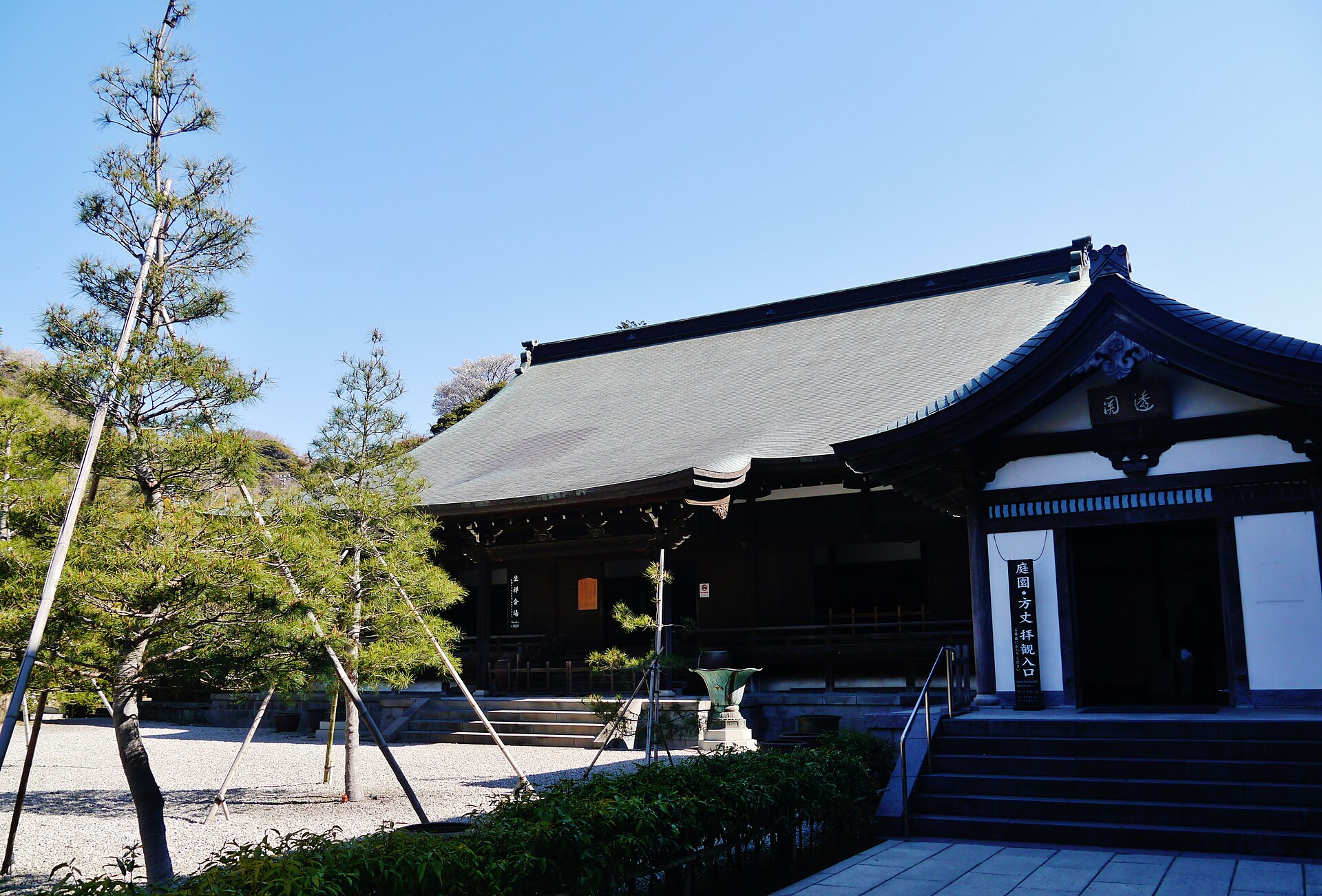
Next, you'll be confronted with the grandeur of Kenchō-ji, Kamakura's oldest Zen temple. This expansive complex, founded in 1253, breathes centuries of spiritual practice. The imposing Sanmon gate with its intricate wood carvings is a testament to ancient craftsmanship, and the sheer scale of the temple is impressive.
The path leads you further into the heart of Kamakura, where Tsurugaoka Hachiman-gu is enthroned. This is the city's most important Shinto shrine, founded by Minamoto no Yoritomo. Climb the grand stone staircase to the main hall and let yourself be surrounded by the vibrant vermilion buildings against the lush greenery. The grandeur of this place is palpable. Nearby, on the shrine grounds, stands the Kamakura Bunkakan Tsurugaoka Museum, a modern architectural gem designed by Junzo Sakakura, which combines contemporary design with the historic setting and delves deeper into Kamakura's cultural heritage.
Echoes of the Shogunate and Ancient Crafts
Kamakura's history is inextricably linked to the shogunate. Stroll along Dankazura, the elevated approach to Tsurugaoka Hachiman-gu. This path, lined with cherry trees, was built by Minamoto no Yoritomo for the safe passage of his wife. The path gradually narrows as you approach the shrine, creating a unique perspective and making you feel as if you are walking through history.
To gain a deeper understanding of Kamakura's rich past, a visit to the Kamakura Museum of History and Culture is essential. This modern museum offers a deep dive into the city's fascinating samurai period, with artifacts and interactive exhibitions that bring history to life. It helps piece together Kamakura's role as a political and cultural center.
The aesthetic sensibilities of Kamakura's samurai past are also reflected in the art of Kamakurabori. At the Kamakurabori Museum, Local Giftshop & Cafe, you'll discover this traditional craft, where intricate designs are carved into wood and then lacquered with vibrant colors. The craftsmanship here is admirable.
A more solemn reminder of the past can be found at the Burial Cave (Harakiri Yagura) of Hojo Takatoki. These rock-hewn caves are a grim reminder of the end of the Kamakura shogunate in 1333, when Hojo Takatoki and his vassals committed ritual suicide here. It is a place where the weight of history is palpable.
Vibrant Beaches and Modern Art
Beyond its deep historical layers, Kamakura also offers a vibrant contemporary side. Immerse yourself in the energy of Komachi-dori Shopping Street. This bustling shopping street is a sensory delight, filled with aromas, colorful souvenirs, and the lively chatter of both locals and tourists. From traditional sweets to unique crafts, there's a treasure to be found around every corner.
For modern art enthusiasts, The Museum of Modern Art Kamakura Annex offers a fascinating contrast to the ancient shrines. This elegant annex, designed to harmonize with its natural surroundings, houses a carefully curated collection of contemporary art, often featuring local artists and themes. It is a peaceful place to reflect on art and nature.
- 12 stops
- Kamakura Museum of History and Culture start
- ~5,3 km route length
- ~1010 m longest stretch
- about 2–2,5 h duration
- Free

