
Kristiansand is best known as the sun-drenched gateway to Southern Norway, but anyone wandering its quays and streets quickly discovers that this city offers far more than just the charm of a laid-back coastal retreat. Here, historic military bastions gaze out across the waters of the Skagerrak, while ambitious cultural developments take shape on former docklands. A walking tour of Kristiansand reveals how military history, maritime trade, and Nordic architecture seamlessly converge within just a few short steps.
Odderøya: From Military Stronghold to Creative Haven
Just south of the city center lies the Odderøya peninsula. Amid rugged rocks, wildflowers, and fragrant pine trees, the layered history of this site reveals itself immediately. Where once strictly restricted military installations stood, sculptors and other artists have now established their studios. Contemporary sculptures nestle naturally among the greenery, gradually transforming the rocky shoreline into an open-air public art sanctuary.
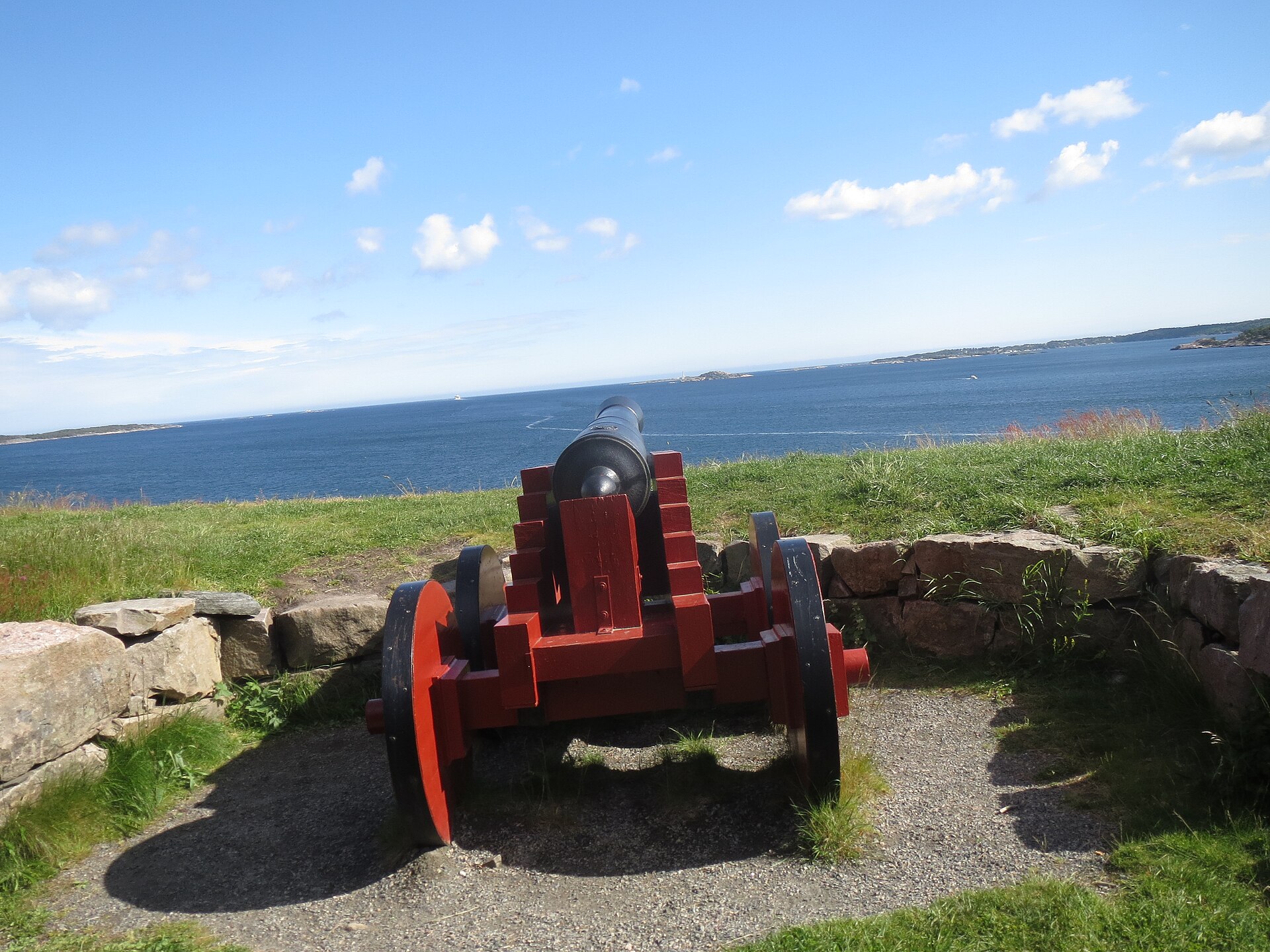
Climbing a little further uphill, the Odderøya fortress serves as a potent reminder of this ridge's strategic importance. For more than three centuries, heavy cannons stationed on these heights dictated who was permitted to enter the harbor. This defensive line faced a severe trial on April 9, 1940, when German warships loomed out of the morning mist, subjecting the fortification to intense bombardment. Not far away sits the Vestre batteri Bunker, embedded deep within the rocky hillside. This concrete fortification once guarded the western arm of the fjord against stealthy vessels; today, sea breezes whistle through weathered embrasures, while moss and wild brambles reclaim the former battle stations.
Along the quay on Sjølystveien, where the peninsula merges with the harbor district, the Kunstsilo instantly commands attention. For decades, these soaring reinforced-concrete cylinders facilitated the handling of millions of kilograms of grain. Today, the daring conversion of this industrial grain elevator into a museum for world-class Nordic art stands as one of Europe's most remarkable adaptive reuse projects.
Maritime Energy Along the Skagerrak
Kristiansand has lived with and from the sea for centuries. Close to the silo lies the Port of Kristiansand, where ferries dock and heavy mooring lines creak against sturdy bollards. This vital hub connects Norway’s southernmost tip directly with the European mainland across the waters of the Skagerrak. The quayside brims with the energetic rhythm of timber trading, ferry links, and international seafaring.
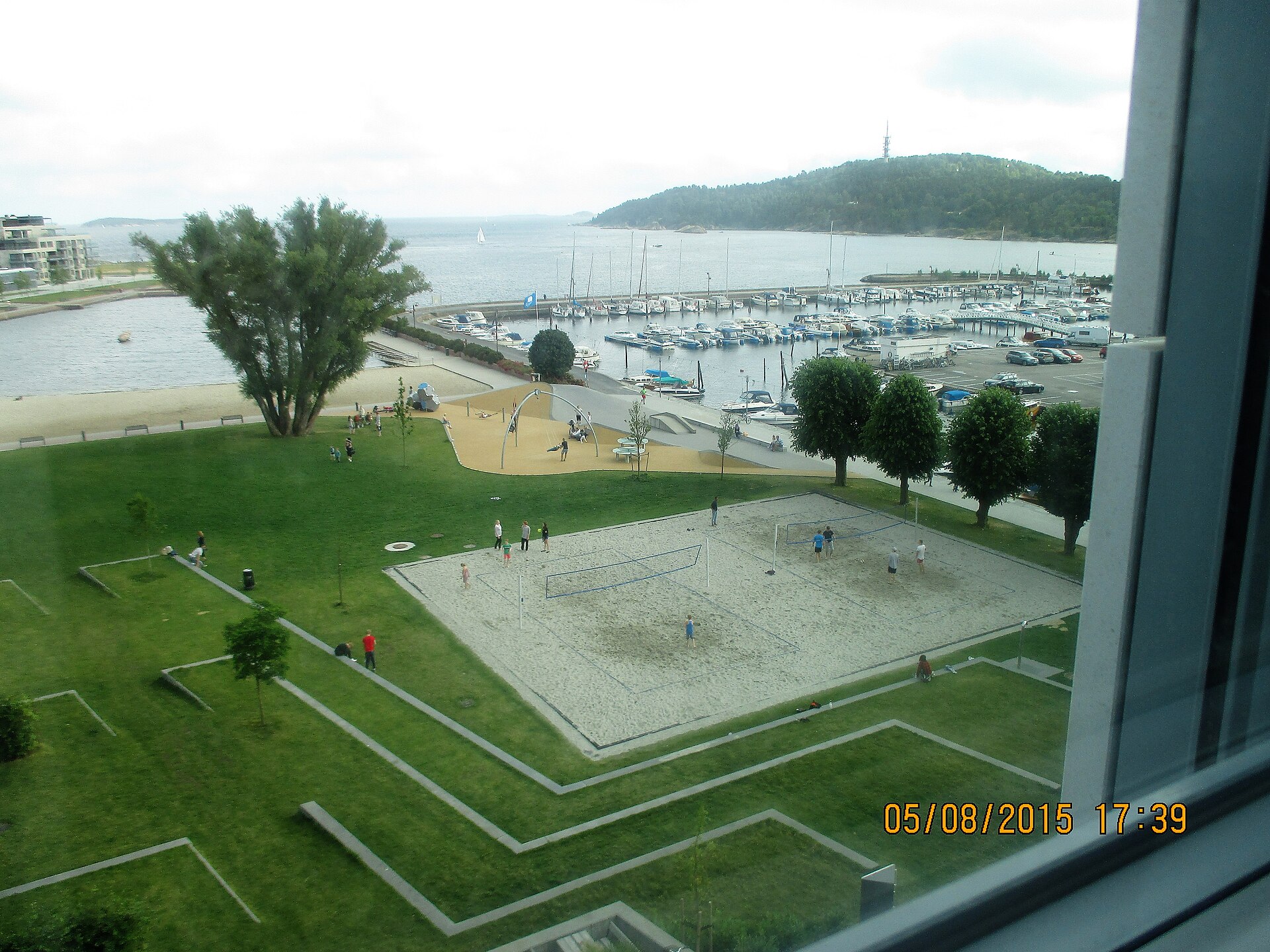
A short walk east reveals a completely different seaside atmosphere. Just minutes from downtown stretches Kristiansand's city beach, boasting fine golden sand. During the summer months, palm trees line the shore, lending an unexpectedly Mediterranean flair to this Nordic coastline. The shoreline also plays host to the renowned Palmesus beach festival each year.
A broad pedestrian promenade leads from the beach along the open water toward the historic, circular Christiansholm Fortress. Flowerbeds flank the walkway, sailboats glide across the bay, and benches invite you to linger for a quiet pause. Close to the water's edge, nestled among lush greenery, stands the Veteranmonumentet. This understated memorial honors the men and women who risked their lives in international peacekeeping missions and through the trials of the World Wars, with fresh flowers and wreaths regularly commemorating the sacrifices of Norway's seafarers.
White Wooden Streets and the Heights of Baneheia
Leaving the waterfront behind toward the northern edge of the center brings you into Posebyen. This tranquil quarter stands out for its dead-straight cobblestone lanes lined with pristine white wooden houses and blooming hollyhocks. Posebyen is one of the largest contiguous historic wooden residential districts in Northern Europe to have survived the devastating city fire of 1892. Behind modest front doors lie leafy courtyards and historic workshops.
At the edge of the quarter, the landscape reveals an entirely different dimension of the city. Rising steeply just behind the residential streets is the Baneheia ridge. Beneath its walking trails and tranquil forest lakes hides the Baneheia Fjellanlegg: an extensive network of caverns and tunnels hewn deep into solid bedrock that served in turbulent times as a secure command center and supply depot.
The stroll through the city center culminates at the central market square, Torvet, dominated by the imposing Kristiansand Cathedral. Following the 1892 fire, this monumental neo-Gothic sanctuary, designed by architect Henrik Thrap-Meyer, rose as one of Norway's largest brick churches. Surrounding the square, open-air terraces and fountains provide a welcoming spot to relax and reflect on all you have seen.
This article offers only a glimpse into the wealth of stories and hidden details Kristiansand holds. Along the full route, many more surprising corners, historical insights, and interactive riddles await. Open the CityWalkGems app to embark on your own self-guided journey and uncover Kristiansand step by step in full detail.
- 11 stops
- Odderøya Sculpture Park start
- ~5,4 km route length
- ~961 m longest stretch
- about 2–2,5 h duration
- Free

