
Kutná Hora: Where Silver Forged History
Kutná Hora, a name that resonates with the sound of hammer blows and the gleam of silver. This Czech city, once one of Europe's wealthiest, owes its existence and unparalleled splendor to the deep veins of silver that ran beneath its streets. It is a place where every stone tells a story of royal power, hardworking miners, and unwavering faith. A walk through Kutná Hora is a journey back in time, past monuments that bear witness to a glorious past.
The Gleam of Silver: Wealth and Power
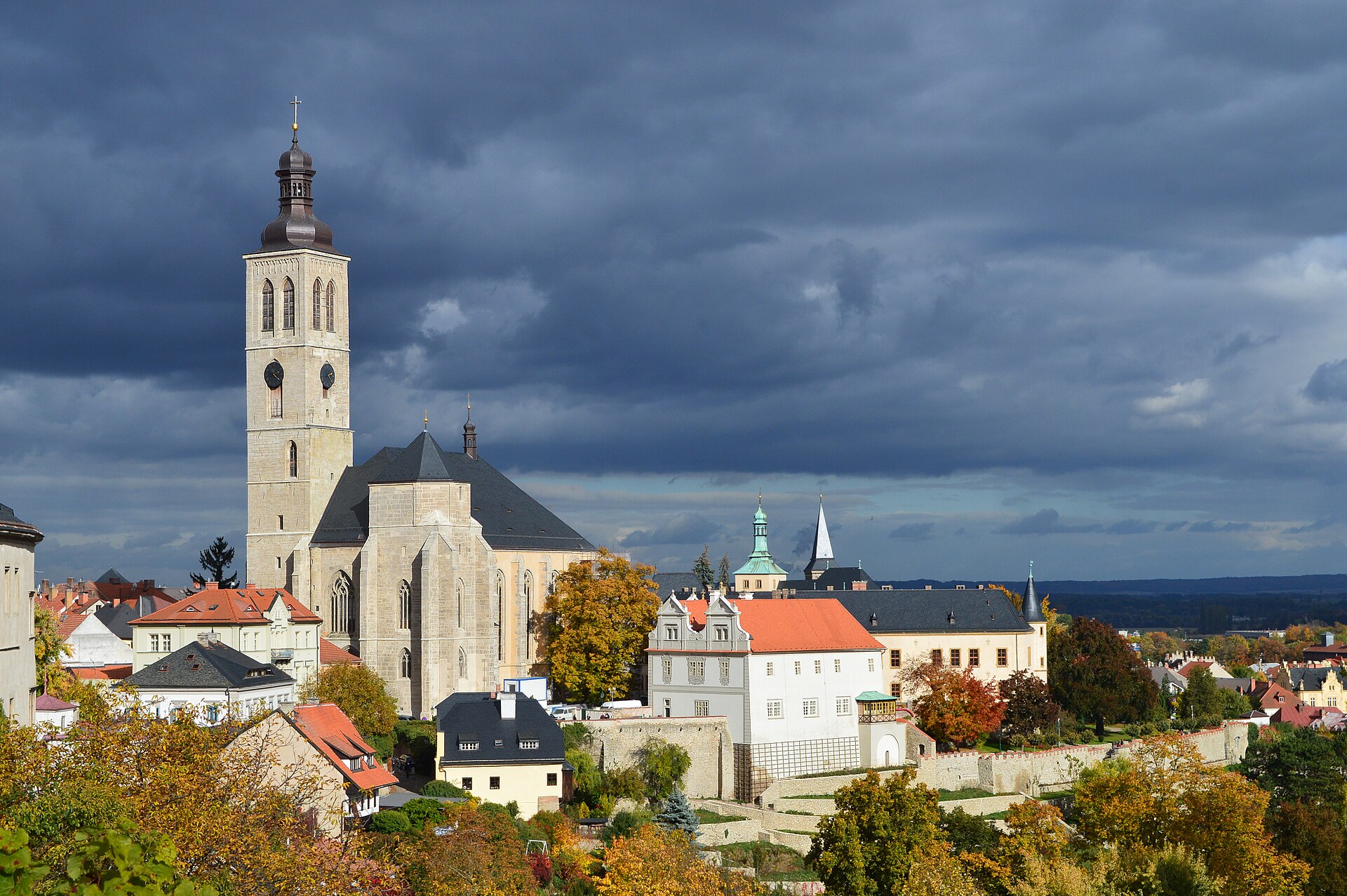
The undeniable wealth of Kutná Hora is nowhere more evident than at the majestic St. Barbara's Church. This 'cathedral of the miners' towers high above the city, a symbol of the prosperity brought by the silver mines. The church, built with the proceeds from these mines, is a tribute to the men who gave the city its fortune. Its unique triple tented roofs and flying buttresses are impressive and showcase the architectural ambition of the era.
To truly understand the origin of this wealth, a visit to the Czech Museum of Silver is essential. Housed in a historic building, this museum brings the legend of Kutná Hora's silver mines to life. It showcases the arduous labor of the miners and the advanced techniques that were employed. You can even visit a replica of a medieval mine, offering a tangible insight into the city's past. The defense of this precious wealth was crucial, and the remnants of the medieval city wall serve as a reminder of the imposing fortifications built to protect the invaluable silver reserves.
The economic heart of the Bohemian kingdom beat in the Italian Court. Here, master minters struck royal coins for centuries, including the famous Prague groschen. The architecture of the Italian Court, a blend of Gothic and Renaissance, testifies to the international influences that made Kutná Hora so prosperous. The city's wealth is also reflected in its civil architecture, such as the Stone House. This architectural jewel, with its Gothic facade, rich decorations, and pointed roof, mirrors the prosperity of a medieval silver merchant. It now houses a part of the Silver Museum, where you can learn more about daily life in the city.
A Tapestry of Architecture and Faith
Kutná Hora is an open-air museum of architecture, where Gothic and Baroque styles converge. Besides St. Barbara's Church, which marks the Gothic period, stands the Corpus Christi Chapel. This unfinished jewel, once intended as an ossuary and later as a chapel, remained in its early Gothic phase. Its rough stone walls and unfinished vaults offer a unique glimpse into the construction methods of that era and tell a story of unfulfilled ambitions.
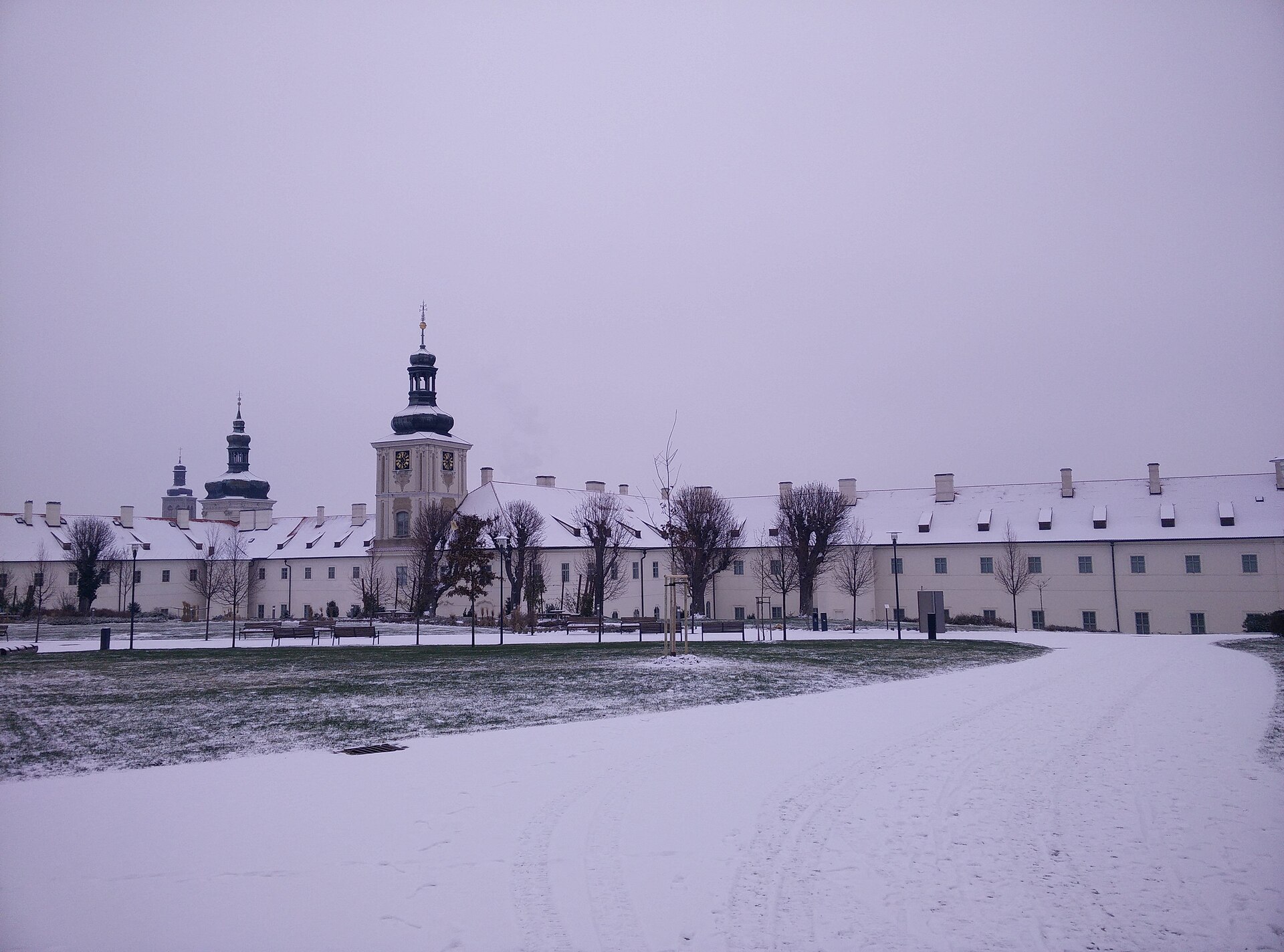
The Jesuit College, with its imposing facade, is a magnificent example of Baroque grandeur. This building, once a prestigious educational institution, served as a stronghold of knowledge and culture. The row of twelve saint statues on the balustrade overlooks the valley, standing as silent witnesses to centuries of history. Another impressive Baroque monument is the Plague Column. This monument was erected after devastating plague epidemics as a prayer and thanksgiving. The detailed sculptures of saints and angels tell a story of suffering and redemption and celebrate the resilience of the human spirit.
In the heart of the city also stands the Gothic Stone Fountain, a masterpiece of medieval engineering and art. This fountain was the city's lifeline, providing residents with fresh drinking water through an ingenious system of wooden pipelines. Its geometric patterns and fine details make it a feast for the eyes, and it is a testament to how functionality and beauty went hand in hand in the Middle Ages.
Echoes of the Past and Unexpected Surprises
Besides the grand architectural works, Kutná Hora also harbors smaller, yet no less significant, reminders of its past. A modest monument in honor of Emperor Franz Joseph I commemorates forty years of his reign, an era of imperial power and influence that profoundly affected the city. The imperial eagle atop symbolizes this long-lasting rule. Further on stands the monument to Vilém Zachov, a tribute to a local hero who gave his life for freedom during World War II. The bronze bust captures his determined gaze, a symbol of steadfastness and an important reminder of sacrifice.
And then, as a delightful contrast to the centuries-old buildings, you stumble upon the FILM LEGENDS EXPERIENCE MUSEUM. Located in the heart of historic Kutná Hora, this museum offers an unexpected dive into modern pop culture and film history. From sci-fi icons to horror legends, it's a treasure trove for film enthusiasts and a unique, fun stop that highlights the city's multifaceted nature.
Kutná Hora is more than just a historical city; it is a living story, woven from silver, stone, and human resilience. This article has only offered a glimpse into the many fascinating places you can discover here. The full walk through Kutná Hora reveals many more hidden details, captivating stories, and unexpected surprises. For a complete and immersive experience, choose the Kutná Hora walk in the CityWalkGems app and let yourself be guided through the rich history of this extraordinary city.
- 12 stops
- ~3,6 km route length
- ~700 m longest stretch
- about 1,5–2 h duration
- Paid