
Also known as: Luik, Lüttich, Lieja
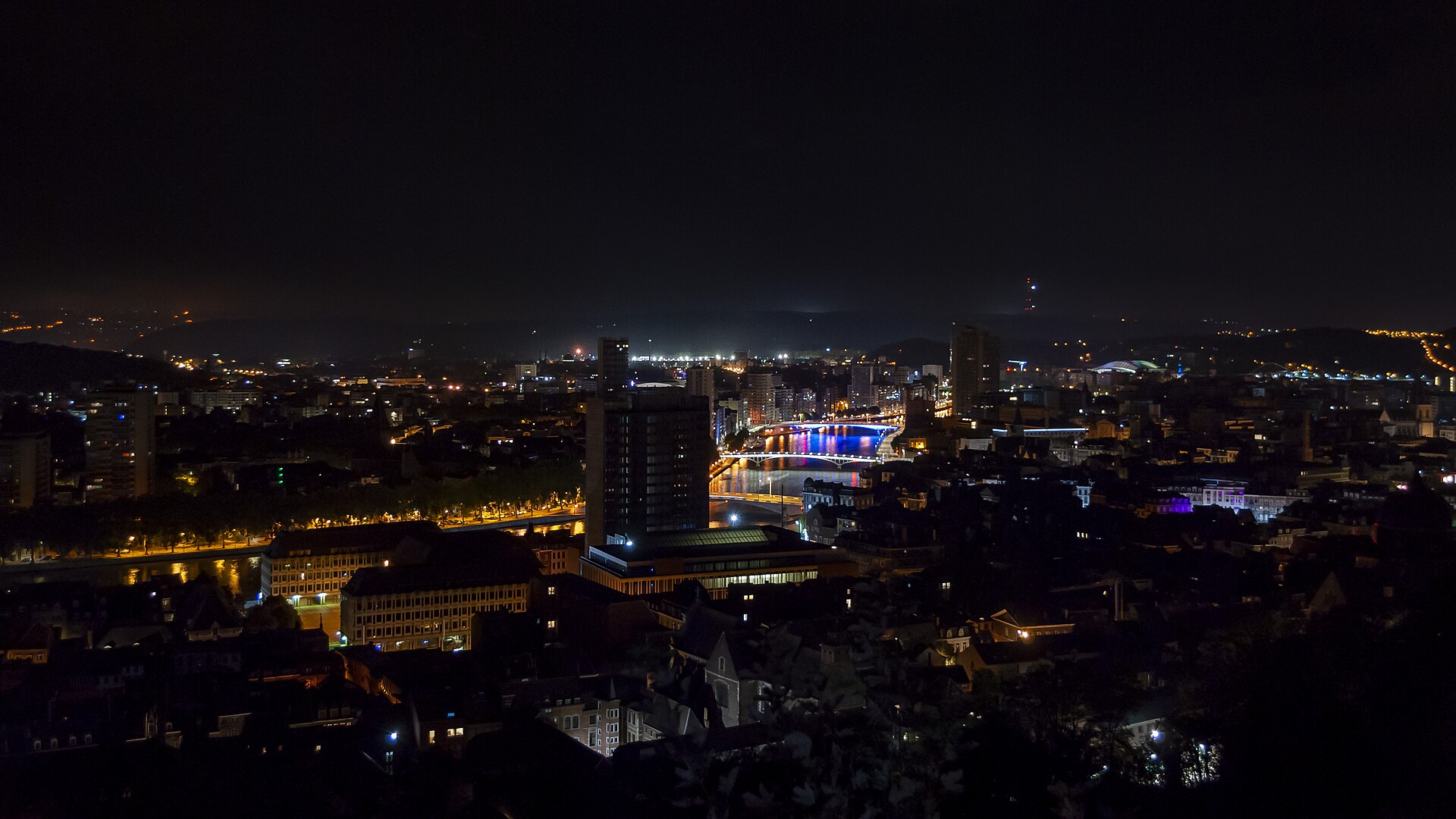
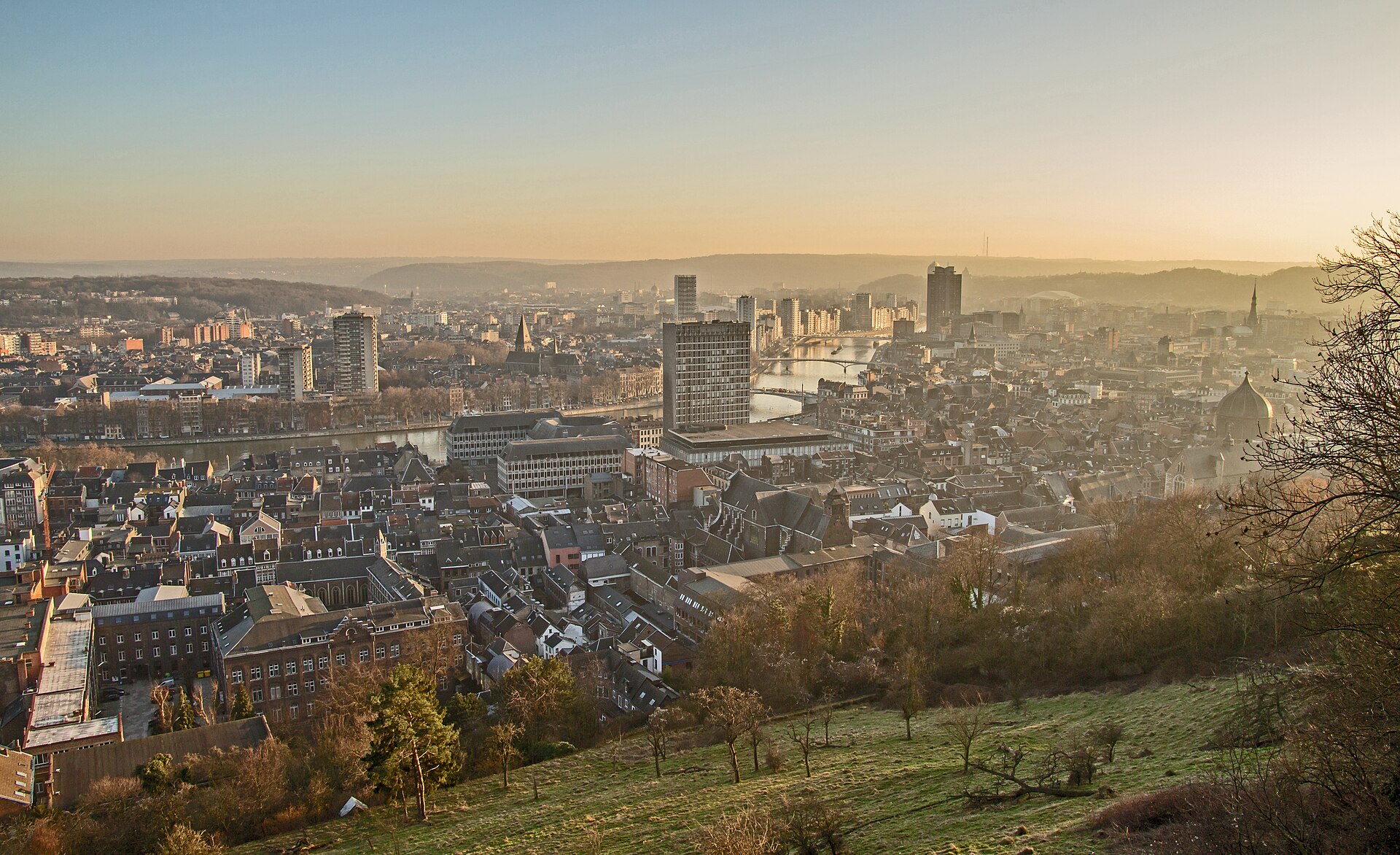
Liège, the fiery city on the Meuse, is not just a place you visit; you experience it. It's a city with deep-rooted history, an undeniable character, and a surprising mix of raw beauty and refined culture. Forget the clichés and let yourself be carried away by the layered stories that every street, every building, and every staircase in this Walloon gem has to tell. Liège is a city that challenges you, rewards you, and ultimately enchants you with its unique soul.
A City of Layers and Vistas
Your journey of discovery through Liège begins with a true test of endurance, but the reward is immense. The Montagne de Bueren is not a mountain, but a monumental staircase of 374 steps, built in 1875. Originally, this steep climb allowed soldiers to reach the citadel from the city center. As you ascend, you feel history beneath your feet, and at the top, a panoramic view of the city awaits.
Once at the top, a green oasis unfolds: the Coteaux de la Citadelle. This breathtaking network of parks, gardens, and ancient paths clings to the hills above the city. Here, medieval walls meet lush flora, and you discover hidden staircases and viewpoints that offer tranquility and magnificent vistas, so close to the bustling city.
Then descend into the depths of time beneath Place Saint-Lambert. The Archéoforum is a journey through Liège's past, from prehistoric times to the present. You walk among the foundations of Roman villas, medieval churches, and even the original Saint-Lambert Cathedral. Every ancient stone tells a story of the many layers that have shaped this city. Above ground, Place Saint-Lambert itself is the epicenter of Liège's history, once dominated by the now-demolished Saint-Lambert Cathedral, whose spirit lives on in the archaeological layers beneath your feet.
Play Liège right in your browser →
The Beating Heart of Walloon Culture
Central to Place Saint-Lambert stands the Palace of the Prince-Bishops, a symbol of immense power and history. With its two magnificent courtyards, this palace has dominated the square for centuries. It served for over 800 years as the seat of the prince-bishops who ruled Liège, a true state within a state. The enormous scale and intricate carvings in the courtyard reflect a long and complex past of changing architectural styles.
To better understand Walloon identity, a visit to the Museum of Walloon Life is essential. Housed in a former Franciscan monastery, this museum is a treasure trove of regional folklore, traditions, and everyday objects. From puppets to crafts, it paints a vivid picture of the Walloon spirit throughout the centuries.
No visit to Liège is complete without experiencing the Marché de la Batte. This market, one of Belgium's oldest and largest, bustles every Sunday along the banks of the Meuse. The air is filled with the aromas of fresh produce, local cheeses, and warm waffles, mingled with the lively chatter of vendors and shoppers. It's a tradition that truly defines Liège and a feast for the senses.
Architectural Splendor and Repurposing
Liège excels in transforming its heritage. La Cité Miroir, once the public baths of Sauvenière, now shines as a cultural and educational center. Its Art Deco architecture, with its grand swimming halls, has been carefully preserved and repurposed, a testament to Liège's ability to embrace and renew the past.
Along the Meuse lies the Le Grand Curtius Museum, a magnificent architectural ensemble dominated by the striking red-brick mansion of Jean Curtius. This complex houses extensive collections of archaeology, decorative arts, and weaponry, combining history with a beautiful view of the river.
The enduring spiritual heart of Liège can be found on Place Cathédrale, home to the Cathédrale Saint-Paul. This Gothic cathedral, with its towering spires and intricate stained-glass windows, inspires awe and invites contemplation. Adjacent to the cathedral is the Treasury of Liège Cathedral, a vault filled with sacred treasures. Here you'll find an extraordinary collection of religious art and artifacts, including the reliquary of Saint Lambert and the bust of Charles the Bold, offering a profound glimpse into the city's spiritual heritage.
This article is just a glimpse of the many wonders Liège has to offer. The city walk through Liège reveals many more hidden details, captivating stories, and surprising places waiting to be discovered. For a complete and interactive experience, I invite you to choose the Liège walk in the 'CityWalkGems' app and embark on your own adventure.
- 11 stops
- Start anywhere
- ~3,8 km route length
- ~693 m longest stretch
- about 1,5–2 h duration
- Free

