
Also known as: Nikko, Nikkō
Nikko, nestled in the mountains of Tochigi Prefecture, is more than just a destination; it's a journey back in time, a place where the natural beauty of the mountains merges with ancient architecture and deep spirituality. For those wondering what to do in Nikko, this city offers an unparalleled mix of cultural treasures and serene landscapes. A walk through Nikko is a voyage of discovery past shrines, temples, and imperial residences that embody Japan's rich history.
The Sanctuary Complex: A Tribute to the Shoguns
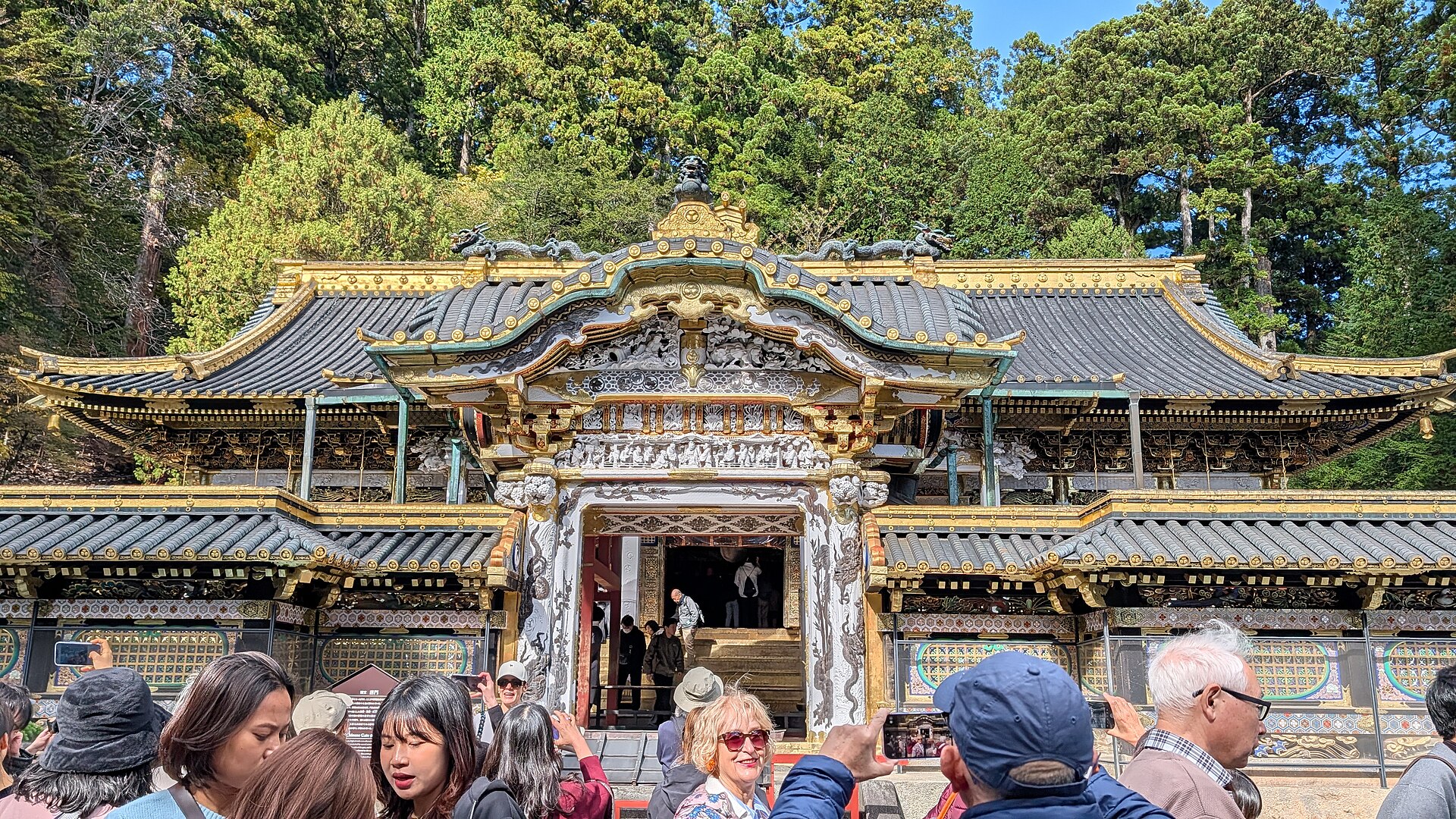
The core of Nikko's allure lies in its UNESCO World Heritage complex, a collection of shrines and temples that bear witness to unparalleled craftsmanship and devotion. The highlight is undoubtedly Nikkō Tōshōgū, a tribute to Tokugawa Ieyasu, the unifying force behind Japan. This shrine is an overwhelming spectacle of history and art, characterized by incredible details, golden decorations, and thousands of wood carvings that each seem to tell a story.
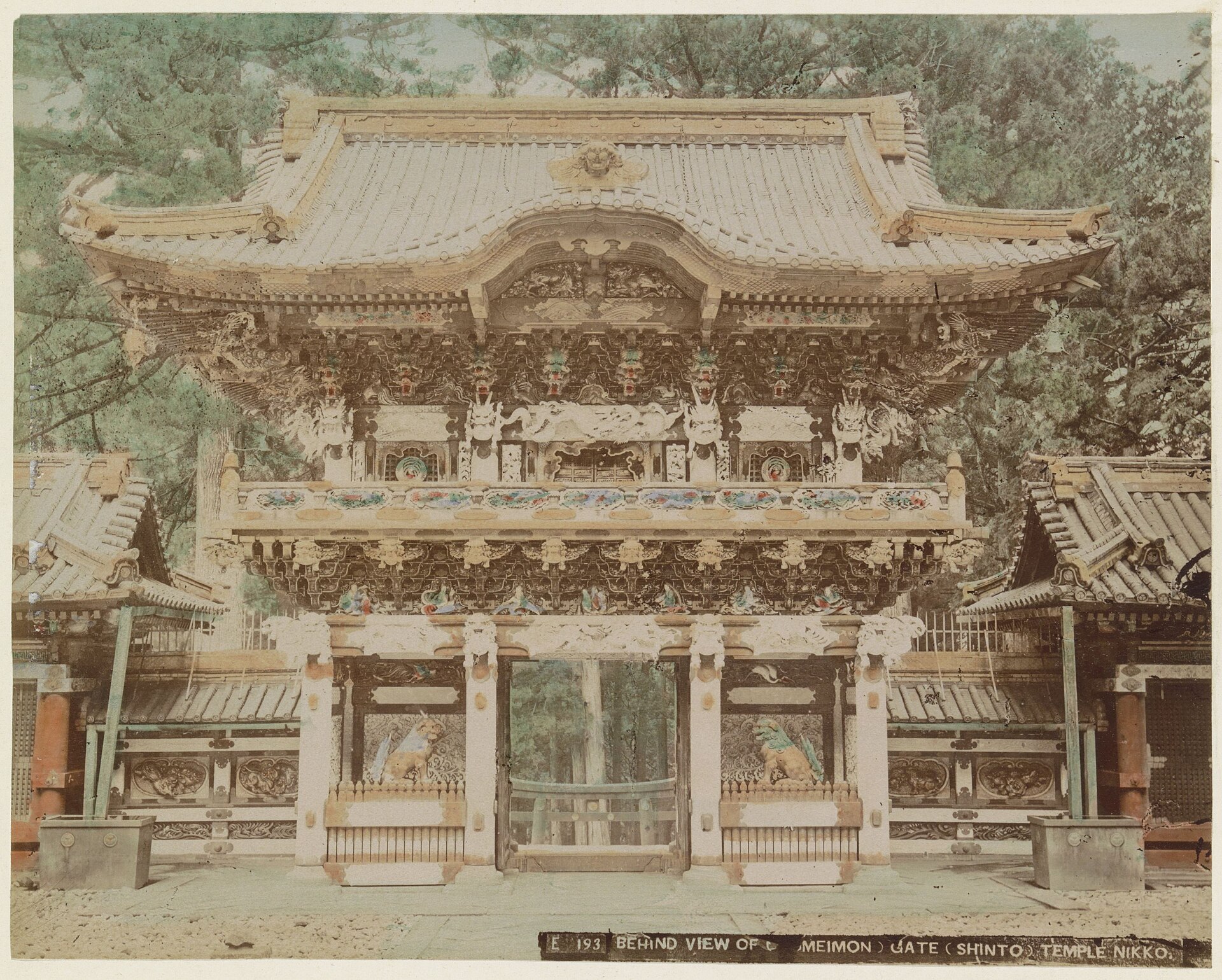
Within this complex stands the Yōmeimon Gate, a masterpiece of Japanese architecture. The gate is so richly decorated and detailed that one could gaze at it for hours without seeing everything. A remarkable detail is one of the twelve pillars intentionally placed upside down, a traditional method to ward off evil spirits. Nearby rises the Gojū-no-tō, a five-storied pagoda. This structure is a wonder of traditional Japanese construction, featuring a unique central pillar system that does not touch the ground, making the building remarkably earthquake-resistant.
The iconic Shinkyō Bridge, a scarlet-red arched bridge, spans the Daiya River and creates a breathtaking contrast with the lush greenery surrounding it. According to legend, the bridge was formed by two snakes that helped the monk Shōdō Shōnin cross the river, emphasizing the deep spiritual roots of this place.
Further into the complex, the Rin’nōji Houmotsuden invites a dive into history. This treasure house holds an impressive collection of Buddhist statues, paintings, and documents spanning centuries, including a rare manuscript describing the temple's foundation. Another impressive structure is Taiyū-in, the mausoleum of Tokugawa Iemitsu, the third Tokugawa shogun. Though as impressive as Tōshōgū, it exudes a more subdued and solemn atmosphere, with dark lacquer and golden accents, and the beautiful Ryūmon (Dragon Gate) with its detailed wood carvings.
The spiritual journey is completed at the Nikko Futarasan Shrine, a sanctuary much older than the opulent Tōshōgū. Dedicated to Nikko's mountain gods, this is a place of deep spiritual significance. Here one finds the 'Bakemono Tōrō', a stone lantern that, according to legend, changes shape at night, adding to the mystical atmosphere.
Play Nikko right in your browser →
Art, Imperial Grandeur, and Historical Echoes
Beyond the sanctuaries, Nikko also offers rich cultural and historical depth. The Nikko Toshogu Hōmotsukan Museum delves deeper into the world of the Tokugawa clan. Here, ceremonial weapons and personal belongings of the shoguns are displayed, including an impressive collection of samurai equipment that offers an intimate glimpse into their lives. The Nikkō Tōshogū Art Museum complements this with the artistic heritage of the Tōshōgū Shrine, featuring paintings, calligraphy, and craft objects that reflect the aesthetics of the Edo period, often inspired by nature and the spiritual significance of Nikko.
For lovers of local art, the Kosugi Hōan Museum of Art is a serene stop. This museum is dedicated to the works of local artist Kosugi Hōan, whose landscapes and portraits capture the soul of Nikko and the surrounding nature.
The elegance of a bygone era also becomes tangible at the Kanaya Hotel History Museum. This was Japan's first Western resort hotel, a place where celebrities and royalty stayed, and its original architecture and historical photos tell stories of yesteryear.
This article merely scratches the surface of what Nikko has to offer. The full city walk reveals many more hidden gems, fascinating stories, and unexpected details waiting to be discovered. For an in-depth exploration of this historic city, choose the Nikko walk in the CityWalkGems app and let yourself be guided through time.
- 11 stops
- Start anywhere
- ~3,6 km route length
- ~858 m longest stretch
- about 1,5–2 h duration
- Free

