
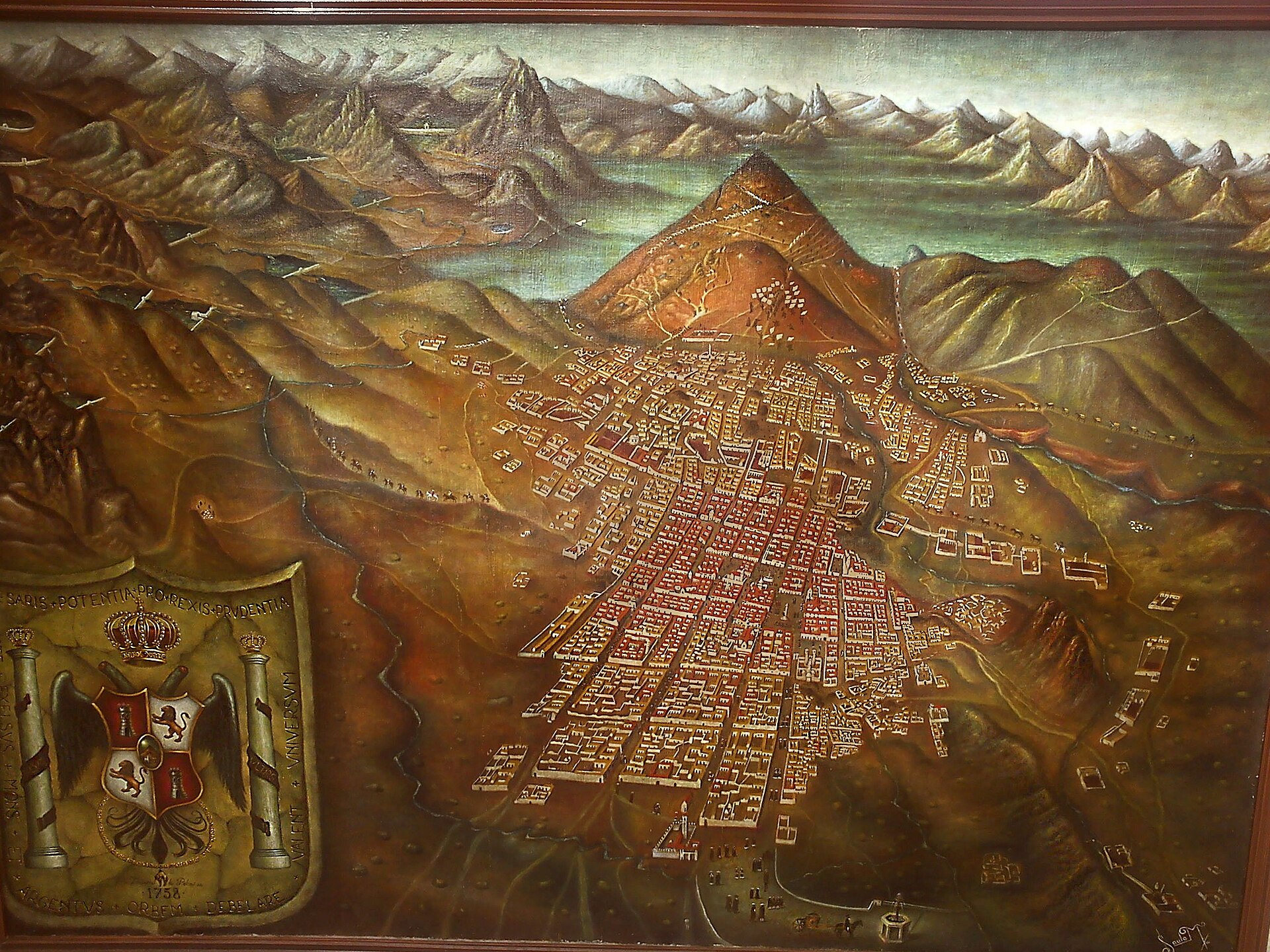
High in the Andes, at a dizzying altitude, lies Potosí – a city that doesn't just exist. It was born from silver, fueled by ambition, and shaped by the immense wealth of one mountain: the Cerro Rico. Potosí is a living museum, a place where every cobblestone whispers of a past that influenced the course of world history. It is a city of contrasts, of unprecedented grandeur and profound struggle, inviting you to discover its complex soul.
The Silver Heartbeat of a Continent
The history of Potosí is inextricably linked to silver. The city was once one of the largest and wealthiest in the world, thanks to the enormous silver reserves of the nearby Cerro Rico. A visit to the National Mint of Bolivia is essential to understand this history. This impressive building was the beating heart of silver production that financed the Spanish Crown and influenced the global economy. Inside, you feel the echoes of millions of coins struck here, a tangible link to Potosí's legendary wealth. It's a place where you can experience the scale of the machines and the stories of the silver.
Before the larger mint was built, it all began in the First Mint, also known as the 'Casa de la Moneda Vieja'. This rustic building, with its thick walls and simple architecture, was where the silver wealth of Cerro Rico was first transformed into coins. You truly feel the history in these old stones, a tangible reminder of the raw early years of Potosí's silver production.
And then there's the mountain itself. From a viewpoint on Cerro Rico, you breathe deeply and let your gaze wander over this iconic 'Rich Mountain'. It is the reason Potosí exists, the source of unprecedented wealth and, at the same time, immense suffering. From here, you see the veins of silver piercing the mountain, a living testament to the human ambition and sacrifice that shaped this city.
Play Potosí right in your browser →
Masterpieces of Mestizo Baroque and Colonial Art
Potosí is also a treasure trove of colonial art and architecture, particularly the unique Mestizo Baroque style that flourished here. The Church of San Lorenzo de Carangas is an architectural marvel. Its facade is a breathtaking example of Mestizo Baroque, where indigenous artists wove their own symbolism and stories into Christian motifs. Notice the unique sirens playing musical instruments, a fascinating fusion of cultures you won't see anywhere else.
Another hidden gem is the Church of Santo Domingo. With its modest exterior, this church conceals a wealth of colonial art and architecture. Its facade is a beautiful example of Mestizo Baroque, where indigenous symbolism seamlessly merges with European styles, whispering of the cultural melting pot that Potosí once was.
Look up at the impressive Tower of the Society of Jesus, a masterpiece of stone lace. This tower, with its unique 'stone lace' architecture, is one of Potosí's most recognizable symbols. It is a tribute to the skill of colonial artisans and the influence of the Jesuit order that left its mark on the city here.
Step inside the Saint Theresa Museum, housed in a former convent. This museum opens a rare window into the life of the Teresian nuns, filled with colonial art and beautiful, gold-adorned altars. It is a place where time seems to stand still, filled with the echoes of prayers.
Echoes of Life and Struggle
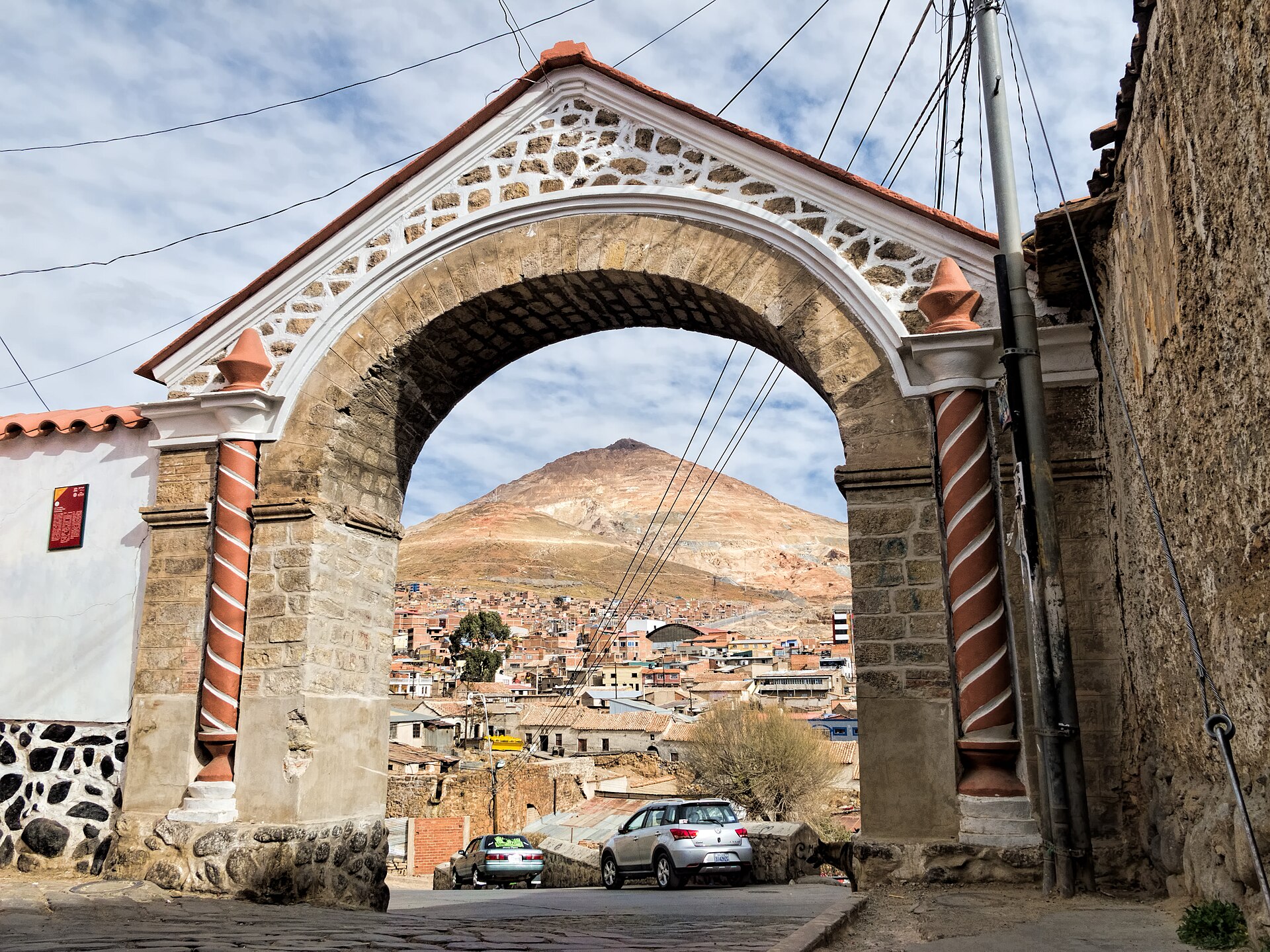
The Arco de Cobija once marked the boundary of the colonial city and welcomed travelers and merchants who came seeking the riches of Cerro Rico. It feels like stepping through a portal to another century, and you can imagine the hustle and bustle that took place here for centuries.
Welcome to Plaza San Bernardo, an oasis of tranquility in bustling Potosí. This charming square, surrounded by historic buildings, exudes an atmosphere of bygone eras. Look at the old trees casting shade and imagine how generations of Potosinos lived their daily lives here, from markets to meetings.
The Monument to the Revolutionary Miner is a powerful tribute to the men and women who formed the backbone of Potosí. This monument is a symbol of the struggle and sacrifice of the miners, who worked tirelessly under the harshest conditions. It reminds us of the deep social and political history that flows in the veins of this city.
Look up at the Potosí Obelisk, a modern tribute to the unyielding spirit of this city. This monument stands proudly as a symbol of Potosí's resilience and its ongoing struggle. It reminds us that Potosí's history is not only in the past but also lives on in the present.
Finally, there is the charming Humberto Iporre Salinas Museum, a tribute to one of Potosí's most beloved composers and musicians. Step inside and let yourself be carried away by the melodies and stories of a man who captured the soul of his city in music, full of personal belongings and instruments.
Potosí is a city that touches you, a place where history and culture await you at every corner. This article offers just a glimpse of the wonders you can discover here. The full walk through Potosí, with all its stops, riddles, and hidden details, awaits you. Choose the Potosí walk in the CityWalkGems app and let yourself be carried away by the stories of this extraordinary city.
- 12 stops
- Start anywhere
- ~3,6 km route length
- ~640 m longest stretch
- about 1,5–2 h duration
- Free

