
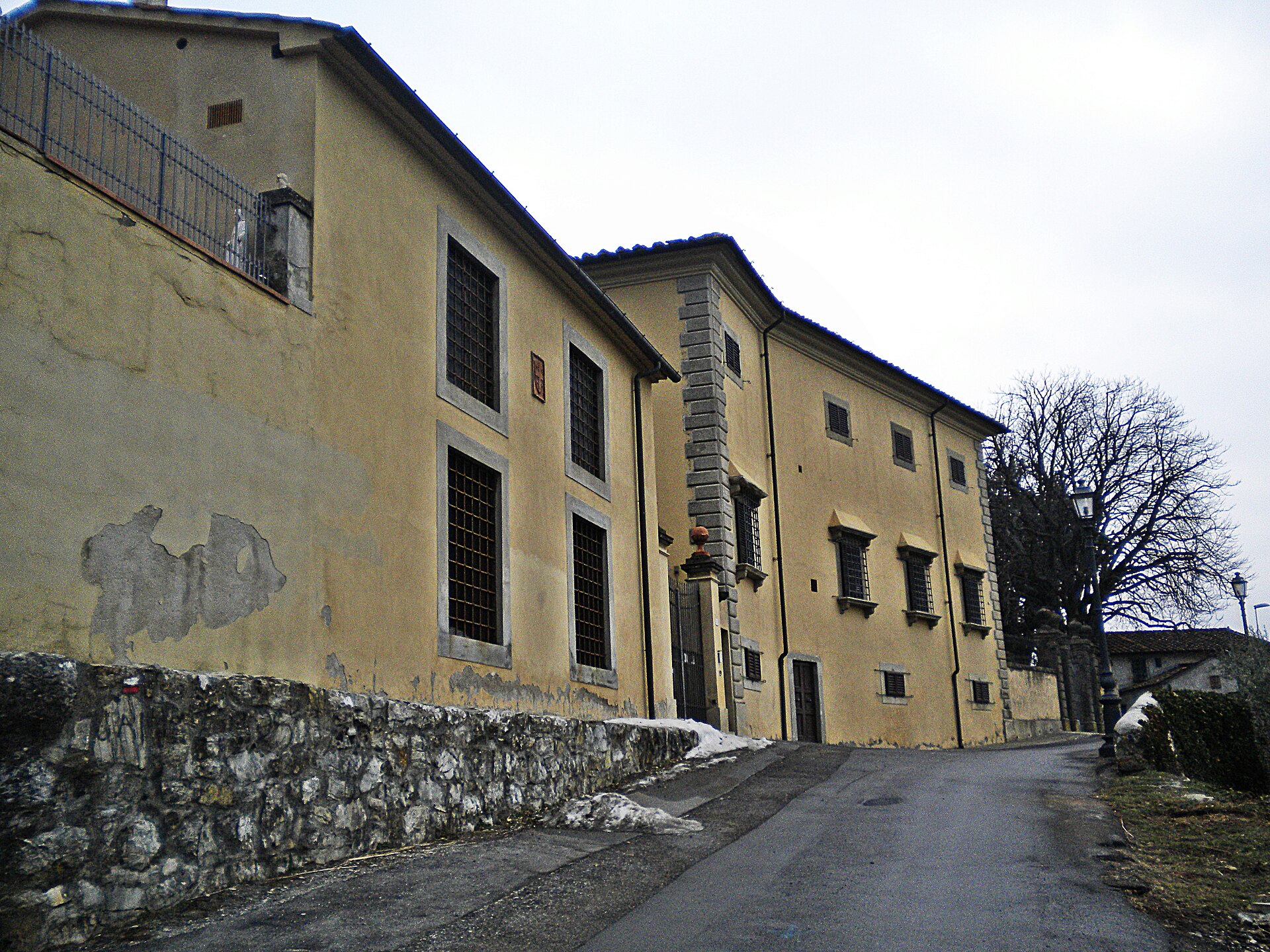
Forget the well-trodden paths of Florence and Siena for a moment. Deeply nestled in the heart of Tuscany lies Prato, a city often overlooked, yet one that harbors a wealth of history, art, and a unique industrial soul. Prato isn't a city that screams for attention; it whispers its stories to those willing to listen. From ancient religious treasures to the echoes of a flourishing textile industry and imposing medieval fortifications, Prato offers an authentic Italian experience that takes you on a journey through time. Let's discover the layers of this fascinating city together.
The Spiritual and Civic Heart of Prato
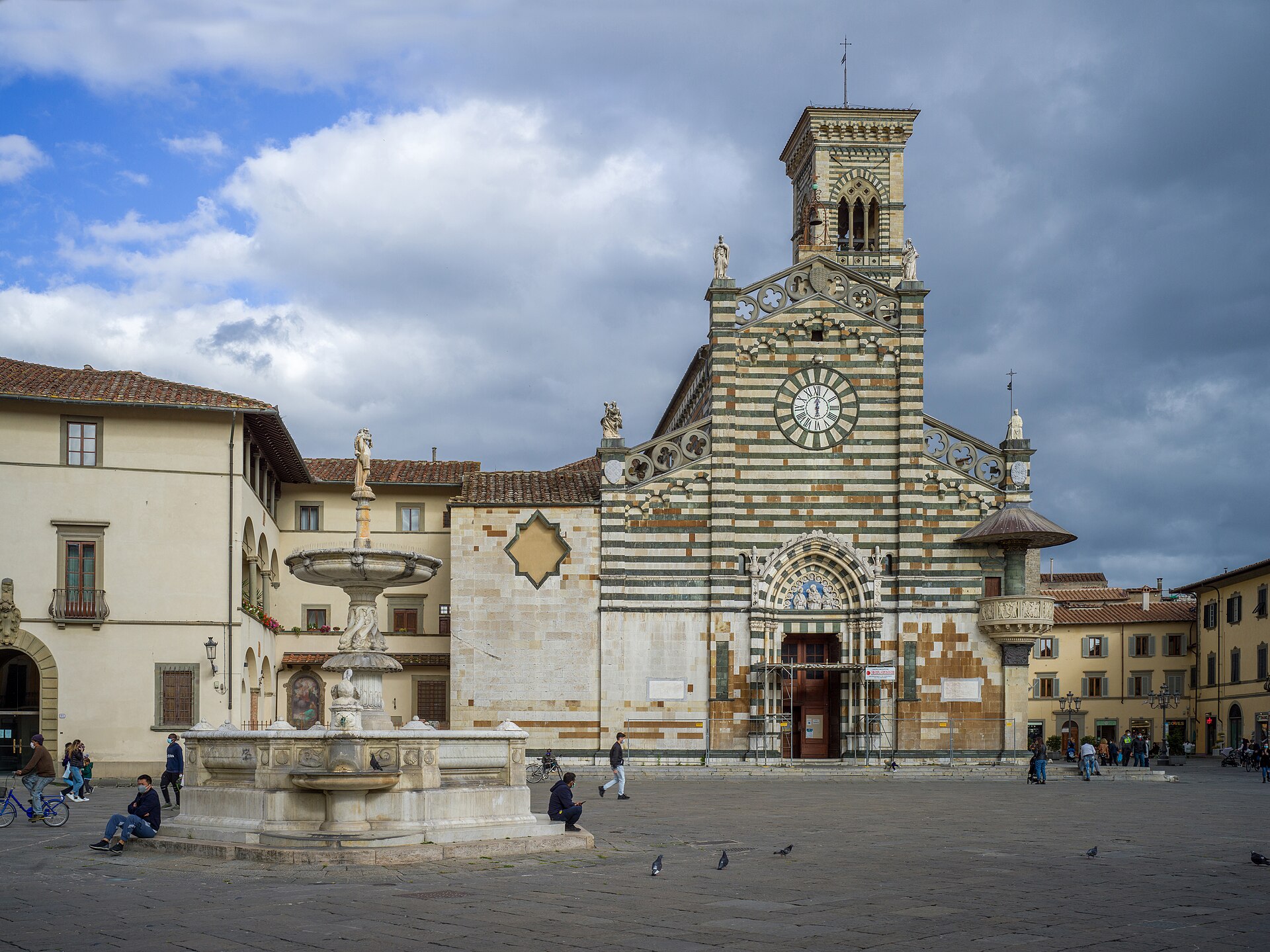
Our exploration begins at the Cattedrale di Santo Stefano, Prato's spiritual center. This magnificent cathedral, with its striking green-and-white marble facade, is a treasure trove of history and art. Outside the cathedral stands the famous pulpit by Donatello and Michelozzo, from which the city's most sacred relic, the Holy Girdle, is displayed to the faithful. Right next to the grandeur of the Duomo is the Episcopal Palace, a silent witness to centuries of ecclesiastical power and daily life in Prato. Its understated beauty and historical weight offer a fascinating counterpoint to the cathedral's splendor.
A short walk brings us to the Complesso Monumentale di San Francesco, a serene Franciscan complex. Behind its imposing facade lies a tranquil cloister garden and a church filled with centuries of devotion and art. It's a place where the famous merchant Francesco Datini chose to rest, and where the echoes of monastic chants still seem to linger. The nearby Piazza San Francesco, which gives the complex its name, is steeped in centuries of history and community life, a place where modern life flourishes in an ancient setting.
Prato also houses a true Renaissance jewel: the church of Santa Maria delle Carceri. Designed by Giuliano da Sangallo, this church is a masterpiece of harmony and proportion, built on a perfect Greek cross plan. Its striking green-and-white marble facade glistens under the Tuscan sun, a testament to the architectural brilliance of its time. Finally, the Museo di Palazzo Pretorio, housed in an imposing red brick facade, served Prato for centuries as the seat of justice and power. Inside, you'll find a rich collection of art and artifacts that tell the story of the city's artistic journey. The bell tower, a symbol of civic life, still watches over the square.
Prato's Commercial Spirit and Textile Heritage
The soul of Prato is inextricably linked to its textile heritage. The Textile Museum, housed in a beautifully restored 19th-century textile factory, the Cimatoria Campolmi, is not just a collection of fabrics. It's a living story that shows how Prato became a world leader in textiles, from ancient looms to modern designs. This museum delves deep into the history of an industry that shaped the city and brought it prosperity.
The commercial spirit of Prato is also palpable in the expansive Piazza Mercatale. For centuries, this was one of Tuscany's largest market squares, a bustling hub where goods, news, and ideas flowed freely. Even today, you can feel the echoes of its busy past, imagining merchants and travelers from all corners gathering here. The sheer size of this square makes you realize how important Prato once was as a trading center.
Walls That Speak: Defense and Hidden Art
The history of Prato is also one of defense and power. The formidable Castello dell'Imperatore is a unique Swabian fortress that stands as a powerful symbol of imperial ambition in Tuscany. Built by Emperor Frederick II, its distinctive octagonal towers and robust walls tell stories of a distant, powerful ruler. It is a rare example of military architecture that seems almost out of place, yet perfectly at home in Prato. The Cassero, a fortified walkway, was a vital part of Prato's medieval walls and once connected the city to this formidable castle. It is a tangible link to a time when Prato was a bustling, protected stronghold.
Amidst this robust history, we also find intimate art treasures, such as the Galleria di Palazzo Alberti. This elegant historic palace, once the residence of a prominent Pratese family, now preserves an exquisite collection of paintings, including works by Filippo Lippi. It's an opportunity to experience art in an intimate, aristocratic setting, far from the hustle and bustle of larger museums.
Prato is a city that invites you to wander and discover, a place where every corner tells a new story. This article offers just a glimpse of the many wonders this Tuscan gem has to offer. The full walk through Prato reveals even more stops, riddles, and hidden details waiting to be uncovered. Choose the Prato walk in the 'CityWalkGems' app and let yourself be guided through the rich history and vibrant culture of this special city.
- 11 stops
- Start anywhere
- ~3,0 km route length
- ~444 m longest stretch
- about 1–2 h duration
- Paid

