
Also known as: Raguse
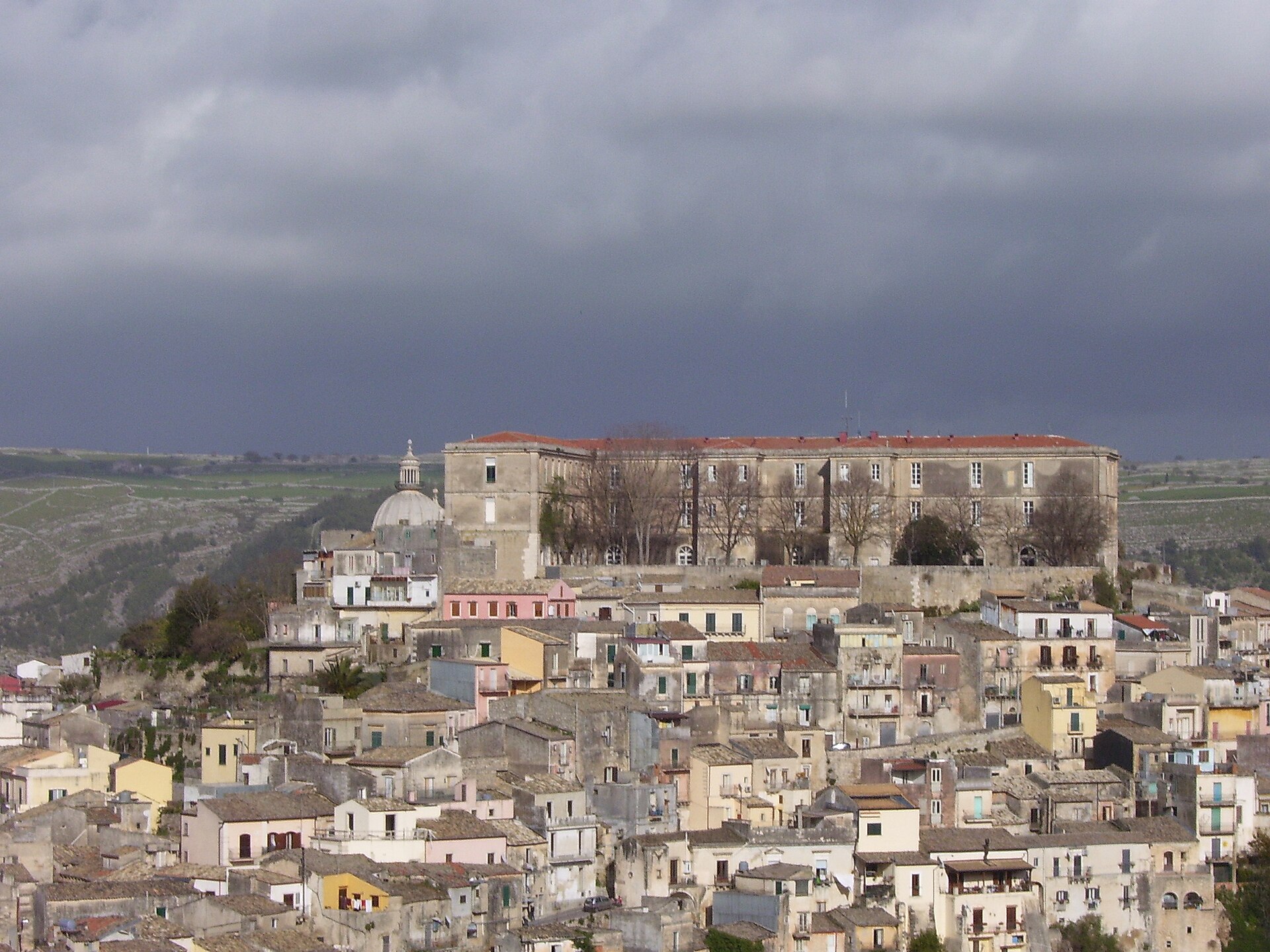
Imagine a city literally carved from the rocks, a place where every stone whispers a story of resilience and artistic grandeur. That is Ragusa, a jewel in the heart of Sicily, divided into two distinct souls: the modern Ragusa Superiore and the breathtaking Ragusa Ibla. After the devastating earthquake of 1693, Ibla rose like a phoenix, with an architecture unlike anything else in the world. It is this unique blend of history, culture, and Baroque splendor that makes a city walk through Ragusa so unforgettable. Prepare for a journey through time, along winding streets and imposing monuments that bear witness to a rich past.
Ragusa Ibla: A Baroque Dream Reborn
The core of Ragusa Ibla is a living museum, a Baroque dream carved from the rocks with unprecedented resilience. The architecture that emerged here after the 1693 earthquake is truly unique. As you wander through the streets, you'll encounter the Portal of San Giorgio, a Gothic masterpiece that miraculously survived the earthquake. Its detailed sculptures and elegant arch are a window to the past, a silent witness to Ragusa's resilience.
The beating heart of Ragusa Ibla is undeniably the Duomo di San Giorgio, an absolute masterpiece of Sicilian Baroque. The imposing staircase leading up to the church is a sight in itself, and the facade is a symphony of scrolls, statues, and intriguing details. This is a place that was rebuilt with unprecedented splendor after the earthquake, a symbol of the reconstruction and artistic flourishing that followed. Nearby, you'll find the Trenino Barocco Ragusa Ibla, a charming little train that offers a fun way to explore the winding streets and hidden corners of Ragusa Ibla, especially with the wind in your hair as you glide past the beautiful Baroque palaces.
The opulent world of 18th-century Sicilian nobility comes to life at Palazzo Cosentini, one of Ragusa Ibla's most flamboyant Baroque palaces. Notice the fantastic balconies, supported by grotesque figures and mythical beasts. Every detail tells a story of the immense wealth and status of the families who lived here. Another shimmering jewel of Baroque architecture is Palazzo Zacco, which now houses the city museum. This palace, with its lush balconies and detailed sculptures, tells the story of the wealthy Zacco family and Ragusa's artistic flourishing after the earthquake. Inside, you'll discover the fascinating history and culture of the Hyblaean region.
Play Ragusa right in your browser →
The Ancient Soul and Hidden Stories
Begin your exploration in the Giardino Ibleo, a green oasis that shines like a jewel in the heart of Ragusa Ibla. This garden, the oldest in the city, was laid out in the 19th century on the site of a former cemetery. With its majestic palm trees and views over the valley, it is a place of tranquility. Nearby, a simple but charming Fountain recalls the constant ingenuity required to bring fresh water to the residents, a lifeline for this hilltop city.
For a moment of serene reflection, step inside the Obsculta - Museo Benedettino, housed in a former Benedictine monastery. This museum immerses you in the daily life and rich history of the monks who lived here for centuries, with beautiful manuscripts and religious art. The Palazzo della Cancelleria embodies the administrative soul of Ragusa Ibla. While it may not have the most ostentatious Baroque facade, it played a crucial role in the city's daily governance, a silent witness to urban organization throughout the centuries.
To discover the deeper layers of Ragusa, a visit to the Museo Archeologico Ibleo di Ragusa is essential. Here, you'll delve deep into the roots of this fascinating region, from the earliest settlements to the Greek and Roman eras. The collection is impressive, with artifacts that tell stories of long-lost cultures and human history in Sicily. Finally, the Church of St. Mary of the Stairs marks the transition between old and new Ragusa. This church is a rare example of how different architectural styles harmoniously merged after the 1693 earthquake, featuring both Gothic and Renaissance elements, giving it a unique charm.
This article offers only a glimpse of the wonders Ragusa has to offer. The full walk through this fascinating city reveals many more stops, hidden details, and riddles that invite you to experience history and culture in an interactive way. For a complete and immersive discovery of Ragusa, choose the walk in the CityWalkGems app.
- 12 stops
- Museo Archeologico Ibleo di Ragusa start
- ~3,1 km route length
- ~662 m longest stretch
- about 1,5–2 h duration
- Free

.jpg)