
Also known as: Salvador da Bahia
Salvador da Bahia, a city that pulsates to the rhythm of its rich Afro-Brazilian heritage and the echoes of a colonial past, is a destination that stimulates your senses. From its vibrant squares to its majestic architecture, every corner tells a story. If you're wondering what to do in Salvador, prepare for a journey that gets deep under your skin, taking you through centuries of history, resilience, and undeniable joy of life. Let's explore the most iconic places of this fascinating city together.
Between Upper and Lower City: Salvador's Lifeline
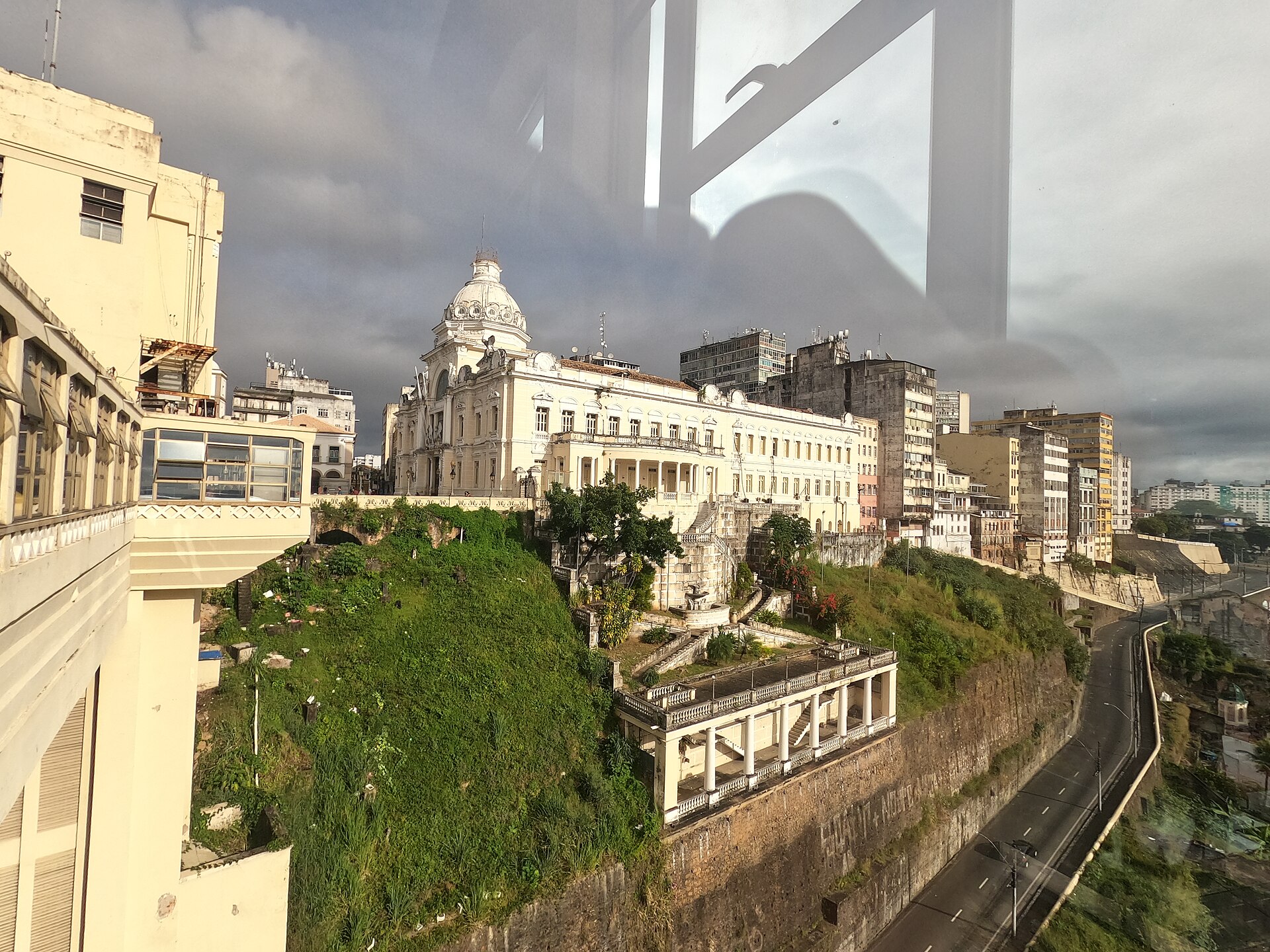
The unique topography of Salvador, divided into an upper and lower city, is spectacularly connected by the Elevador Lacerda. This 19th-century engineering feat, operational since 1873, bridges a height of 72 meters and offers a panoramic view over the vast Baía de Todos os Santos. It's more than just an elevator; it's a daily artery that keeps the city moving, transporting people and stories between the two levels.
Once downstairs, at the foot of the elevator, the bustling world of the Mercado Modelo opens up. This iconic building, which once served as a customs house, is now a treasure trove of local crafts, souvenirs, and the tempting aromas of Bahian cuisine. It's a place where Salvador's culture becomes tangible, a sensory explosion that invites you to wander among the stalls and soak up the local atmosphere.
Further on, like a crown jewel in the Baía de Todos os Santos, lies the São Marcelo Fort. This unique round 17th-century fort, built on a small reef, served as a crucial defense against invaders. It is the only round fort in all of Brazil and tells an impressive story of Salvador's strategic position as a port city throughout the centuries.
Where History Rises and Stories Live
Salvador's history is one of resilience and grandeur, clearly visible in its architecture. The Rio Branco Palace, originally the government palace, is a symbol of this resilience. After a devastating fire in 1912, the building rose even grander from its ashes, a testament to Bahia's unyielding spirit. Every stone here seems to tell a story of transformation and power.
In the heart of the historic center lies Largo Terreiro de Jesus, a lively square surrounded by beautiful churches and historic buildings. It's a place where the city's energy is palpable, where artists, vendors, and locals gather. From here, it's just a short walk to the Cathedral of Salvador, a jewel of 17th-century Baroque architecture. This former Jesuit church is a masterpiece of opulent decorations, with golden altars and intricate wood carvings that overwhelm the visitor. It's a place where art and spirituality converge in an experience that offers a glimpse into the past.
A modern addition to this historical landscape is the Fallen Cross Monument, designed by Mario Cravo Neto. This monument commemorates the demolition of old churches to make way for the modern Praça da Sé and invites reflection on change and the continuous evolution of the city, with a sweeping view over the Bay.
The Rhythms and Roots of Bahia
Salvador is inextricably linked to its rich cultural heritage, deeply rooted in African traditions. The Cidade da Música da Bahia, housed in a beautifully restored historic building, takes you on an interactive journey through the rhythms and melodies that make Bahia so unique. From samba to axé, every note tells a story of Salvador's soul.
The Cultural Afro Brazilian Museum, housed in a former Jesuit college, delves deeper into these roots. It shows the profound influence of African traditions on Brazilian identity, from religion to art and music, with an impressive collection of wooden Orixá statues. An unforgettable dive into a rich legacy.
The energy of the world's largest street party can be experienced at the Casa do Carnaval da Bahia. This museum is a lively ode to Salvador's iconic carnival, with colorful costumes, historical photos, and interactive displays that bring the history and magic of this event to life. It's a place to understand the deep cultural significance of carnival.
A beacon of hope and resilience is the Church of Our Lady of the Rosary of the Black People, recognizable by its beautiful blue facade. This church, built by and for the community of enslaved Africans and their descendants, is a profound symbol of their faith and struggle for freedom, with unique elements that blend African traditions with Catholic rituals.
Finally, in the iconic yellow house in Pelourinho, you'll find the Fundação Casa de Jorge Amado. This is a lively tribute to Bahia's literary giant, Jorge Amado, whose novels captured the soul of Brazil with stories of love, struggle, and the rich culture of its people. Inside, you'll find his personal belongings and manuscripts, in an atmosphere steeped in his creative spirit.
This selection of sights offers only a glimpse of the many treasures that Salvador has to offer. The city is full of hidden alleys, surprising views, and stories waiting to be discovered. For the complete experience, with even more stops, riddles, and hidden details, I invite you to choose the full Salvador walk in the CityWalkGems app.
- 12 stops
- Start anywhere
- ~3,0 km route length
- ~691 m longest stretch
- about 1,5–2 h duration
- Free

