
St Albans is a city that surprises you with its deep-rooted history at every turn. It's a place where the foundations of a Roman city are still tangible and where medieval architecture stands proudly, seamlessly interwoven with modern city life. Here, you don't just walk through a city; you embark on a journey through centuries of habitation, innovation, and culture. St Albans offers a unique glimpse into British history, from Roman times and far beyond, inviting you to discover its stories.
A Journey Through the Roman Past
The history of St Albans literally begins beneath your feet, in ancient Verulamium. A visit to the Verulamium Museum is the perfect start to immerse yourself in vibrant Roman life. Here you'll see mosaic floors, coins, jewellery, and even children's toys from the 2nd century, each object telling a story of a vanished city. The museum brings the Roman era to life and shows how advanced and lively Verulamium once was.
Near the museum lies the impressive Roman Theatre of Verulamium, the only Roman theatre in Great Britain with a visible orchestra pit. Imagine thousands of Romans cheering on the stone stands here, while actors performed on an open stage. The atmosphere of the past is almost palpable here. Not far from there, you'll find the Hypocaust & Roman Mosaic, where you can experience the coolness of Roman underfloor heating and admire a beautiful mosaic, each stone carefully laid. It's a direct link to the daily life of the Romans.
The presence of the Romans is palpable everywhere. The Roman Wall of St Albans winds like a rugged backbone through the landscape, with round arches and robust masonry that once protected the city. At the Roman Wall of St Albans (London Gate), you'll even discover an eagle, the symbol of Roman power, embedded in the massive stonework. These tangible reminders of the distant past are impressive. Amidst all these historical treasures, Verulamium Park offers a green oasis, where babbling water and birds make you forget the city for a moment, and where the Roman remains seamlessly blend into the landscape.
Medieval Majesty and Hidden Green Spaces
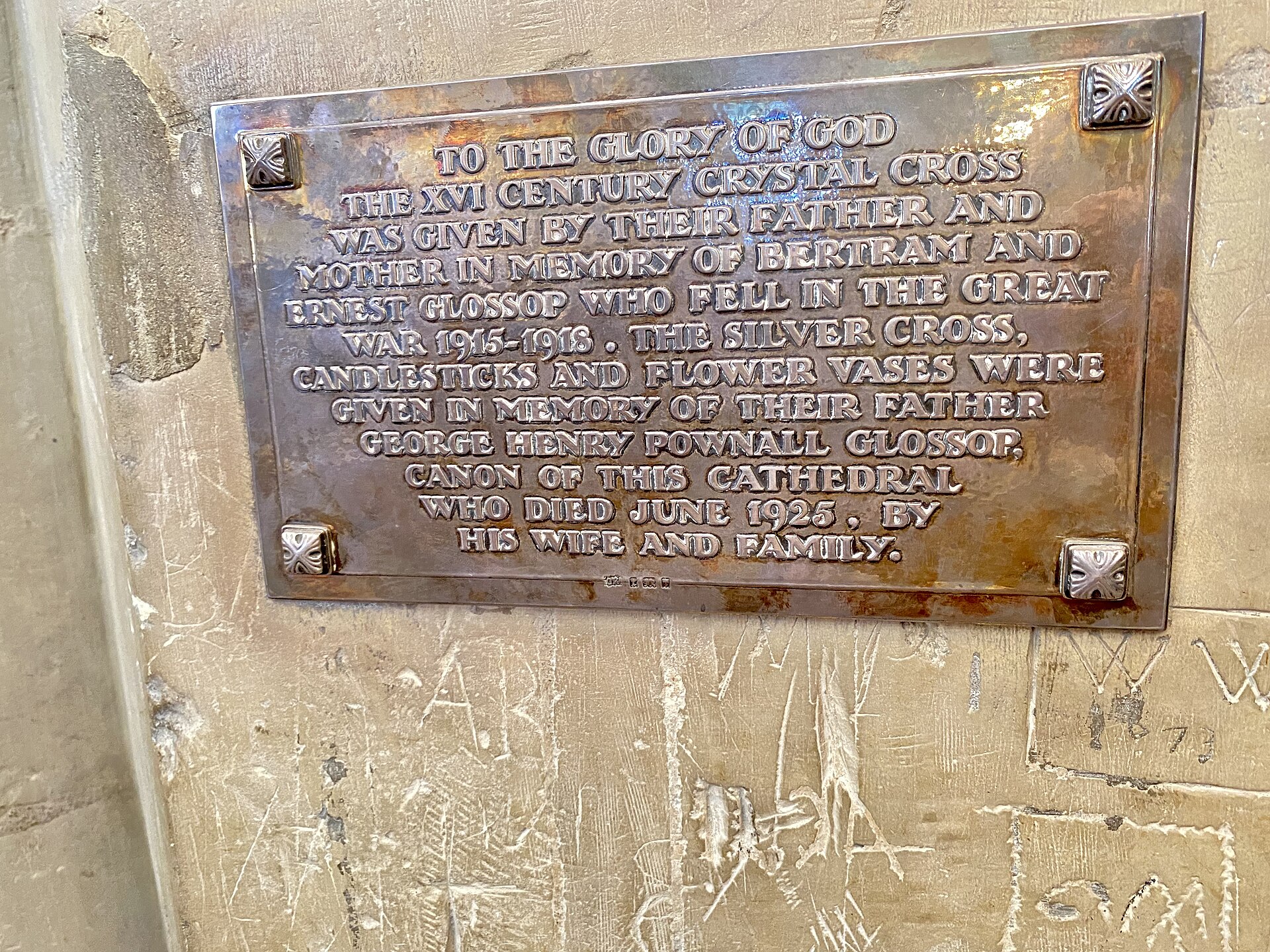
From Roman times, we leap to the Middle Ages, which also left a deep impression in St Albans. St Albans Cathedral is a monumental eye-catcher. The cathedral's nave is the longest in England and stretches endlessly. It's particularly noteworthy that parts of the cathedral were built with stones from ancient Verulamium, a beautiful connection between the two eras. The interior of the cathedral is colourful and vibrant, a testament to centuries of dedication and craftsmanship.
Another iconic medieval structure is The Clock Tower, a stone tower that suddenly rises among the shops and cafes. This is the only medieval clock tower in England that you can climb, and its clockwork has regulated city life for centuries. It's a unique opportunity to view the city from a historical perspective. The Great Gateway of the Monastery was once the main entrance to a powerful monastic complex. Its weathered stones and deep grooves of ancient doors tell stories of monks and pilgrims who began their adventure here.
For a moment of peace in the medieval atmosphere, there's the Vintry Garden. This hidden garden fills the air with the scent of herbs and flowers. In spring, daffodils shimmer among the greenery, while in summer, rose bushes fill the air with their sweet fragrance. Each season here has its own colour palette, a serene interruption from the urban hustle and bustle.
Where History and Present Merge
St Albans proves that history doesn't stand still, but is constantly in motion, blending with the present. The St Albans Museum + Gallery is a perfect example of this. Behind the stately facade of the old courthouse, you'll discover a colourful mix of history and modern art. You can admire Roman treasures alongside contemporary installations, a fascinating contrast. Even the stairs still creak as in bygone times, adding to the authentic experience.
Also on Concrete Square, old and new literally meet on the ground. This square looks modern, but beneath your feet, history lies in layers. The grey tiles form a sleek pattern reminiscent of Roman mosaics, a subtle nod to the past that is always present in St Albans.
This article offers only a glimpse of the rich history and many surprises St Albans has to offer. The full walk through this fascinating city contains many more stops, riddles, and hidden details waiting to be discovered. For a complete and interactive experience of St Albans, choose the walk in the 'CityWalkGems' app and let yourself be carried through the centuries.
- 12 stops
- ~3,9 km route length
- ~856 m longest stretch
- about 1,5–2 h duration
- Paid