
Also known as: Tutera
Far from the beaten paths of Spain's tourist hotspots lies Tudela, a city in Navarre waiting to be discovered. It is a place where history is etched into every stone, where cultures met, and where architectural masterpieces bear witness to a rich past. Tudela is not a city that screams for attention, but whispers stories to those willing to listen and look. A walk through this city is a journey through time, full of surprises and unexpected beauty.
Architectural Jewels: From Cathedral to Noble Palaces
Our exploration of Tudela begins with one of its most impressive structures: the Catedral de Tudela. This brick cathedral rises like a fortress above the city. Inside, a spectacular display unfolds: the vault, painted by monks, forms the largest painted interior in Europe, a heaven full of stars and saints. Next to the cathedral is the Palacio Decanal De Tudela, once the dean's residence. This building, seamlessly connected to the cathedral, is a treasure trove of religious art and showcases a fascinating mix of Gothic and Renaissance elements in its architecture.
The grandeur of Tudela is not limited to its religious buildings. The city houses a series of noble palaces that reflect the refined taste of yesteryear. The Palacio del Marqués de San Adrián is a Renaissance gem. Here, note the beautiful sgraffito decorations on the facade, a rarity in the region. Another spectacular Renaissance palace is the Casa del Almirante. Its opulent facade is richly adorned with coats of arms and delicate sculptures, emphasizing the wealth and influence of its original inhabitants, the Cabanillas family. A little further on stands the Palacio del Marqués de Huarte, a magnificent example of Baroque grandeur. The facade, with its impressive portals and coats of arms, tells stories of the noble families who lived here.
Ancient Echoes: Jewish Quarter and Defensive Works
Tudela's history is layered, and nowhere is that clearer than in the Judería de Tudela. Here, in the narrow, winding streets, you feel the echoes of centuries-old stories. This quarter was once the beating heart of Tudela's Jewish community, a place where history and mystery go hand in hand.
The city also bears the marks of its defensive past. The Alcazaba de Tudela, once a mighty Moorish fortress that protected Tudela for centuries, is now largely in ruins. Yet, you can still see the strategic location and the scale of this impressive stronghold, a place that speaks of defense and conquest. On a hilltop lie the ruins of the Castillo Viejo, Tudela's old castle. Many a knight and king stood here, looking out over the valley, and the silence here is powerful, as if history still breathes. Amidst the ruins of the Ermita de San Miguel de Afuera, a former hermitage outside the city walls, the wind whispers through ancient stones, a serene reminder of bygone times.
Tudela Today: Views and Vibrant Symbols
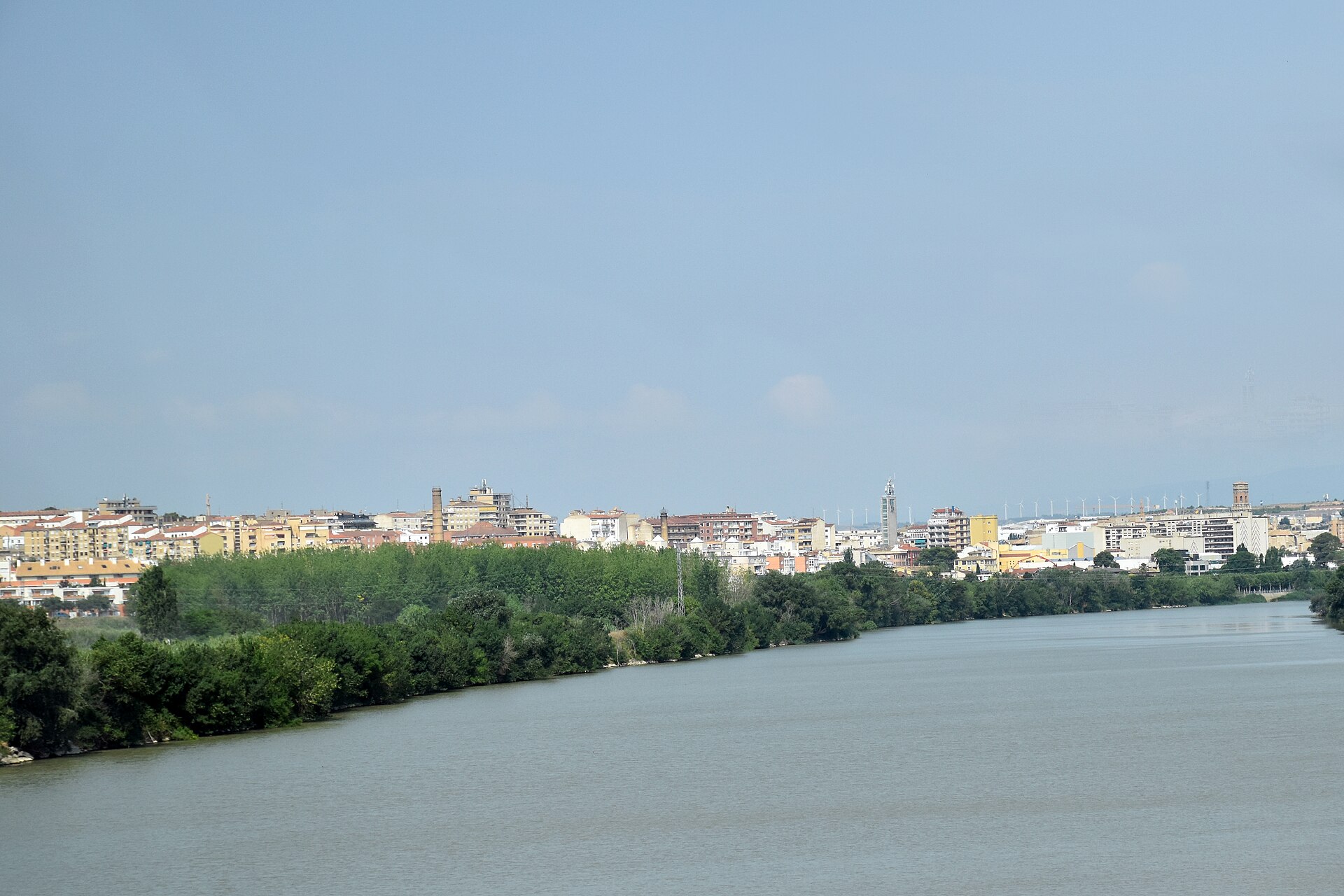
For a complete picture of Tudela, a visit to the Torre Monreal is essential. This iconic medieval watchtower, once crucial for the city's defense, proudly rises above Tudela and offers panoramic views of the city and its surroundings. The tower even houses a camera obscura, providing a unique perspective on Tudela's present and past. Another breathtaking viewpoint is the Mirador de la Mejana. From here, the fertile plain of La Mejana stretches out before you, fed by the majestic Ebro River, a peaceful escape from the city's hustle and bustle.
The modern energy of Tudela is evident in the bustling Plaza de los Fueros, where the iconic Letras de Tudela stand. These colorful letters are a vibrant symbol of the contemporary city and offer a cheerful nod to Tudela's future, while also serving as an invitation to experience the city's hospitality.
- 12 stops
- Start anywhere
- ~3,8 km route length
- ~700 m longest stretch
- about 1,5–2 h duration
- Free

.jpg)