
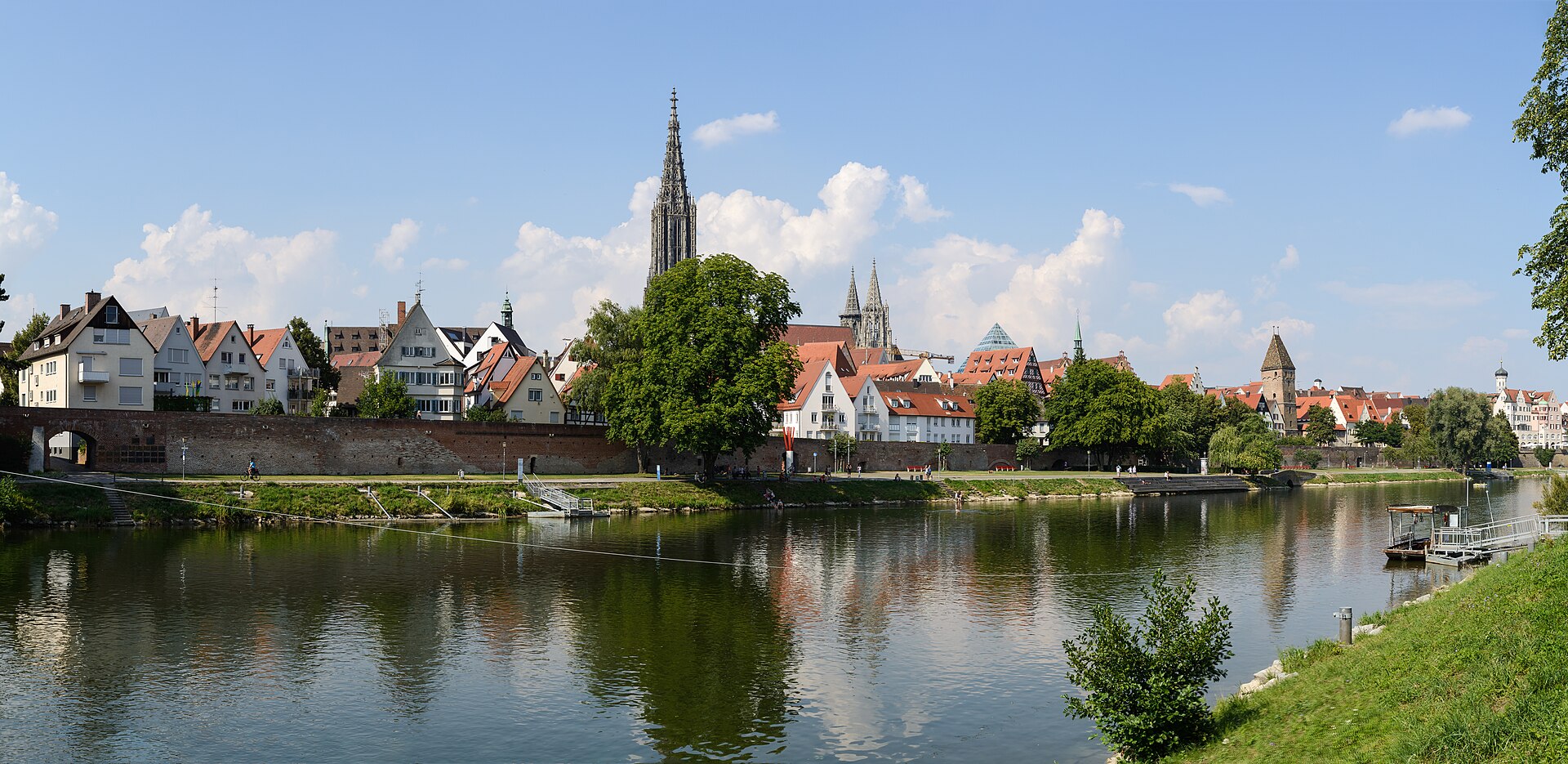
Ulm, a city on the Danube in southern Germany, is more than just a dot on the map. It's a place where ancient traditions go hand in hand with a vibrant atmosphere, and where history literally dominates the skyline. From the world's tallest church spire to picturesque fishermen's quarters, Ulm surprises with its unique character and a wealth of stories waiting to be discovered. Step into a city built on civic spirit and ingenuity, and let yourself be carried away by the charm of its streets and squares.
The Majesty of the Minster and the Beating Heart of the City
Every exploration of Ulm inevitably begins at the Ulmer Münster. Look up, deep into the sky, and you'll feel small at the sight of this brick giant. With a dizzying height of 161.53 meters, it's not just a church; it's a monumental achievement of human will and craftsmanship, built by the citizens of Ulm themselves. The space and light inside are overwhelming and leave a lasting impression.
Directly in front of the Minster stretches the Münsterplatz, the beating heart of Ulm. This square is where centuries-old history and modern vibrancy converge. Here you feel the grandeur of the Minster and the energy of the city. The square has seen everything from markets to festivals and is a central meeting place.
Also on Münsterplatz is the St. George's Fountain, a work of art that has been telling stories for centuries. Look closely at St. George slaying the dragon – a timeless symbol of courage and victory. Every detail of the fountain seems to whisper a story, where history and legend converge. Hidden in a quiet corner of Münsterplatz, you'll find the Hildegard Fountain, a gem from 1591. This is one of Ulm's oldest fountains, named after the influential Hildegard of Bingen. Its delicate details and serene atmosphere make it a peaceful spot to escape the hustle and bustle.
Where Tradition and Craftsmanship Meet
From the grandeur of Münsterplatz, you dive deeper into history, to places where Ulm's identity was formed. The Schwörhaus is a striking example of this. This building is the heart of Ulm's democracy. Every year on Schwörmontag (Oath Monday), the mayor renews the oath to the city constitution here, a tradition dating back to the Middle Ages. It symbolizes Ulm's freedom and self-governance, a place full of meaning that shows how a city holds onto its history.
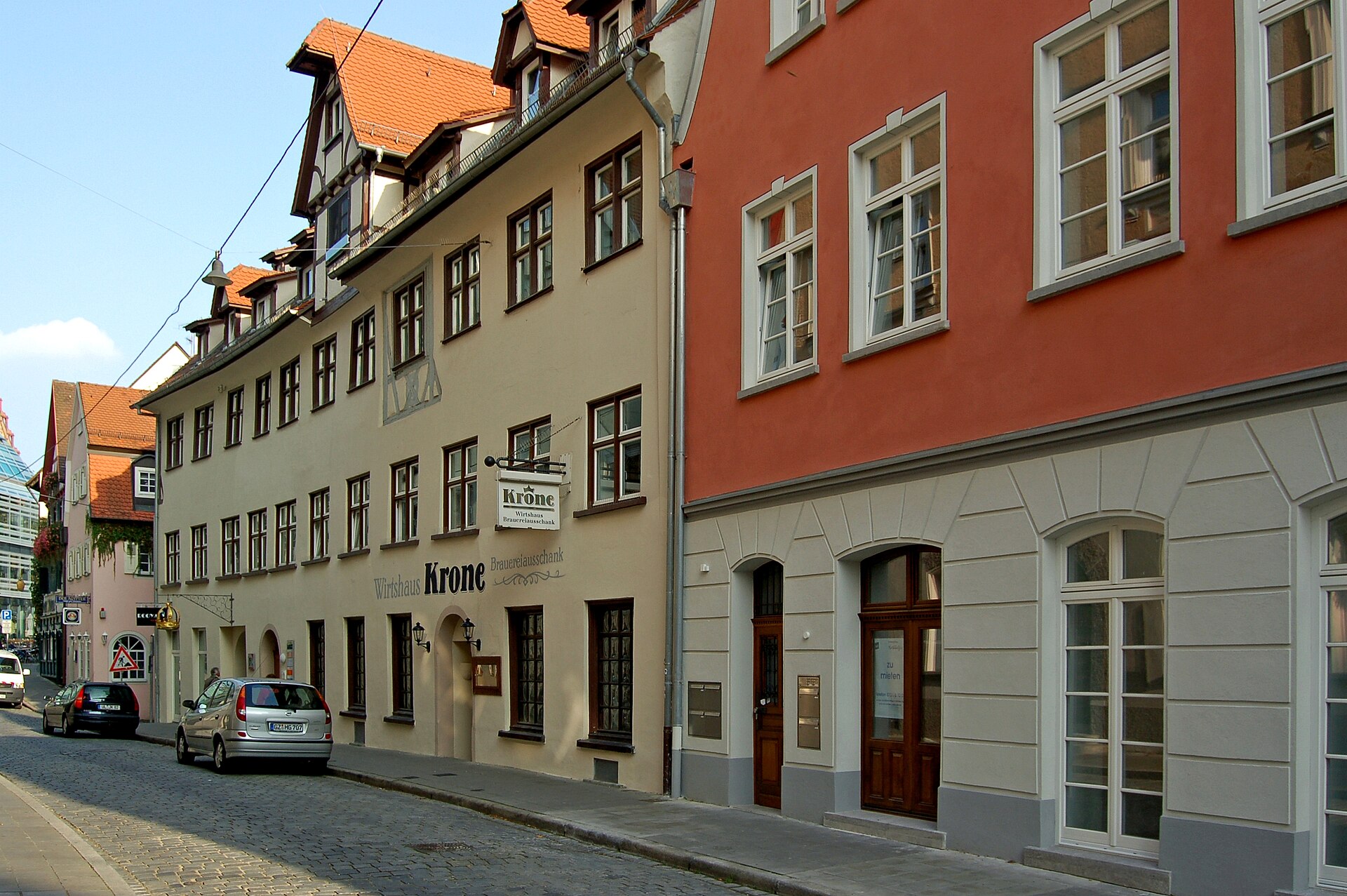
Near the Schwörhaus, you step into the enchanting Old Town of Ulm (Altstadt). Here, every alley tells a story, and time seems to slow down. The charming half-timbered houses with their flower boxes create an idyllic atmosphere. It's like walking through a living history book, a labyrinth of history where you can discover the hidden beauty of old Ulm. In this district, you'll also find the oldest houses of Ulm, silent witnesses to a rich past. These buildings have survived centuries, including wars and city fires, and tell much about daily life in the Middle Ages. They are a tangible link to the people who lived and worked here long ago.
A charming detail in the Old Town is the Schwal-Denkmal (Swallow Monument). This monument honors the Ulmer Spatz, the sparrow that inspired the builders of the Minster. It's a story that gives the city character, a tribute to a bird that symbolizes ingenuity and the spirit of Ulm.
Along the Danube: Old Walls and New Stories
Ulm's history is inextricably linked with the Danube. The Fischerviertel, the old fishermen's and tanners' quarter, is a beautiful example of this. Stroll along the picturesque canals and admire the half-timbered houses hanging over the water. It feels like you've stepped into a fairytale, full of charming bridges and hidden nooks waiting to be discovered.
Along the river, you'll also find the imposing city walls of Ulm. These walls protected Ulm for centuries against invaders. Walk along the Danube and feel history beneath your feet. The views from here are expansive, and you feel the power of the city. The walls are not only a defensive structure but also a viewpoint over the river and the city.
A place with a surprising past is the Saumarkt (Pig Market). This was once the bustling center of Ulm's pig trade, where farmers sold their animals. Today, it's a quiet square, but the history of trade and daily life from yesteryear is still palpable here.
The journey along the Danube ends at the Danube Swabian Central Museum (Donauschwäbisches Zentralmuseum), an architectural statement on the river. This modern building tells the fascinating history of the Danube Swabians, an ethnic German population group with a unique heritage. Its clean lines and use of light are impressive, and the museum presents history in a contemporary and respectful manner.
Ulm is a city that invites you to wander, discover, and be surprised by its many faces. From the towering Minster to the intimate alleys of the Old Town and the serene banks of the Danube, every corner has a story. This article offers just a glimpse of the richness Ulm has to offer. The full walk through this captivating city contains many more stops, riddles, and hidden details waiting to be discovered by you in the 'CityWalkGems' app.
- 12 stops
- Start anywhere
- ~3,4 km route length
- ~580 m longest stretch
- about 1,5–2 h duration
- Free

