

Also known as: Utreque
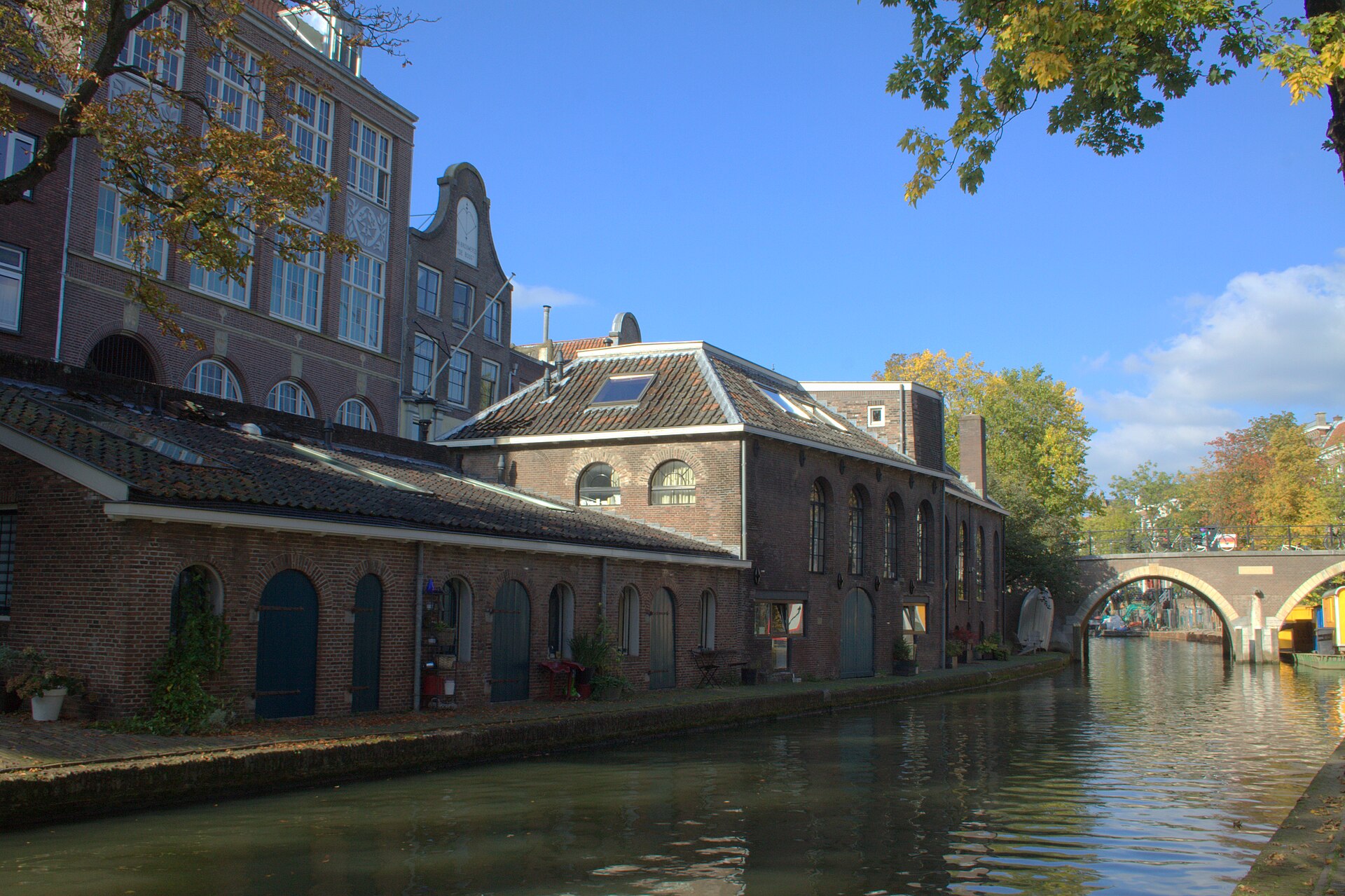
Utrecht, a city where history is tangible and at the same time a vibrant, modern energy is palpable. It's a place where centuries-old stories unfold along the canals and in the narrow alleys, and where architectural masterpieces from different eras stand side by side. Forget the clichés; Utrecht invites you on a journey of discovery that goes deeper than the surface, past iconic landmarks and surprising hidden gems.
The Beating Heart: Canals, Tower, and Medieval Secrets
Begin your exploration at Neude, a lively square home to the former main post office. This impressive building, designed by Joseph Crouwel Jr., is famous for its cathedral-like hall with parabolic arches. What was once a central communication hub has now been transformed into a modern library, a dynamic shopping area, and a beloved meeting place, where past and present seamlessly merge.
From Neude, it's a short walk to the Oudegracht, Utrecht's undisputed lifeline. Here you see the city's unique concept in full glory: above are lively shops and streets, while below, the characteristic wharves and wharf cellars lie directly on the water. In the Middle Ages, goods were rolled directly from the quays into storage here, and these cellars still tell the stories of a rich and bustling trading past.
The Dom Tower, the undisputed king of the Utrecht skyline, dominates the cityscape with its imposing presence. A climb to the top rewards you with a spectacular view over the city and the surrounding area. The tower remarkably stands separate from the Dom Church, a consequence of a devastating storm in 1674 that caused the church's nave to collapse, forever separating the tower and the church. Right next to the Dom Church lies the Pandhof van de Dom, one of Utrecht's most beautiful hidden spots. This medieval cloister garden, with its Gothic arches and carefully maintained herb garden, offers a welcome and tranquil respite in the busy city center, with a magnificent view of the majestic Dom Tower.
Not far from there stands Paushuize, one of Utrecht's most unique city palaces. This historic building was constructed in 1517 as a residence for Adriaan Floriszoon Boeyens, who would later become Pope Adrian VI. Tragically, he died in Rome before he could actually live there, giving the building an almost mythical aura and a unique place in Utrecht's history. Another intimate courtyard is the Bruntenhof, the communal garden of the Bruntskameren. Frederik Brunt had these fifteen small dwellings built in 1621 for poor widows, and the intimate garden and old facades create a truly hidden-courtyard moment, full of peace and history.
Play Utrecht right in your browser →
From Green Oases to Architectural Icons
Utrecht houses more than just its famous monuments; it is also a city of green surprises and architectural progressiveness that you can discover in a unique way. Behind the conservatory lies the Pandhof Sinte Marie, a quiet inner garden with a serene cloister. This is the last visible remnant of the medieval Mariakerk. Amidst Marian plants, herbs, and old stones, the busy city center suddenly feels far away here, an oasis of calm.
Another green oasis is the Oude Hortus, hidden behind the walls of the old university. This garden is rich in special plants, including a monumental Ginkgo biloba approximately 260 years old, which is one of the garden's main attractions.
The Sonnenborgh Observatory offers a unique dual location: a robust 16th-century defensive bastion topped with a 19th-century observatory. The thick walls, characteristic domes, and imposing telescopes make this a strong visual point on the route, where ancient fortifications and the science of the cosmos converge.
A little further on, you reach the Railway Museum, housed in the beautifully restored Maliebaan Station from 1874. The painted vestibule, authentic old waiting rooms, and historic carriages bring the 19th-century travel world back to life in a vivid and immersive way, a true journey through time.
The park, opened in 1898 and designed in English landscape style by garden architect Henri Copijn, was later recognized as a national monument and offers a serene break from urban hustle and bustle with its winding paths and lush greenery.
The walk culminates at the Rietveld Schröder House, the architectural exclamation mark of De Stijl. Designed in 1924 by Gerrit Rietveld in close collaboration with Truus Schröder, this house, with its sliding planes, primary colors, and flexible living spaces, has become world-famous and recognized as a UNESCO World Heritage site. It is a revolutionary statement in architectural history.
This selection of Utrecht's treasures shows only a fraction of what the city has to offer. The full walk through Utrecht reveals many more stops, riddles, and hidden details that will take you on an unforgettable journey of discovery. Are you ready to dive deep and experience Utrecht in a unique way? Then choose this walk in the 'CityWalkGems' app and let yourself be surprised.
- 10 stops
- Start anywhere
- ~3,6 km route length
- ~607 m longest stretch
- about 1,5–2 h duration
- Paid

