
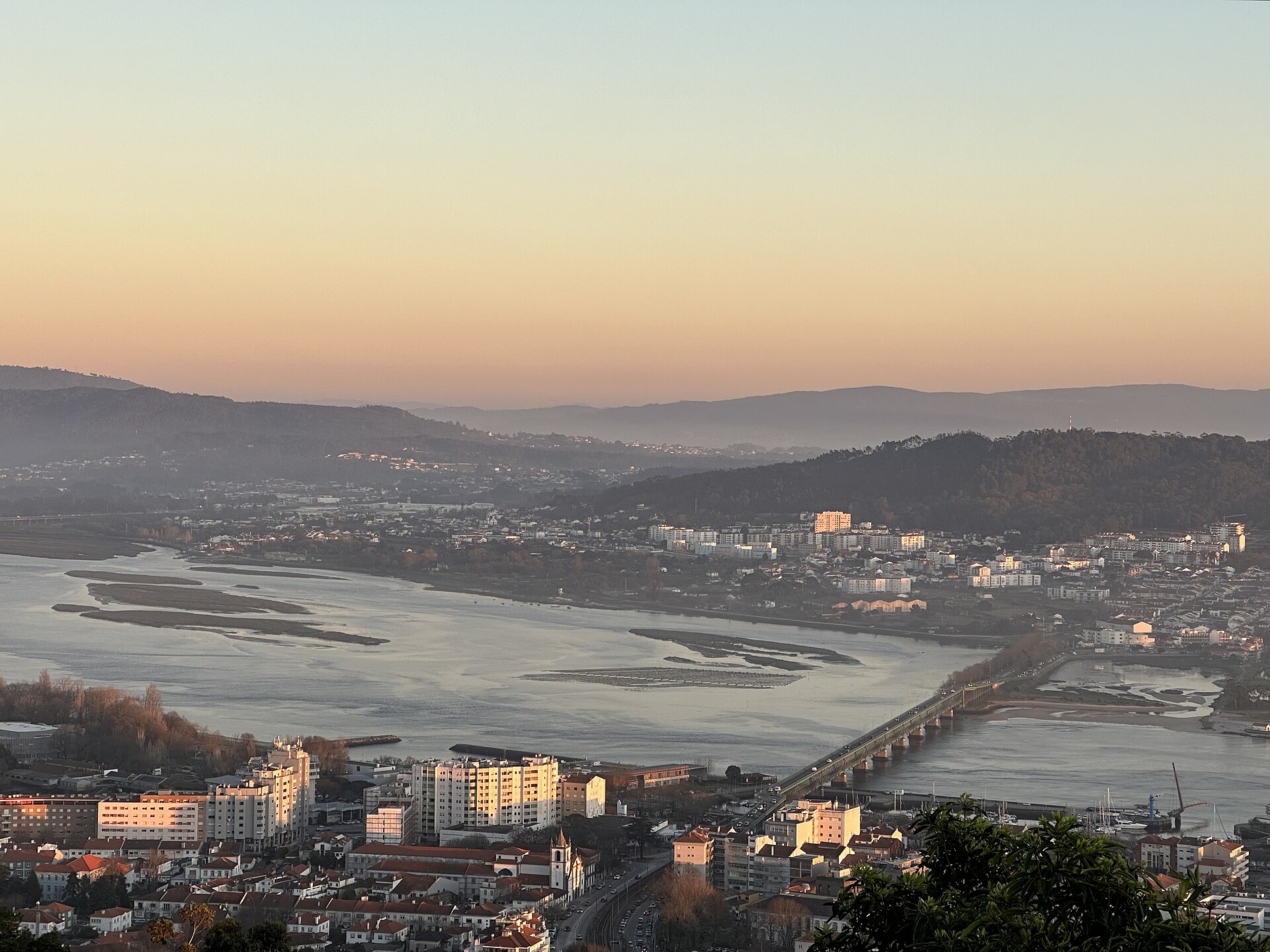
Viana do Castelo, a city where the Lima River meets the Atlantic Ocean, breathes a unique blend of maritime history, rich traditions, and a progressive cultural spirit. It's a place where every street corner tells a story, from the brave sailors who navigated the world's seas to the artists who capture the soul of Portugal in gold and fabric. A walk through Viana do Castelo is a journey through time, past architectural masterpieces and cultural treasures that give the city its unmistakable character.
Viana's Maritime Soul and Modern Impulses
The exploration of Viana do Castelo often begins with its deep connection to the sea. Step aboard a true maritime hero at the Gil Eannes Foundation. The Gil Eannes, once a floating hospital that served the Portuguese cod fleet in the distant North Atlantic, now lies here as a museum. The ship provided essential medical care and comfort to countless sailors working under harsh conditions. It's a unique journey back in time to walk through the operating room and feel the history. Viana's deep connection to the sea is further emphasized by the Estátua de Viana. This elegant figure, often gazing out over the Atlantic Ocean, embodies the spirit of discovery and resilience that defines Viana do Castelo. It's a powerful reminder of the city's maritime heritage.
Opposite these historical and maritime elements stands the striking Cultural Center of Viana do Castelo. This modern landmark, designed by architect Eduardo Souto de Moura, is a bold statement of Viana do Castelo's vibrant cultural pulse. The building beautifully contrasts with the city's historic core, yet feels perfectly at home as a place where art, music, and ideas converge, a beacon for contemporary expression.
A Dive into the Historic Heart and Vibrant Traditions
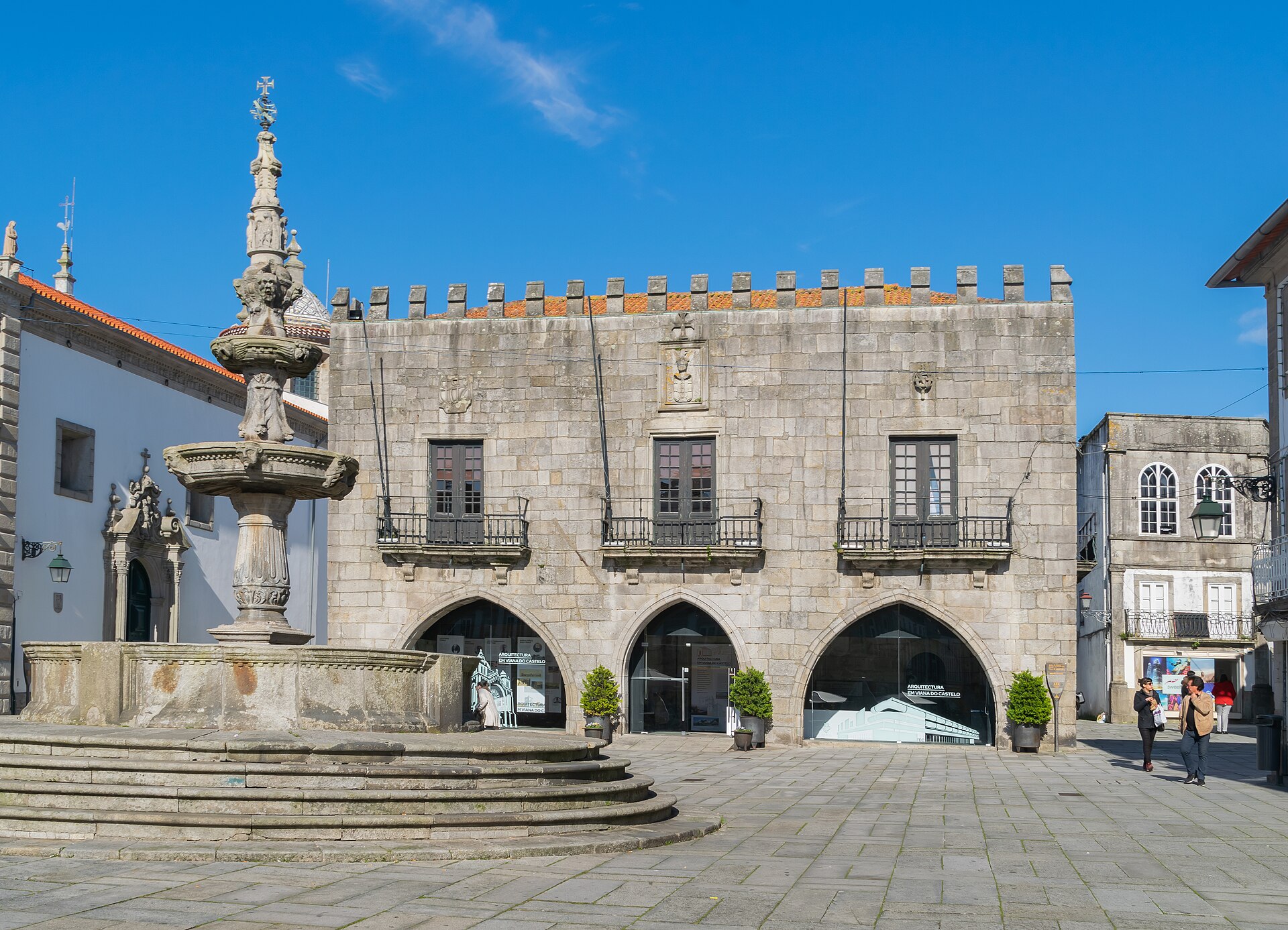
The beating heart of Viana do Castelo can be found in the beautiful Praça da República, the Historic Center. Surrounded by Renaissance buildings and dominated by the Chafariz fountain, this square has been the city's social and commercial hub for centuries. The square was for centuries the scene of markets, festivals, and daily life, and still breathes that lively history.
Not far from here stands the Monumento ao 25 de Abril, carrying the echoes of freedom. This monument commemorates the Carnation Revolution of April 25, 1974, a crucial moment when Portugal peacefully transitioned to democracy. Its powerful design, featuring the iconic red carnation, symbolizes hope and the end of authoritarian rule. It's a tribute to an inspiring moment in history.
Viana's rich traditions come alive in the Museu do Traje de Viana do Castelo (Costume Museum). This museum is a treasure trove of Viana's iconic regional costumes, where every stitch tells a story of heritage and festivity. The collection showcases everything from intricate embroidery to shimmering gold filigree, with each garment being a work of art in itself and telling a story of heritage and festivity. Another deeply interwoven symbol in the city's cultural fabric is the iconic 'Coração de Viana', the Heart of Viana. This intricate filigree design, often made of gold, represents love, devotion, and the rich artistry of Portuguese jewelry. It's a symbol that reflects the soul of Viana.
During your walk through the city, you'll also encounter hidden gems such as the Casa dos Velhos, or 'House of the Elders'. Its distinctive architecture, with a stone facade and traditional elements, offers a glimpse into the city's rich residential history. It's a testament to the enduring beauty of Portuguese craftsmanship. Another architectural jewel is the Casa dos Nichos, one of Viana do Castelo's oldest surviving civil buildings. Its name, 'House of the Niches', comes from the arched recesses on its facade, which were once adorned with statues. This building offers a fascinating look into Viana's medieval and early modern urban life.
Sweet Stories and Ingenious Constructions
For a sweet escape, visit the Museu do Chocolate (Chocolate Museum). This museum explores Portugal's role in the global chocolate trade, from its origins to its transformation into the delicacies we love today. The museum offers a journey that stimulates the senses and sparks the imagination, revealing the rich history of chocolate in relation to Portugal.
Conclude your exploration with a look at an engineering marvel: the Ponte Eiffel. Designed by Gustave Eiffel's workshop, this bridge majestically spans the Lima River, connecting Viana do Castelo with its south bank. Its intricate ironwork and imposing structure are a testament to 19th-century industrial innovation and the craftsmanship of Eiffel's atelier.
This description is just a taste of the many faces of Viana do Castelo. The city still harbors countless other hidden alleys, surprising details, and captivating stories waiting to be discovered. To experience the full depth of this beautiful city, with all its stops and riddles, I invite you to choose the complete Viana do Castelo walk in the CityWalkGems app. Let yourself be guided and discover Viana in a unique way.
- 12 stops
- ~3,8 km route length
- ~641 m longest stretch
- about 1,5–2 h duration
- Paid