
Above the River and Among the Columns
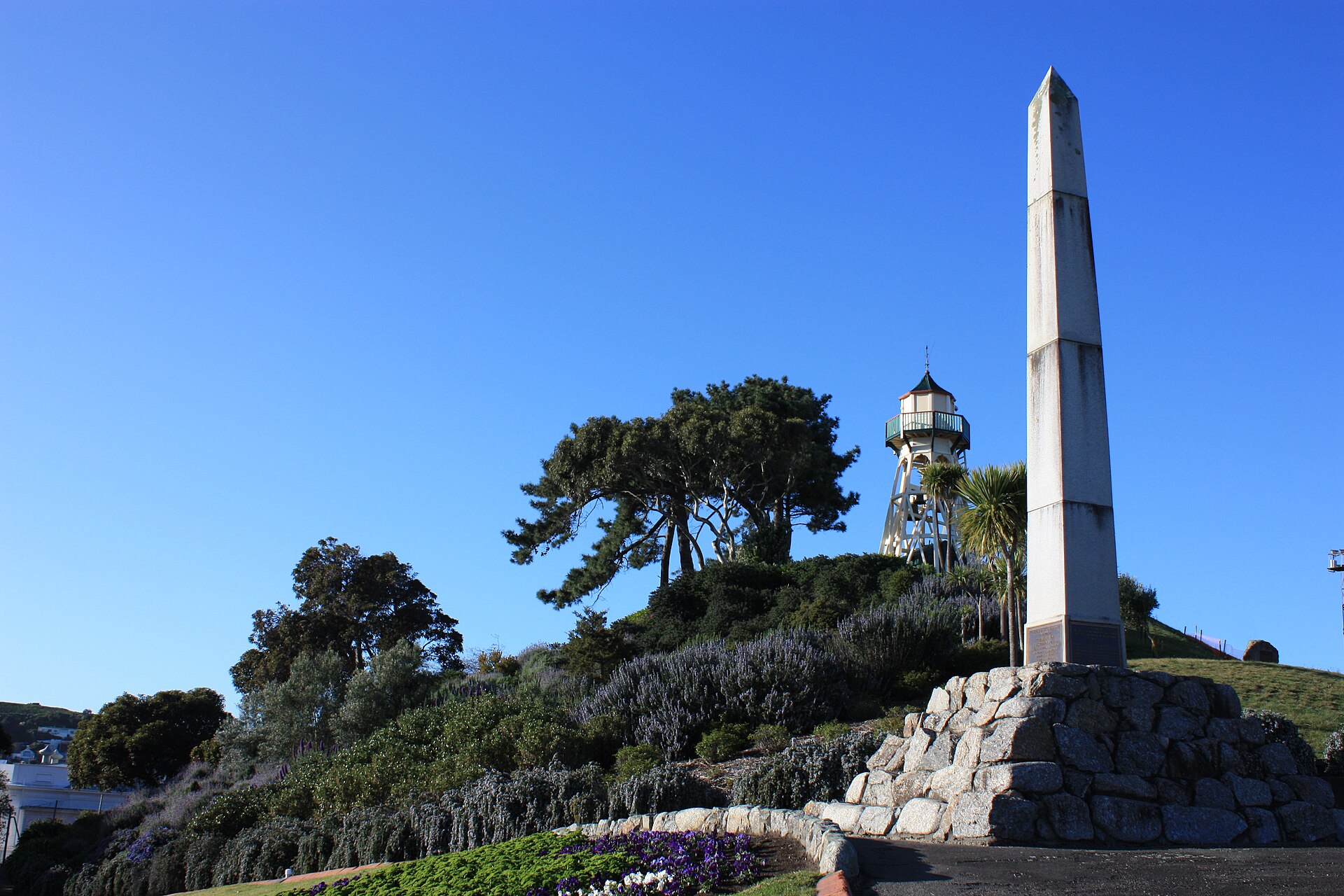
The exploration of Whanganui often begins with a gaze upwards, towards the iconic War Memorial Tower. This impressive war memorial not only offers one of the most spectacular views of the city but is also the only war memorial in New Zealand with a working lift that takes visitors to the top. Once at the summit, a panorama unfolds, encompassing the city's history and the winding Whanganui River.
The path to these heights can also be taken on foot via the Durie Hill Steps. These 176 steps form an iconic connection between the river and the hilltop, a daily challenge for many and a reward for anyone who completes the climb with a magnificent view as a result.
Another architectural highlight dominating Whanganui's skyline is the Te Whare o Rehua Sarjeant Gallery. This building is an example of neoclassical grandeur, with its iconic dome and stately columns. Inside, it houses a collection of New Zealand and international art, making it a temple for art appreciated both locally and internationally.
The Lifelines of Yesteryear
Whanganui's history is closely linked to transport and community care. The Whanganui Tramways Museum brings the past to life with beautifully restored trams. Here, you can imagine how these iron giants once traversed the streets and were an essential part of city life. The dedication with which these old machines are maintained is a testament to local pride.
Not far from there, the Riverboat Museum celebrates the glorious history of the Whanganui River, which was once the region's lifeline. The highlight is the majestic PS Waimarie, New Zealand's last operational coal-fired paddle steamer. It is a living piece of history that tells the stories of trade and travel on the river.
The city also houses more modest, but equally important historical sites, such as the Original Plunket Building. This building represents a quiet revolution in child care, as the home of an organization that pioneered the health and well-being of babies and mothers in New Zealand. It is a place full of stories of care and hope. An oasis of calm in the heart of the city is the Watt Memorial Fountain, unveiled in 1891. This fountain is a tribute to James Watt, an important benefactor of Whanganui, and stands out for its intricate details and classic elegance.
Art, Heritage, and Homage
The cultural richness of Whanganui is expressed in various museums and monuments. The Whanganui Regional Museum is a treasure trove of stories, preserving the rich history and culture of the region, from Māori heritage to European settlement. Inside are breathtaking Māori carvings and artifacts that take visitors on a journey through time.
For art lovers, the Quartz Museum of Studio Ceramics offers a unique experience. This is the only museum in New Zealand entirely dedicated to contemporary studio ceramics, showcasing the transformation of clay into works of art, from delicate vases to bold sculptures.
A musical jewel is the Queens Park Carillon, with its 47 bronze bells spreading melodies over the park and the city. It is one of the few carillons in New Zealand and a gift to Whanganui that has brought joy for generations.
Whanganui also honors those who made sacrifices. The NZ war memorial is a place of reflection, where names of those who gave their lives for freedom are carved in stone. The Wanganui Cenotaph, with its four guarding figures, is a powerful reminder of courage and a place for contemplation and gratitude. Both monuments invite silence and reverence.
- 12 stops
- Start anywhere
- ~3,1 km route length
- ~489 m longest stretch
- about 1,5–2 h duration
- Free

.JPG)