
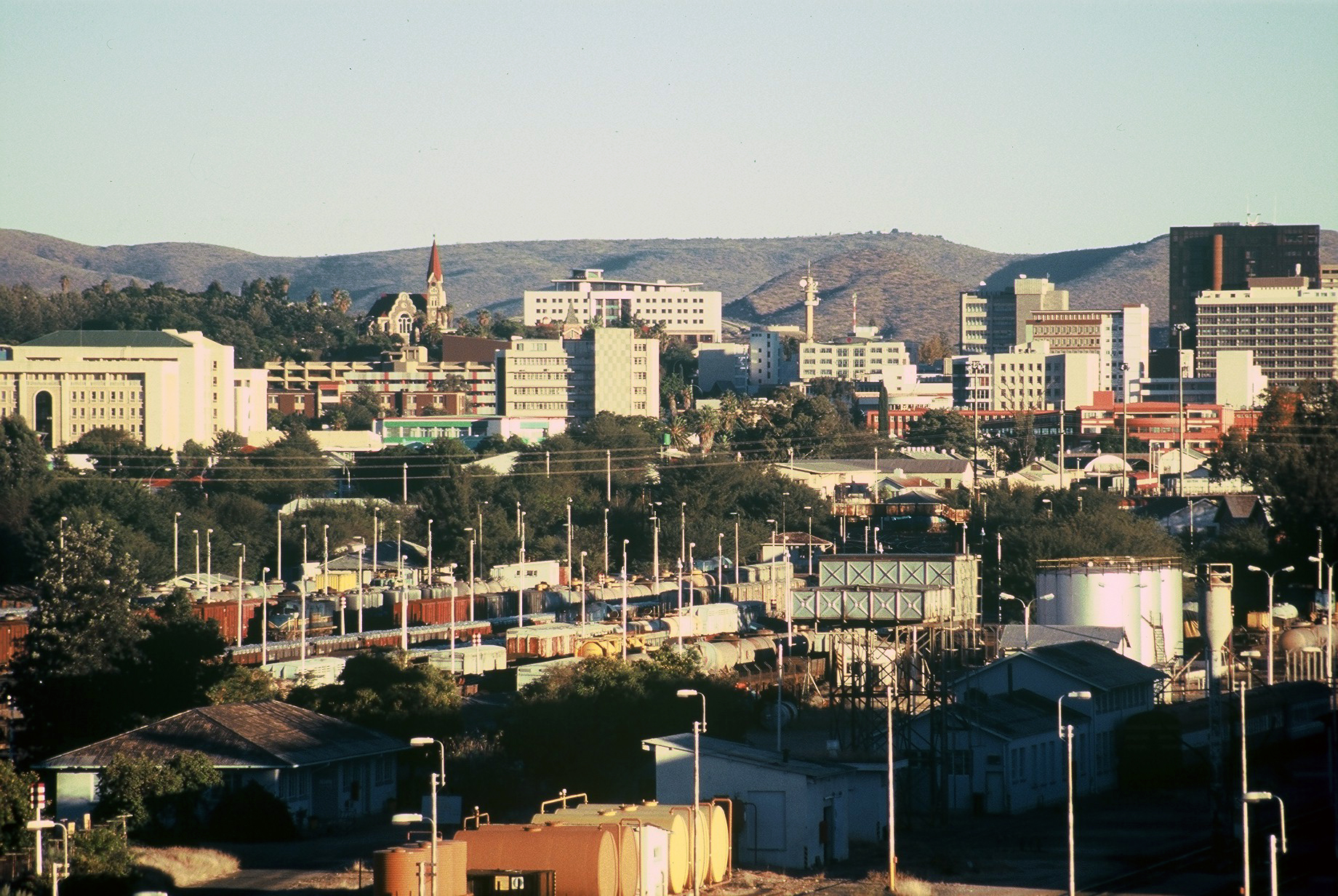
Windhoek, the capital of Namibia, is more than just a gateway to the country's vast landscapes. It is a city with its own character, where the echoes of a complex past merge with a vibrant, contemporary culture. Here, German colonial architecture meets the African spirit, and crafts and monuments tell the story of a developing nation. A walk through Windhoek reveals the layers of this fascinating city, from bustling markets to serene viewpoints.
Where Tradition and Craft Flourish
The creative energy of Windhoek is palpable in its diverse craft centers. The Namibia Craft Centre, housed in the historic buildings of a former brewery, is a place where local artisans display their creations. Here, one discovers various handmade objects, each with its own character.
At the Craft Market on Independence Avenue, one experiences the heartbeat of the city. This open-air market is an explosion of colors and sounds, where handmade jewelry, wood carvings, and textiles can be found directly from the makers. It is a place of lively trade and cultural exchange.
Namibia's artistic expression is further celebrated in the National Art Gallery of Namibia. This dynamic space showcases the country's creativity and diversity, with works ranging from traditional to contemporary art. It is a window into the nation's cultural identity, expressed in color and form.
Play Windhoek right in your browser →
Echoes of the Past: From Colony to Independence
Windhoek bears the traces of its history, visible in its architecture and monuments. High above the city, Schwerinsburg towers, one of three castles built here during the German colonial era. Although now a private residence, its architecture tells a story of a bygone era.
The city's history itself comes alive in the Windhoek City Museum. Housed in a charming old building, the museum tells the story of Windhoek, from its early settlements to the modern metropolis. Here, one discovers the people and milestones that have shaped the city.
The National Museum of Namibia, with its curation and administration building, is where the country's stories are collected and preserved. It forms an essential hub for understanding this nation.
The struggle for freedom and independence is commemorated at the Gedenkstatue Freiheitskampf (Freedom Struggle Memorial). This monument is a place of reflection, honoring the courage and sacrifices of countless people. It is a powerful symbol of national pride and resilience. Nearby stands the imposing Sam Nujoma statue, a tribute to the Founding Father of Namibia, who led the country to independence and became its first president. It stands as a beacon of hope and a reminder of the long road to self-determination.
City Icons and Cosmic Wonders
The city also has its own recognizable landmarks and unique attractions. The Clock Tower, located at one of Windhoek's busiest intersections, is a recognizable beacon and a beloved meeting point. The tower, with its architecture, marks the heartbeat of the city.
In Post Street Mall stand the Meteorites, fragments of the Gibeon meteorite that crashed to Earth millions of years ago. These extraterrestrial visitors tell a story of the universe and the deep history of our planet, a unique connection to the infinite.
Namibia's natural beauty is celebrated with the Kudu Statue. This bronze sculpture celebrates one of the country's most iconic antelopes, a symbol of the rich fauna that characterizes Namibia's landscapes.
Finally, from the '3 Circles viewpoint', a panorama unfolds over Windhoek and the surrounding hills. This viewpoint is also an example of modern landscape architecture and offers an overview of the city.
This selection of places gives an impression of Windhoek's versatility. However, the full walk through the city reveals even more hidden details, stories, and surprises waiting to be discovered. Choose the Windhoek walk in the CityWalkGems app and let yourself be guided through the fascinating streets of this Namibian capital.
- 12 stops
- Schwerinsburg start
- ~5,3 km route length
- ~843 m longest stretch
- about 2–2,5 h duration
- Free

