
Also known as: Hansestadt Wismar
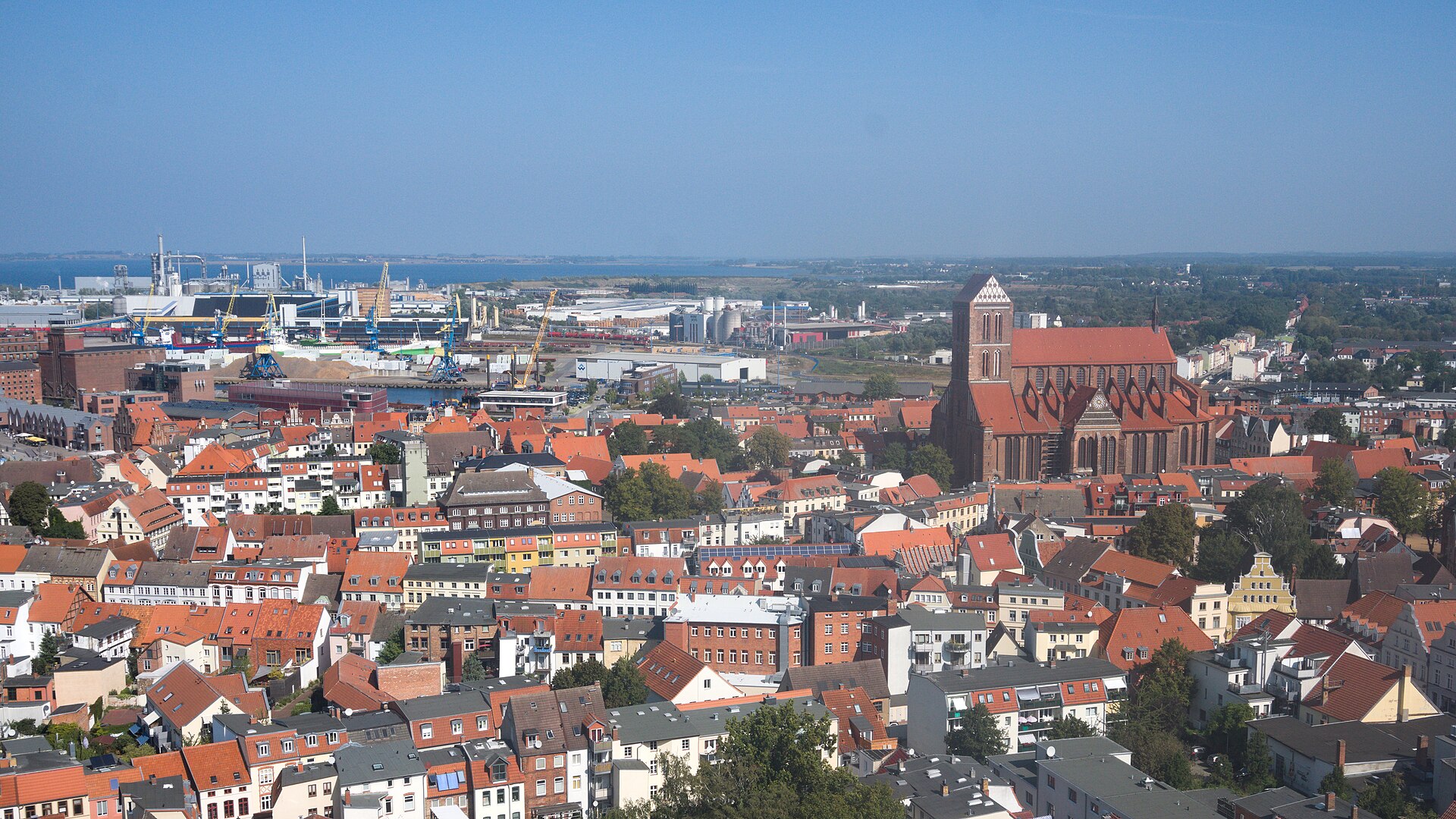
Wismar, a name that resonates with the echoes of sailors, merchants, and centuries of trade. This city on the Baltic Sea is more than just a destination; it's a living museum, a place where history is not only told but also felt. From the salty air of the harbor to the brick churches dominating the skyline, Wismar invites you on a journey of discovery that takes you back to the glory days of the Hanseatic League.
The Maritime Soul: Where the Hanseatic League Comes Alive
The journey through Wismar inevitably begins by the water, at the Old Harbor. Here you breathe in the salty air and imagine how ships docked for centuries, laden with spices, salt, and beer. Wismar's Old Harbor was the city's lifeline, a center of trade and maritime adventures. It is a place where past and present converge by the water.
Near the harbor stands the Wassertor, Wismar's last remaining city gate. This structure once protected the city from invaders from the water and is a reminder of the Hanseatic era, when Wismar was a powerful trading city. It tells stories of defense, trade, and daily life through the centuries.
Walking along the waterfront, you'll encounter one of Wismar's most photographed houses: the House above the water. It seems to float above the Runde Grube, supported by ancient wooden piles. This house, once a fish warehouse, tells the story of Wismar's maritime past and the ingenious construction methods of yesteryear. It is a piece of architecture that has stood the test of time. The connection to the water is palpable everywhere, even at the southernmost point of the Baltic Sea, a special place that emphasizes Wismar's unique geographical location. Here, the air is often clear and the views over the water are endless, a place that highlights Wismar's connection to the sea in a very special way.
The Beating Heart: Squares, Alleys, and Stories
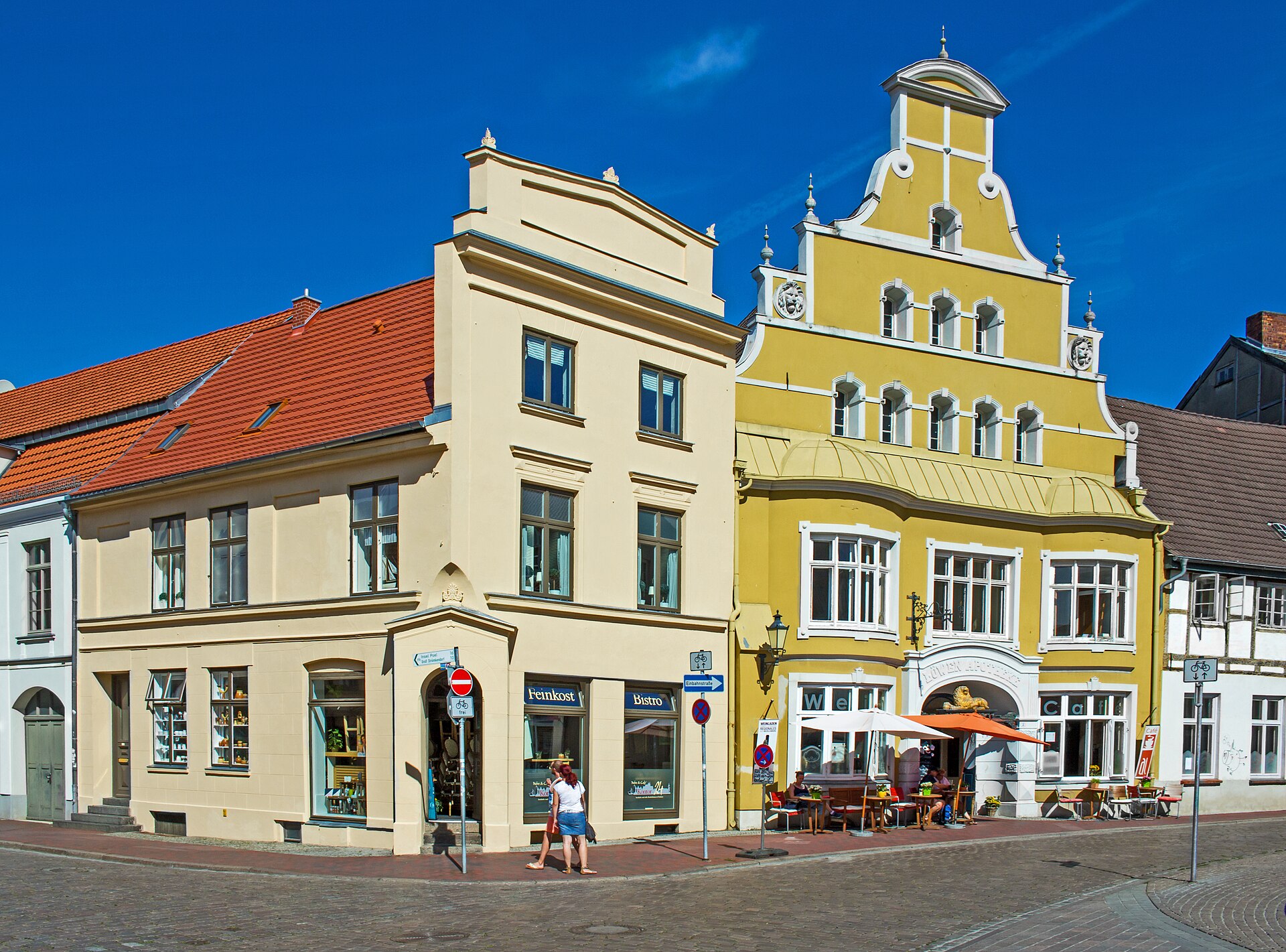
From the harbor, you dive into Wismar's historic old town, a place that rightly holds UNESCO World Heritage status. Here you walk through cobblestone streets where every brick house and every alley breathes history and tells stories of wealthy merchants and sailors. It's like walking through an open-air museum, with the atmosphere of a bygone era.
The heart of this old town is the Wismar Market Square, one of the largest and most beautiful market squares in Northern Germany. Surrounded by buildings such as the town hall and the 'Alter Schwede', you can feel the city's history here. The water feature, a gift from the 17th century, is an eye-catcher. This is the beating heart of Wismar. To orient yourself in this area, the bronze model of Wismar offers an overview of the historic city center. You can feel the details under your fingers and discover the churches, the harbor, and the market square in miniature, a tangible map of a rich history.
For those who want to delve deeper into history, there is the Wismar City History Museum, housed in the Schabbellhaus. This is one of the best-preserved Renaissance houses in the city. Here, Wismar's history comes to life, from the Hanseatic era to the present day. The museum uncovers the stories of merchants, shipbuilders, and daily life in this port city. Even in the vaults of a former warehouse, unique apartments have been created, an example of how old structures are given new life while retaining their historical charm. The thick walls and unique architecture tell a silent story of transformation.
Brick Splendor: Grandeur and Reconstruction
Wismar's skyline is dominated by brick churches, silent witnesses to Hanseatic power. The tower of St. Marienkirche is one of the largest brick churches in the world and a symbol of Wismar's grandeur. Although the nave of the church was destroyed in World War II, the tower still stands proudly, a silent witness to history. The remaining walls and the tower tell a powerful story of resilience and grandeur.
Not far from there stands St. Georgenkirche, a masterpiece of brick Gothic architecture that towers high above Wismar. This church was also destroyed in World War II but has been rebuilt with great love and dedication. It is even possible to climb the tower for a view over the city, a panorama that lays the entire city at your feet. This is a symbol of reconstruction and a window into the past. From the Ausblick Habfing Erimpo, a panoramic view of Wismar's harbor and the Baltic Sea also unfolds. Here you feel the wind in your hair and see the ferries coming and going, while the sun glitters on the water. It's a perfect place to relax and soak in the city's maritime atmosphere.
Conclusion: Wismar is a city that surprises you with its deep history and vibrant present. This article offers only a glimpse of the many stories and sights this Hanseatic city has to offer. The full walk through Wismar reveals even more hidden details and invites you to experience the city in a unique way. Discover all facets of Wismar and choose this fascinating route in the 'CityWalkGems' app.
- 12 stops
- Start anywhere
- ~3,1 km route length
- ~472 m longest stretch
- about 1,5–2 h duration
- Paid

