
Also known as: Ieper, Ypern
Ypres, a city in the heart of West Flanders, is more than just a destination; it is a living monument to human resilience and remembrance. The city bears the scars of a past that changed the world forever but has rebuilt itself with unprecedented determination. A walk through Ypres is a journey through time, where every cobblestone, every building, and every monument tells a story of courage, loss, and the indomitable spirit of a community.
The Unforgettable Echoes of the Great War
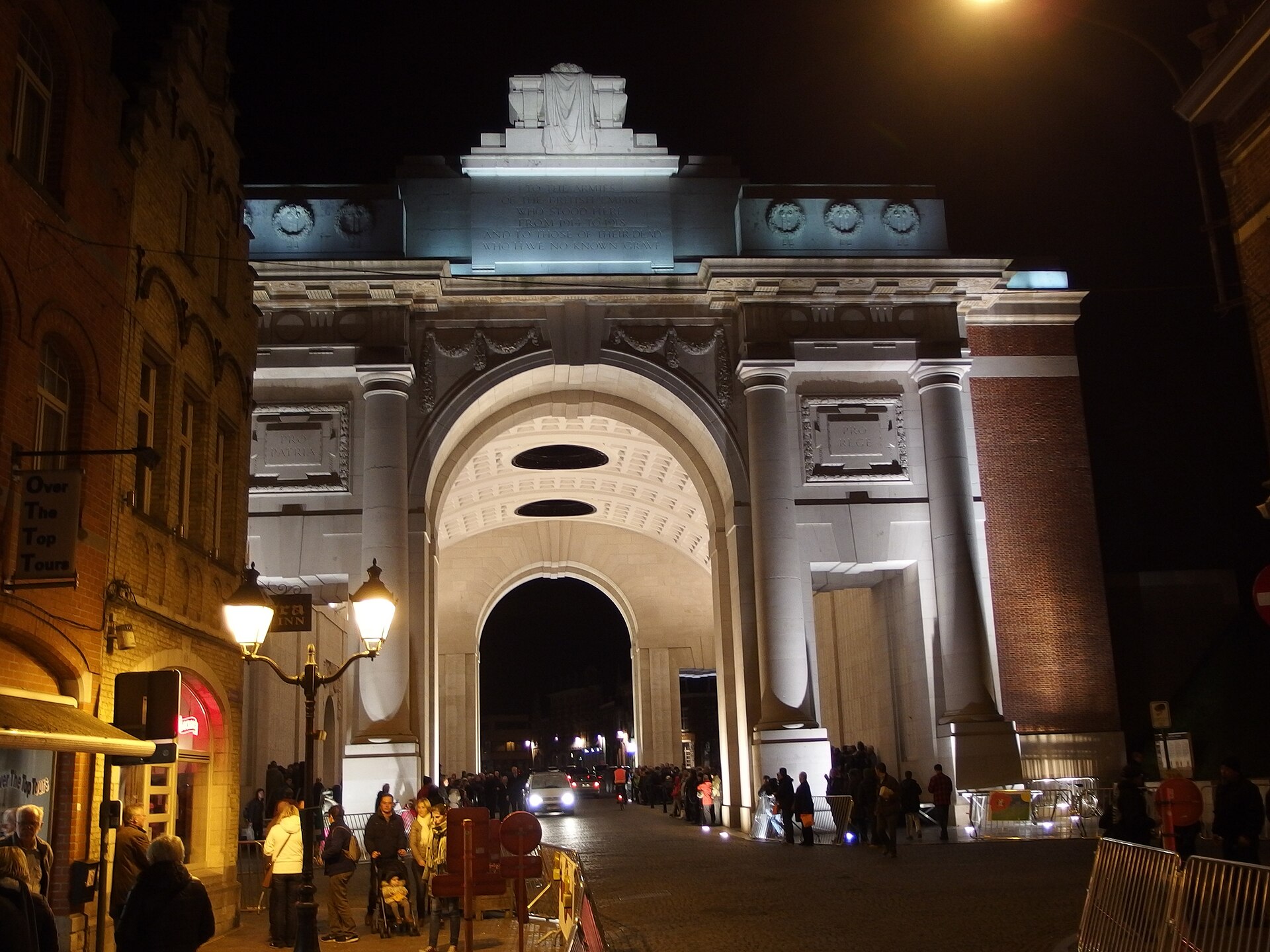
Our exploration begins at the Menin Gate, a colossal arch that is not just a monument but a living tribute. Since 1928, the Last Post has sounded here almost every evening, a solemn ritual for those missing from the First World War. Their names, forever carved in stone, are their only tombstone, a silent witness to the immense sacrifices made.
The war did not only affect Europe. Hidden among the greenery lies the Memorial for Indian Soldiers, a serene monument paying tribute to the Indian soldiers who fought with immense courage in the trenches of Ypres. Their contribution was vital, and the intricate design, combining European and Indian architectural elements, silently speaks volumes about their sacrifice and heritage. A little further on, tucked away on the ramparts, stands the Nepalese Gurkha Monument, a powerful tribute to the legendary Gurkha soldiers from Nepal, known for their bravery and their distinctive 'kukri' knives. They fought fiercely in the muddy fields of Flanders, and the monument subtly reflects their unique culture and warrior spirit.
A deeper dive into the human experience of the war is offered by the In Flanders Fields Museum. Housed in the imposing Cloth Hall, this museum is an immersive journey that tells the personal stories of those who experienced the war. The museum's poignant narrative ensures that their voices are never forgotten. The walk also leads us to the Ypres War Victims Monument, often called 'The Soldier's Head' or 'The Grieving Child'. This striking monument stands as a poignant symbol of Ypres' enduring sorrow and remembrance, honoring all civilian and military victims from the city. The raw emotion carved into the stone speaks volumes about the city's tragic past.
Ypres Reborn: A Story of Resilience
Ypres' Grote Markt (Market Square) is a testament to the city's unprecedented resilience. After the devastation of the First World War, the entire square, including buildings like brasserie 't Zweerd, was meticulously rebuilt, mirroring its historical grandeur. It feels like stepping back in time, to a place where medieval markets and contemporary gatherings converge. Next to the impressive Cloth Hall, Marktcafé Les Halles offers a perfect vantage point to soak up the atmosphere of the Grote Markt, a place that has witnessed centuries of market life.
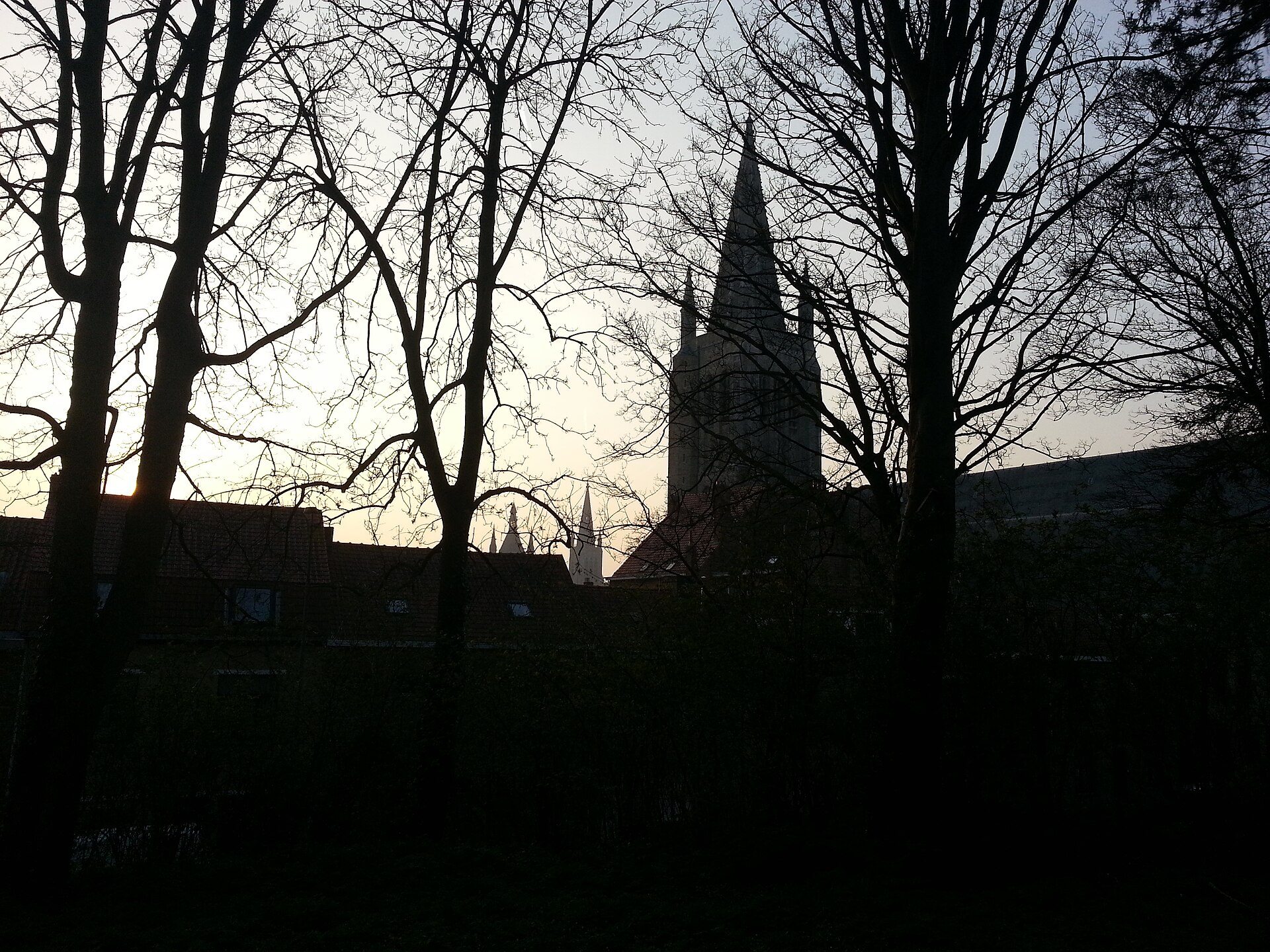
St. Martin's Cathedral, with its towering spires, dominates the Ypres skyline. This impressive Gothic masterpiece, like so much in the city, was completely destroyed during the First World War. Yet, it was carefully rebuilt stone by stone, mirroring its 13th-century glory. Inside, its immense scale and intricate details transport you through centuries of faith and artistry, a powerful symbol of Ypres' spirit that refuses to bend.
Ancient Defenses and Hidden Treasures
Step onto Ypres' ancient ramparts, a green oasis surrounding the city, offering expansive views and a sense of tranquility. These fortifications, designed by Vauban in the 17th century, tell a story of defense and resilience. It's a perfect place to escape the hustle and bustle and connect with the city's strategic past. On the south side of the city stands the imposing Lille Gate (Rijselpoort), one of Ypres' last remaining medieval city gates. This formidable structure, part of the historic defenses, has guarded the southern access for centuries, connecting Ypres to the wider world.
Ypres also harbors hidden gems that offer a glimpse into a bygone era. The Merghelinck Museum is a perfectly preserved 18th-century patrician house. It's like stepping into a living history book, showcasing the opulent lifestyle of a wealthy Ypres family. From the exquisite furniture to the delicate porcelain, every detail tells a story of an era that remained untouched by the ravages of war. Also discover the serene courtyard of Sint Jansgodshuis, a hidden jewel that once served as a medieval hospital and almshouse. This peaceful oasis, with its charming chapel and historic buildings, offers a quiet escape from the city's hustle and bustle. The intricate masonry and serene atmosphere whisper tales of centuries of care and community.
This walk through Ypres offers a profound look into the soul of a city that both commemorates and rises again. What is described above, however, is only a glimpse of the many stories and sights Ypres has to offer. The full walk reveals even more stops, riddles, and hidden details waiting to be discovered. Choose the Ypres walk in the CityWalkGems app and let yourself be carried away by the rich history of this special place.
- 12 stops
- Start anywhere
- ~3,1 km route length
- ~758 m longest stretch
- about 1,5–2 h duration
- Free

