
Also known as: Ámsterdam, Amesterdão
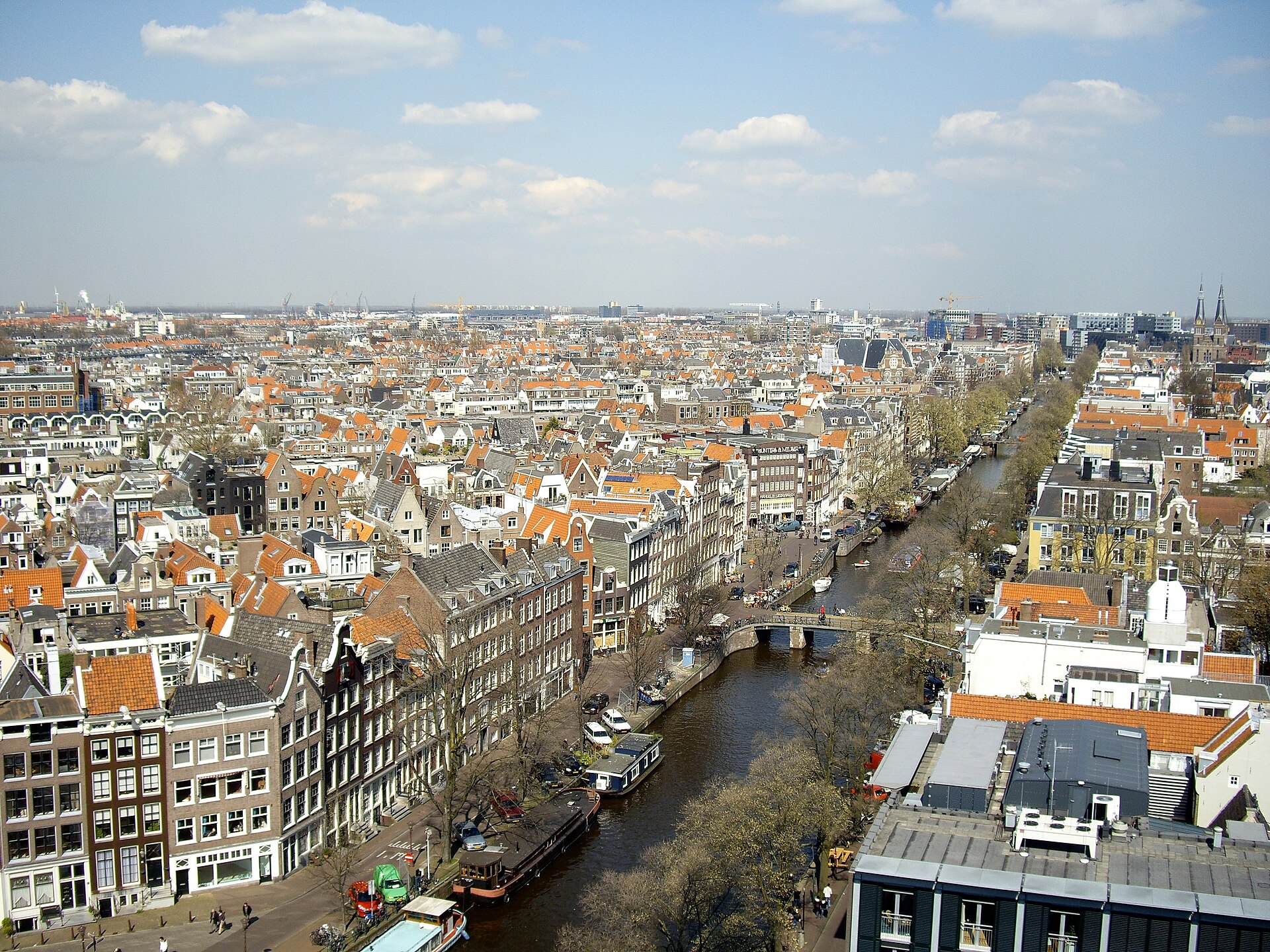
Amsterdam is a city that offers more than just picturesque canals and iconic facades; it's a living museum where every corner reveals a new chapter. From the ingenious architecture that literally supports the city to the hidden treasures concealed behind anonymous doors, Amsterdam invites deeper exploration. Let's dive together into the soul of this unique metropolis, starting with an architectural marvel that forms the gateway to countless adventures.
Architectural Foundations and Hidden Sanctuaries
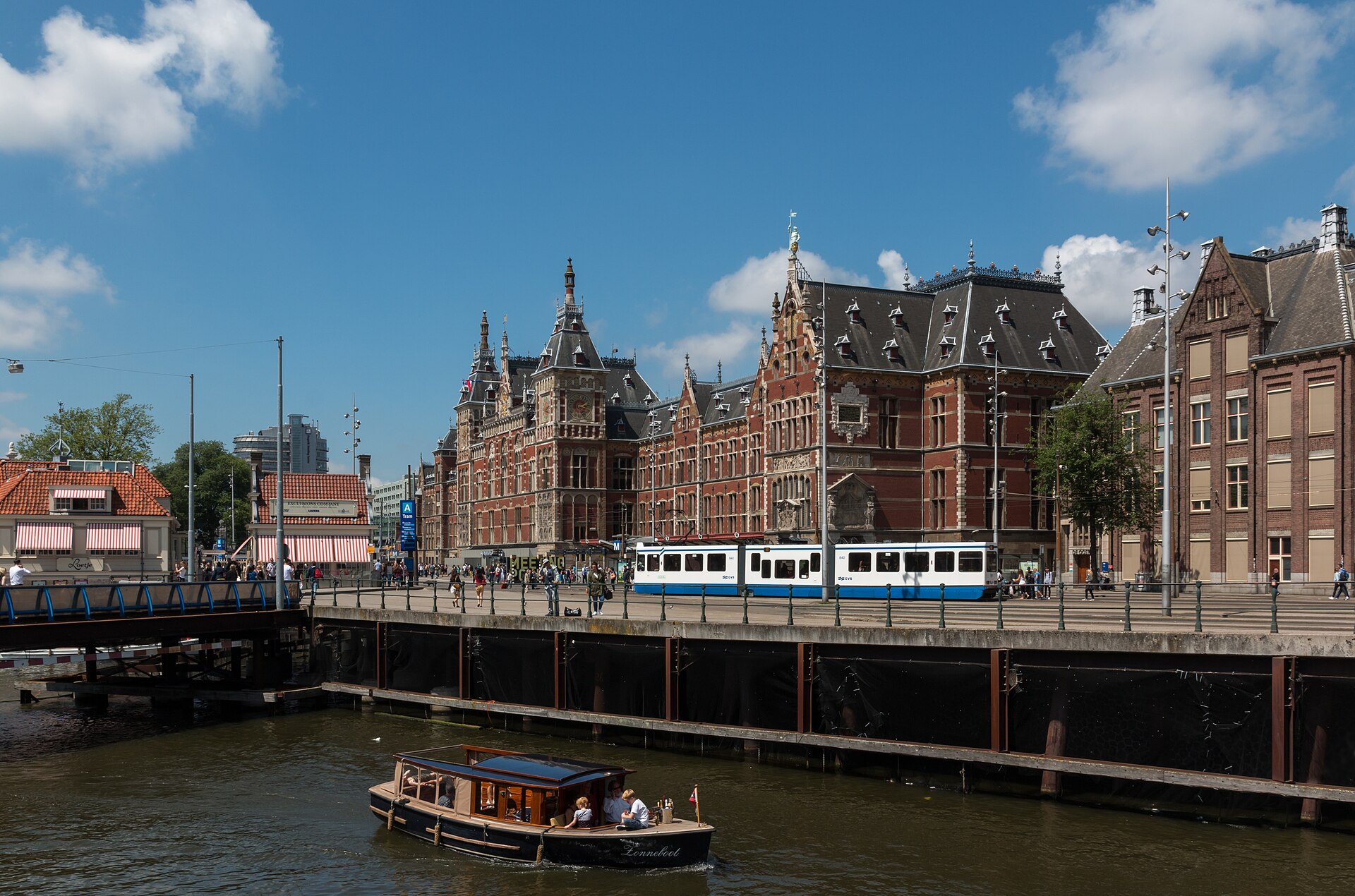
Your journey of discovery begins at the Centraal Station, a building that is a feat of human ingenuity in itself. This imposing station, a wonder of engineering, is built on no less than 8,687 wooden piles, on a site that was once water. It's an impressive starting point for a journey full of surprises that uncover the city's secrets.
From here, the path leads to one of Amsterdam's most special secrets: Ons' Lieve Heer op Solder (Our Lord in the Attic). From the outside, it looks like a typical 17th-century canal house, but once inside, it reveals its true nature. In the attic, there's a complete, clandestine church, where Catholics secretly held their masses during times of religious oppression. It's a moving example of faith and resourcefulness, hidden in the heart of the Red Light District.
Nearby, in the middle of the Red Light District, stands the Oude Kerk (Old Church). This is the oldest building in the city, originally consecrated in 1306. The contrast between the ancient, sacred ground and the vibrant neon lights surrounding it is striking. Here, in this historic heart, even Rembrandt registered his marriage, underscoring the church's deep connection to Amsterdam's history.
A short walk brings you to De Waag, a castle-like building on Nieuwmarkt. It began in the 15th century as the Sint Anthoniespoort, a real city gate in the medieval wall. Later, it transformed into a weigh house and guildhall. The upper rooms were the scene of famous anatomy lessons by surgeons, making De Waag feel like a direct connection to bygone eras, right in the heart of the modern city.
A little further on stands the Zuiderkerk (Southern Church), the very first church in the city built specifically for Protestants in 1611. The church's elegant tower rises beautifully above the water and even caught the attention of the French master painter Monet, who captured it on canvas. It's a serene oasis, just outside the hustle and bustle of the city center.
The World of Rembrandt and Romantic Canals
Dive deeper into the Golden Age with a visit to the Museum Rembrandthuis (Rembrandt House Museum). This was the place where the most famous painter in the Netherlands, Rembrandt, lived and worked during his absolute glory days, until he went bankrupt and was evicted from the house. You step directly into his life here; the atmosphere of his studio, where the smell of paint still seems to linger, makes the experience particularly tangible.
Amsterdam is known for its romance, and the Magere Brug (Skinny Bridge) is a shining centerpiece of it. This elegant wooden drawbridge over the Amstel originally dates back to 1691. In the evening, the bridge is illuminated with no less than 1200 lights, creating an enchanting sight. A famous city legend tells that a kiss on this bridge ensures eternal love.
For a unique photographic moment, head to the Zeven Bruggen (Seven Bridges) on the Reguliersgracht. At this specific point, if you look carefully through the stone arches, you can see no less than seven illuminated bridges perfectly aligned one behind the other. It's a visual trick that offers one of the most special views of the canal belt.
Quiet Courtyards and Royal Grandeur
Escape the urban hustle and bustle for a moment in the Begijnhof (Beguinage). As soon as you step through the gate, the noise of Amsterdam almost fades away. For centuries, this courtyard was home to the Beguines, women who led pious and independent lives without monastic vows. Here you will also find House Number 34, the Houten Huys (Wooden House), which dates before 1452 and is a rare example of the wooden facades that once adorned the old city.
The journey ends with an impressive conclusion on Dam Square, at the Paleis op de Dam (Royal Palace Amsterdam). This colossal building began in the 17th century as the largest city hall of Europe. Only when Napoleon's brother seized power did it become a royal palace. This gigantic marble masterpiece rests, like Centraal Station, on an impressive number of tree trunks: more than 13,000, deep in the mud. It's a fitting end to a journey through Amsterdam's rich history and architecture.
This article offers only a glimpse of the many wonders Amsterdam has to offer. The full walk through this fascinating city reveals many more stops, riddles, and hidden details waiting to be discovered. For a complete and immersive experience, we invite you to choose the Amsterdam walk in the app 'CityWalkGems'.
- 10 stops
- Start anywhere
- ~5,1 km route length
- ~826 m longest stretch
- about 1,5–2,5 h duration
- Paid

