

Dijon, the former capital of the powerful Duchy of Burgundy, is a city that surprises you at every turn. It's a place where history isn't just in books, but lives in the cobblestone streets, the imposing buildings, and the lively markets. Forget the clichés; Dijon is a city with a distinctive character, a rich heritage, and an undeniable French flair that invites you to dig deeper. Lace up your walking shoes and let yourself be carried away by the grandeur and hidden gems of this fascinating city.
The Majestic Heritage of the Dukes
The heart of Dijon undeniably beats to the rhythm of its ducal past. The Palais des Ducs et des États de Bourgogne is the most striking example of this. This building embodies the city's history, with visible construction phases ranging from a medieval tower to the grandiose 17th and 18th-century facades. It was once the center of Burgundian power, and its architecture tells a story of centuries of development.
Directly adjacent to this palace is Dukes Square, the Place des Ducs de Bourgogne. This is the beating heart of Dijon, surrounded by the majestic facades of the former ducal palace. Here you feel the echoes of centuries of power and splendor, a place where history comes alive.
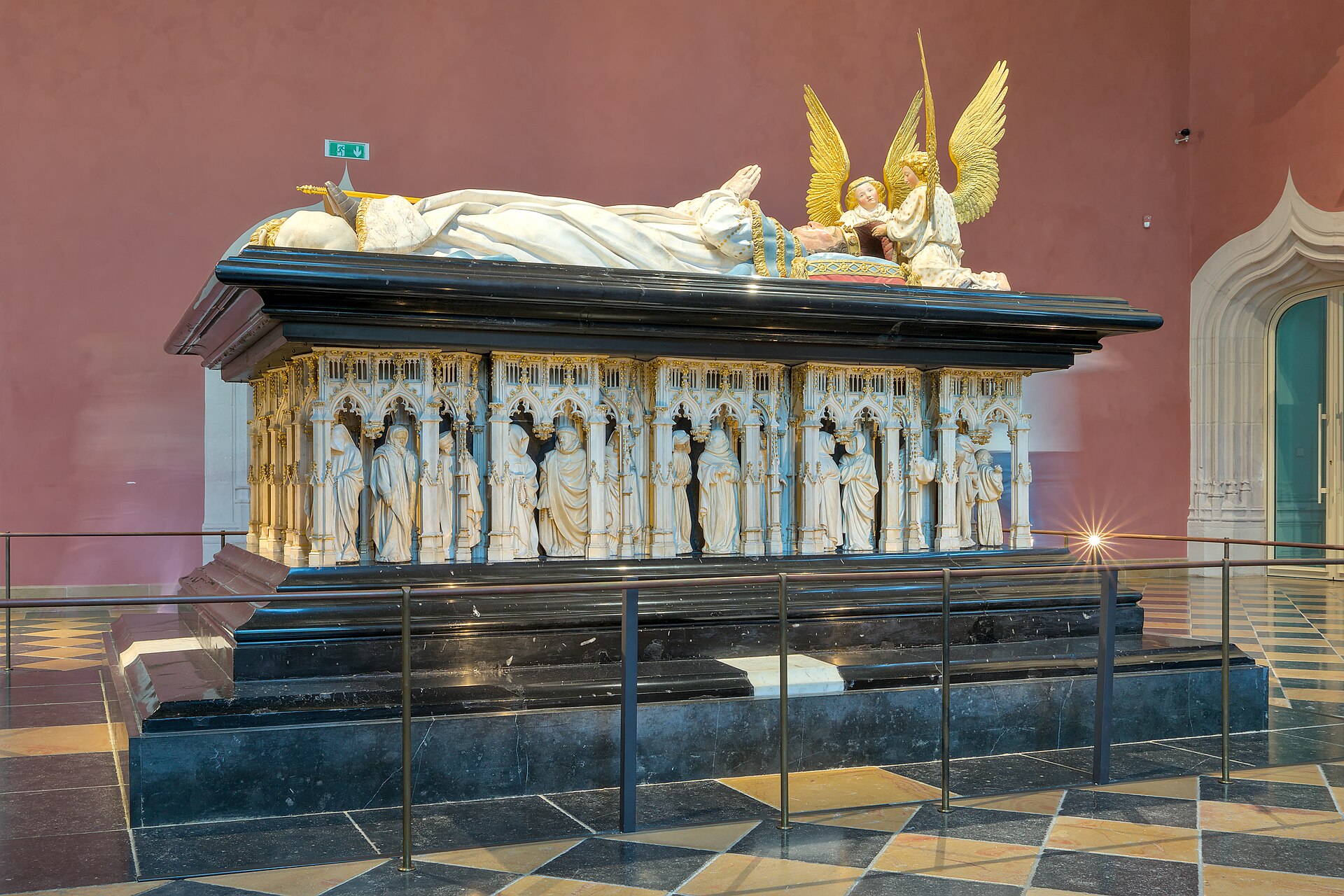
Within the walls of this former palace, you'll find the Musée des Beaux-Arts de Dijon (Museum of Fine Arts Dijon). This is more than just an art collection; it's a deep dive into Burgundian history. As you walk through the halls where princes once reigned, you'll encounter the impressive tombs of the Dukes of Burgundy. The details of the 'pleurants', the weeping figures adorning the tombs, are truly breathtaking, seamlessly blending art and history.
From Medieval Charm to Bustling Market
Leave the ducal square and let yourself be carried through the cobblestone streets that reveal Dijon's medieval soul. The Rue Verrerie is one such hidden gem, where the atmosphere of yesteryear is still tangible thanks to the beautifully preserved half-timbered houses. Each house, with its unique carvings and crooked facades, tells its own story and creates a picturesque sight.
Not far from here, in the wall of the Notre-Dame church, you'll find one of Dijon's most beloved symbols: the famous Owl of Dijon (La Chouette de Dijon). This small, sculpted figure has been a source of luck and mystery for centuries. Tradition has it that you touch it with your left hand and make a wish. It's a charming detail that adds extra character to the city.
From the tranquility of the medieval streets to the lively energy of the Halles centrales et marché central (Central Market Halls). These market halls, designed by a student of Gustave Eiffel, are a feast for the senses. Here you taste the real Dijon, surrounded by the hustle and bustle of market vendors and the delicious aromas of fresh produce. It's a place where tradition and architecture come together in a vibrant experience, full of colors and sounds.
Tranquility, Greenery, and Ancient Roots
Dijon also offers places of deep tranquility and reflection, such as the Cathédrale Saint-Bénigne de Dijon. This cathedral towers over the city like a fortress. Inside, its crypt, one of the oldest parts, reveals the roots of Christianity in Burgundy, dating back to the 6th century. It is a place of grandeur and silence where time seems to slow down.
For those who want to escape the urban hustle and bustle, Dijon's green oases offer a welcome change. The Jardin de l'Arquebuse (Arquebuse Garden) is much more than just a park; it's a historic site that once served as a training ground for the city's archers. Today, it's a beautiful botanical garden, full of rare plants and serene spots to relax. The Jardin Botanique de l'Arquebuse, as part of this complex, is a living laboratory where you can learn about natural diversity and the delicate balance of ecosystems. Adjacent to it, you'll find the Muséum d'Histoire Naturelle (Natural History Museum), a fascinating journey through natural history, from prehistoric fossils to exotic animals.
Another green lung of the city is Parc et Jardin Darcy. This was Dijon's very first public park, designed in the 19th century as an elegant meeting place. The iconic polar bear statue by Pompon guards the entrance and is a beloved landmark. It's a charming spot for a stroll or people-watching.
Finally, the impressive Porte Guillaume is not just a gate; it's a triumphal arch that replaced the former city gate and celebrates the grandeur of Dijon. Once marking the entrance to the city, it now welcomes you to the bustling center, a true gateway to the past.
This article offers just a glimpse of the many treasures Dijon has to offer. The full walk through this beautiful city reveals even more stops, hidden details, and surprising stories for you to discover. Are you ready to immerse yourself in the rich history and vibrant culture of Dijon? Then choose the Dijon walk in the CityWalkGems app and let yourself be guided.
- 12 stops
- Start anywhere
- ~3,2 km route length
- ~654 m longest stretch
- about 1,5–2 h duration
- Free

