
Also known as: Dresde
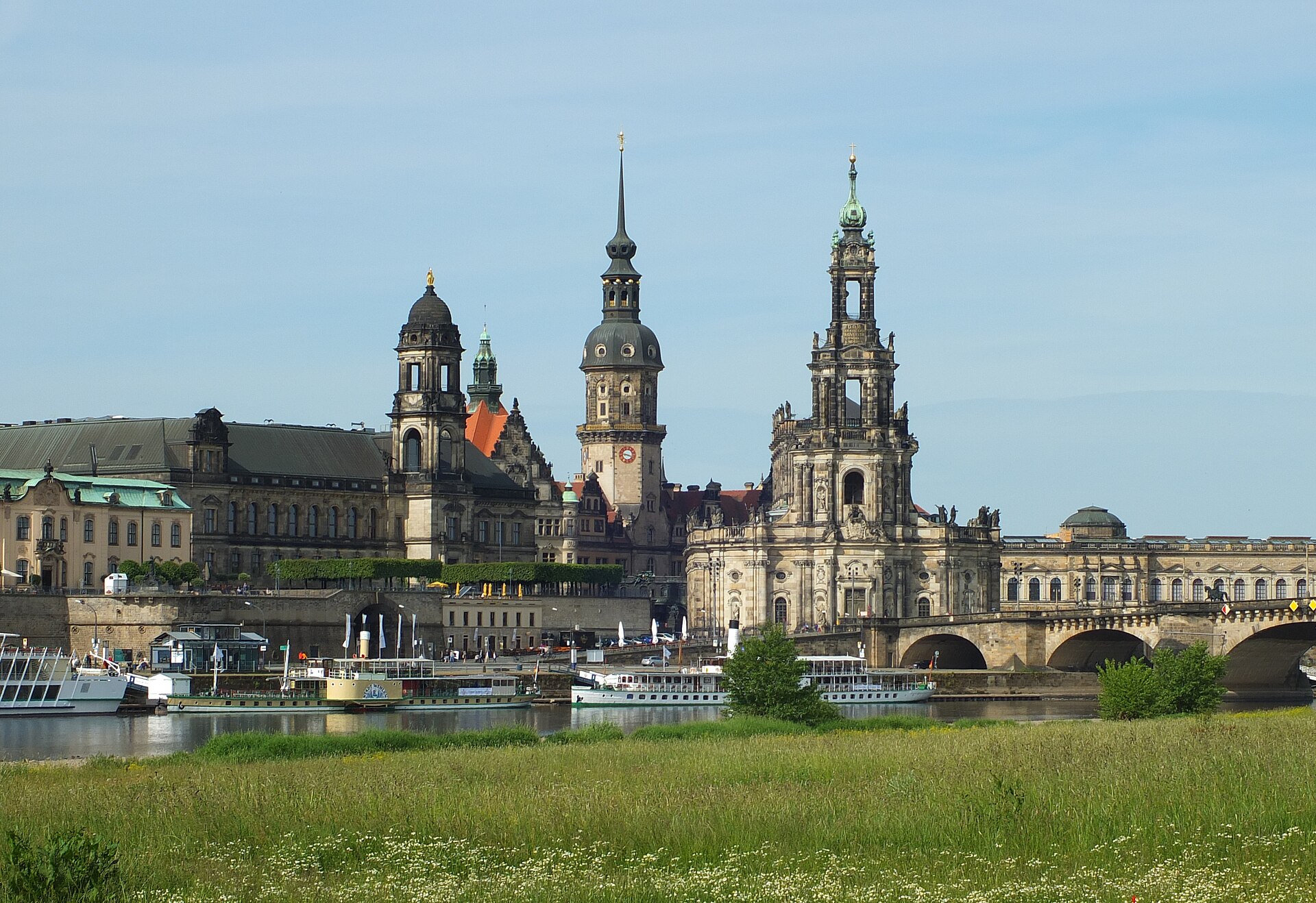
Dresden, the city that rose like a phoenix from its ashes, is more than just a destination; it's a living history book. Here, baroque grandeur and modern vitality embrace each other along the banks of the Elbe. It's a place where every stone tells a story, where art and architecture seamlessly merge, and where the spirit of recovery is palpable. Let's discover together the unique charm of this Saxon capital, a city that invites you to look beyond the surface and be swept away by its rich past and vibrant present.
Royal Splendor and Artistic Masterpieces
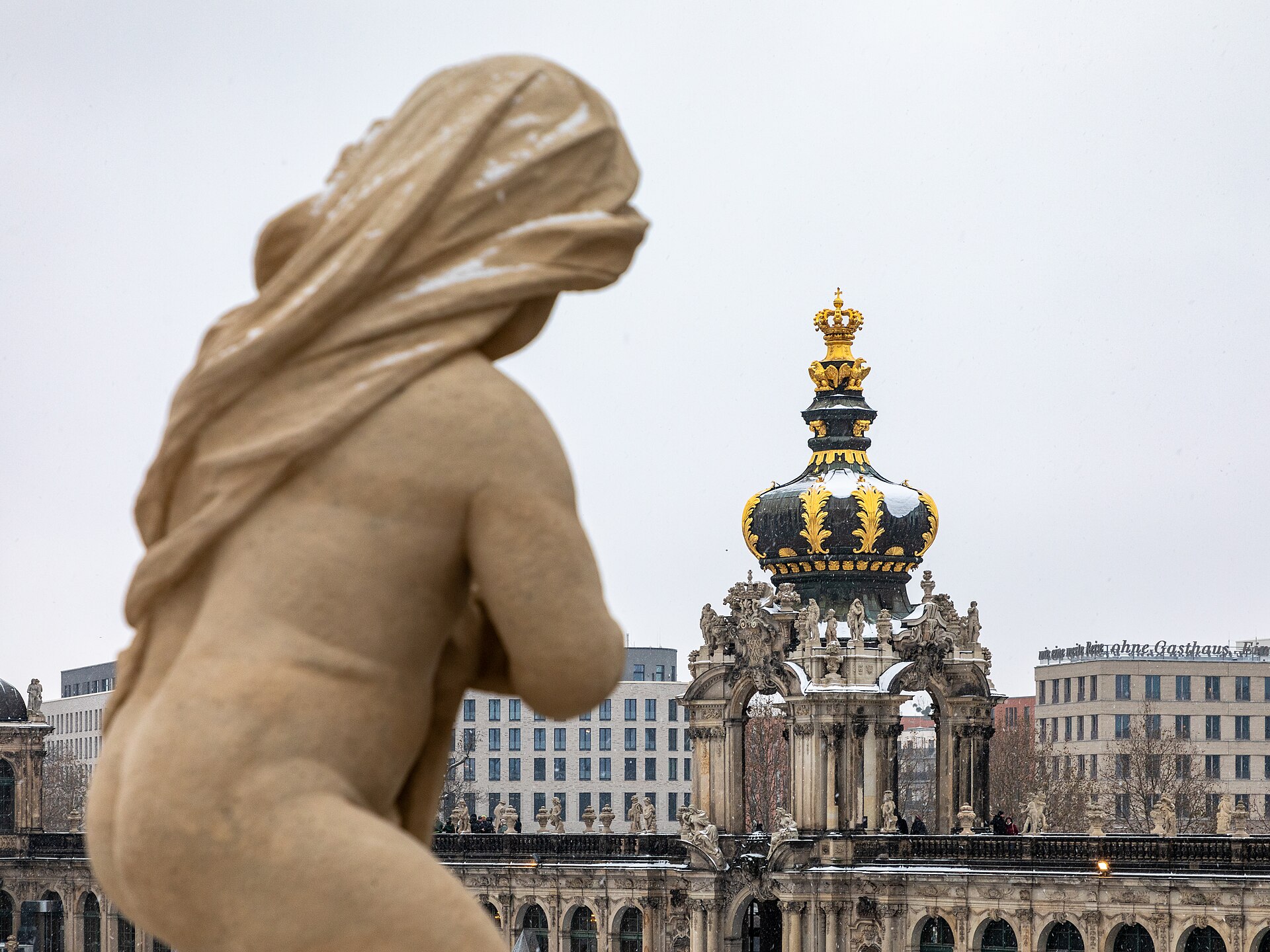
Our exploration of Dresden begins in the heart of baroque splendor: the Zwinger. This impressive complex is a visual feast of galleries, pavilions, and a theatrical inner space. The richness of stone, sculptures, and symmetry is visible everywhere, culminating in the Kronentor (Crown Gate), which immediately draws attention with its Polish crown. Within the Zwinger is also the intimate Nymphenbad (Nymphs' Bath), a hidden baroque moment. Here, fountains, nymphs, and stone niches create a serene atmosphere, a welcome break from the grandeur of the main square.
Not far from the Zwinger lies the Semperoper, Dresden's theatrical heart. Its facade, adorned with a row of statues, testifies to the city's rich cultural tradition. It is a place where music and drama have come alive for centuries. Further on, a unique open-air history book unfolds: the Fürstenzug (Procession of Princes). This long procession of Saxon rulers, made of thousands of Meissen tiles, is a weather-resistant artwork that immortalizes the region's history in porcelain.
Along the Elbe and the Emotional Heart
From the historic core, we walk to the Brühlsche Terrasse, affectionately known as the 'Balcony of Europe'. From here, a panoramic view stretches over the Elbe, a perfect spot to watch the river meander through the landscape. Dresden's terrace energy is also palpable in the Münzgasse, a busy and narrow alley full of life, where the terraces invite you to a moment of peace amidst the city bustle.
The emotional heart of the route is undoubtedly the Frauenkirche. The rebuilt dome of this church symbolizes recovery and Dresden's collective urban memory. It is a powerful monument that embodies the city's resilience and offers a place of reflection for visitors from all over the world.
The Vibrant Neustadt: Art and History
Our journey then takes us across the river to the Neustadt, where the Goldener Reiter (Golden Rider) welcomes us. This gilded equestrian statue of August the Strong is a striking landmark and marks the transition to another part of the city. The Neustadt has its own unique character, with the Dreikönigskirche (Church of the Three Kings) serving as a quiet historical anchor, its name referring to the Three Kings from the biblical story.
The Neustadt is also known for its playful energy, which culminates in the Kunsthofpassage. This passage concludes the route with a surprising display of architecture and art. The blue Hof der Elemente (Courtyard of Elements) is a particular highlight here, where rain is made visible and audible through funnels and pipes, a unique experience that stimulates the imagination even without rainfall.
This article offers only a glimpse of the many wonders Dresden has to offer. The city walk through Dresden reveals many more hidden details, fascinating stories, and unexpected views. To experience the full depth of this historic and vibrant city, we invite you to choose the complete walk in the CityWalkGems app and embark on your own adventure.
- 12 stops
- Brühlsche Terrasse start
- ~4,2 km route length
- ~863 m longest stretch
- about 1,5–2,5 h duration
- Free

