
Also known as: København, Kopenhagen, Copenhague, Copenhaga
Copenhagen is more than just a capital; it's a living tapestry of history, design, and undeniable charm. The city, where age-old traditions meet contemporary flair, invites exploration that takes you past stately palaces, intimate alleys, and surprising cultural treasures. It's a place where every corner tells a new story, and where the Danish soul reveals itself in all its facets.
Royal Roots and Stately Grandeur
Your journey through Copenhagen often begins with a sense of wonder, for example, at the iconic Tivoli Gardens. This amusement park opened its gates as early as 1843, making it one of the oldest operating amusement parks in the world. On the edge of the gardens stands the oriental-inspired Nimb, a striking backdrop that gives the city a special glow in the evening.
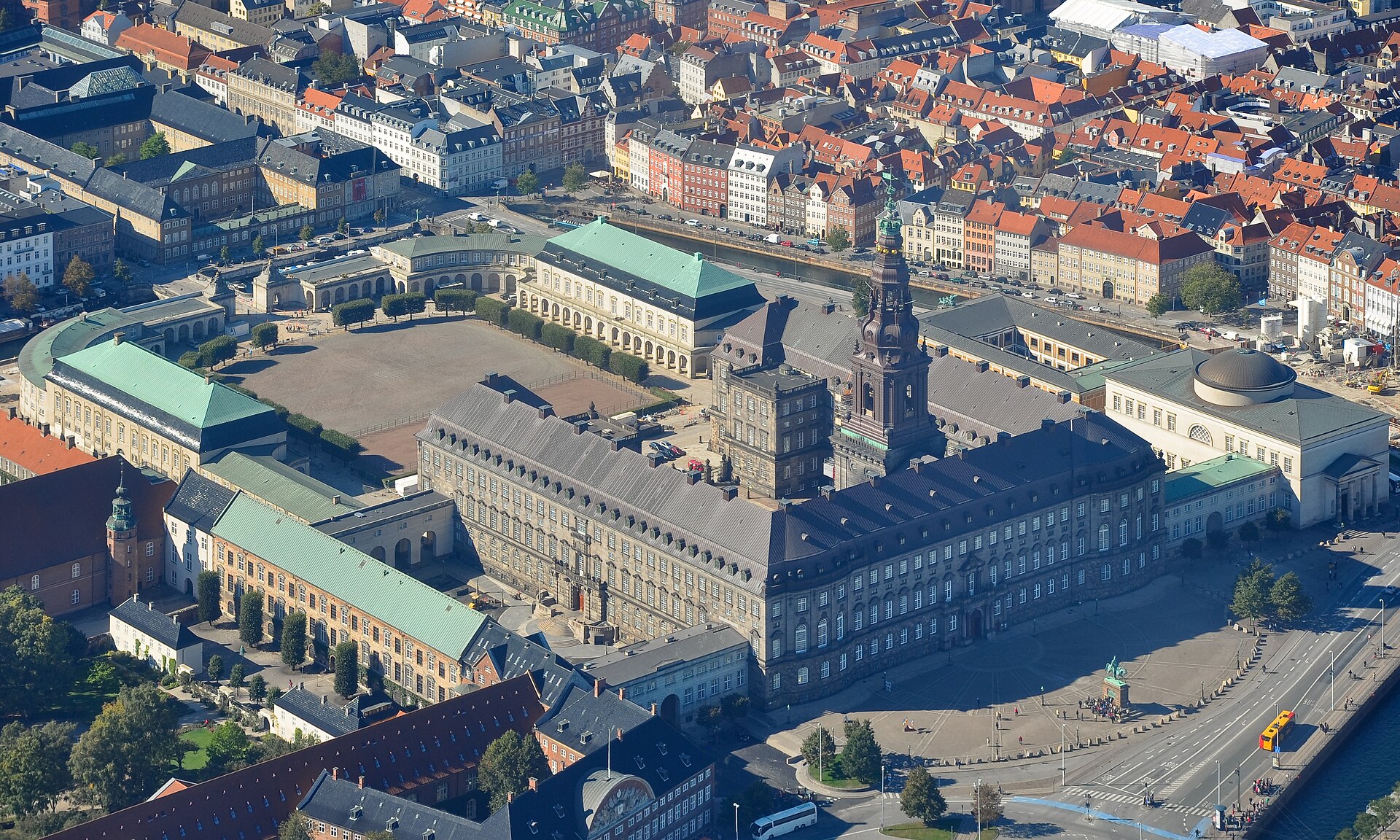
From this lively start, you delve deeper into the heart of Danish power. Christiansborg Palace, located on Slotsholmen, is Denmark's historical center of power. This impressive palace houses the parliament, government, and supreme court, thus combining democracy, monarchy, and centuries of architectural history in one place. The palace tower is freely accessible and offers a panoramic view of the city.
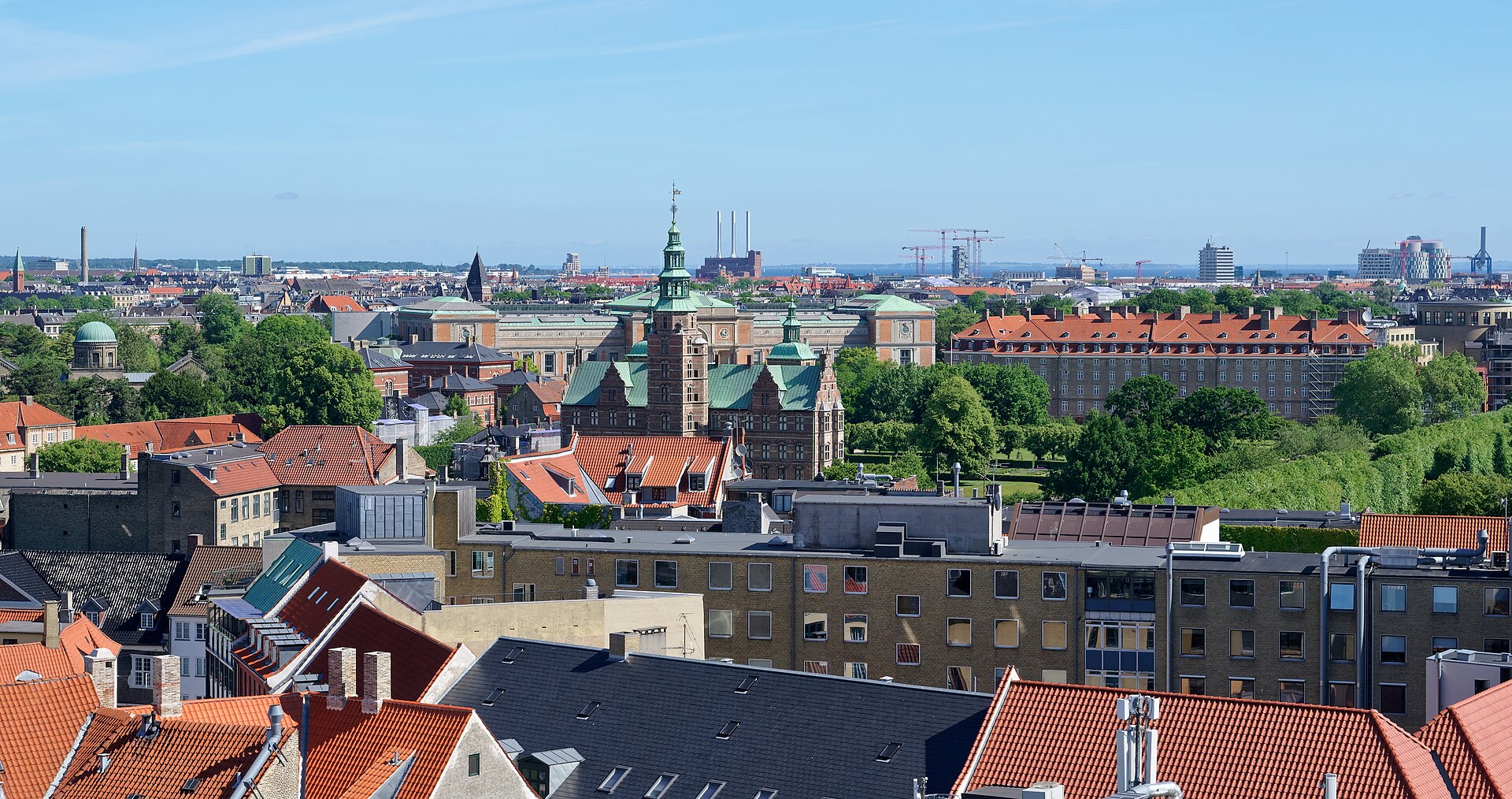
Another royal eye-catcher is Rosenborg Castle. This Renaissance castle was built by Christian IV and is located next to the King's Garden. Beneath the castle is the treasury, where the Danish crown jewels and regalia are kept. Here you get both royal power and compact park romance in one view. The route leads you further to Amalienborg Palace, the residence of the Danish royal family in Copenhagen. Four palaces stand around an octagonal square, where the daily changing of the guard is a fixed ritual.
Play Kopenhagen right in your browser →
Hidden Alleys and Cultural Surprises
Besides the grandeur of the palaces, Copenhagen also harbors a wealth of intimate places. Magstræde, along with the neighboring Snaregade, is among the oldest and most photogenic streets in the old city center. The cobblestones, low houses, and colorful facades take you back to the 16th century. The charm of these streets lies not in grand monuments, but in their scale, texture, and authentic street feel.
An oasis of calm in the middle of the city is The Royal Library Garden, hidden between Christiansborg and the Royal Library. The fountain, trees, and brick facades dampen the hustle and bustle of Slotsholmen, making it a place for reflection. A little further on you'll find Nikolaj Kunsthal, housed in the former St. Nicholas Church, one of Copenhagen's oldest church sites. The building is now a center for contemporary art, and it is precisely this tension between the church tower, historical fire traces, and experimental art that makes this place visually and substantively interesting.
For a deeper cultural dive, there is The David Collection, a hidden museum next to the King's Garden. Behind its quiet facade lies an exceptional collection of Islamic art, complemented by 18th-century European and Danish art. It is a place that emphasizes the city's cultural depth. Another unique piece of Copenhagen is Nyboder, a historic residential area developed from the 17th century for Danish navy personnel. The yellow terraced houses, straight streets, and quiet repetition create a strong visual experience, less monumental than a castle, but precisely because of that, very local and photogenic.
Panoramic Views and Maritime Tales
To see Copenhagen from a different perspective, a visit to Rundetårn is highly recommended. This round tower was built in the 17th century as part of the Trinitatis complex, with an observatory on top. The wide spiral ramp, which replaces almost all stairs, makes the climb a unique experience.
Further north lies Kastellet, a 17th-century star-shaped fortress that still functions as both a military area and a public city park. The green ramparts, moats, the church, and a windmill create a clear form in space and invite a peaceful stroll. The route eventually turns back towards the harbor, where you arrive at the iconic Nyhavn. This harbor with its colorful 17th and 18th-century merchant houses, wooden ships, and canal tour boats is a lively endpoint. Hans Christian Andersen lived in several houses along this quay, giving the place an extra touch of fairytale history.
This article offers just a glimpse of the many facets Copenhagen has to offer. The full walk through this fascinating city reveals many more hidden details, captivating stories, and surprising views that you can discover for yourself. Let the streets guide you and choose this unique exploration of Copenhagen in the CityWalkGems app for a complete experience.
- 10 stops
- Start anywhere
- ~5,9 km route length
- ~876 m longest stretch
- about 2–2,5 h duration
- Paid

.jpg)