
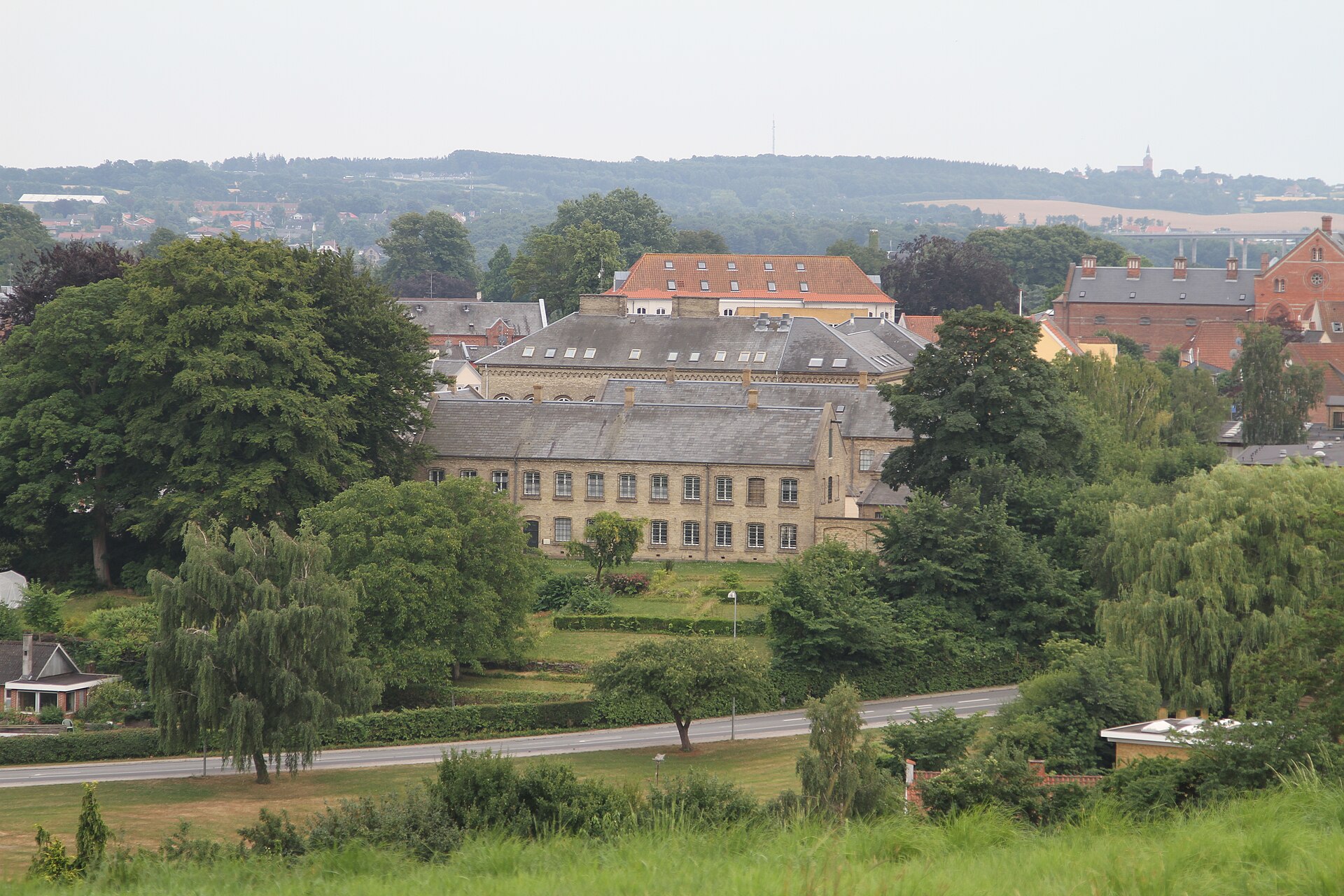
Svendborg rises in terraces against the hills along the edge of the South Funen Archipelago. It is a city where the streetscape shifts effortlessly between sheltered courtyards and sweeping vistas of rippling waterways. Anyone setting out on a walking tour of Svendborg soon discovers that its maritime character is far more than mere decoration—it sets the daily rhythm of the quays and streets.
From the Northern Hill to Quiet City Streets
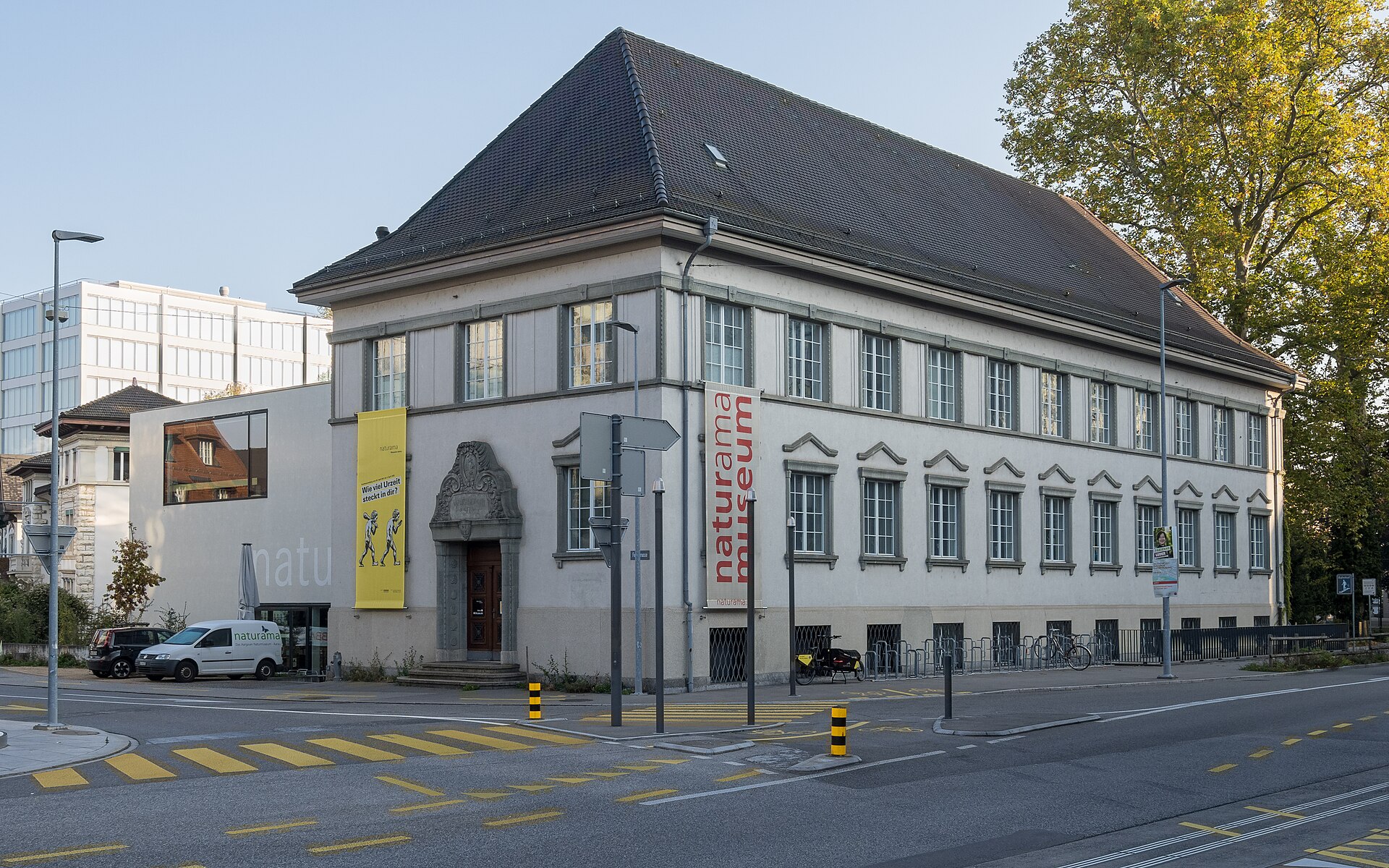
Your introduction to the city begins high on the slope at the northern entrance. Here stands Naturama, a strikingly modern building overlooking the lower quarters of the town. Inside, complete whale skeletons hang suspended high beneath the roof. The institution showcases Danish wildlife through an ingenious interplay of dramatic lighting and soundscapes, offering an immediate feel for the natural world surrounding Denmark's waters.
From these heights, you descend toward the historic center. Along Vestergade, the deep-red facades immediately catch the eye. Behind these historic townhouses, the regional art association has been based for decades, featuring a bright gallery space filled with contemporary graphic art and installations. The walled garden at the rear offers a brief moment of quiet before you step out into the bustling shopping streets.
Amidst the passing pedestrians and café terraces stands Venus med æblet (Venus with the Apple). This central meeting point was sculpted in 1929 by Kai Nielsen. With her soft, rounded contours, the voluptuous goddess looks serenely across the square, marking the transition into the more intimate residential alleys.
Nearby lies Fruestræde, a street paved with cobblestones and lined with traditional half-timbered facades. Here sits the modest yellow cottage of Johannes Jørgensen. The Danish poet and author settled here in his final years following an extensive, wandering life in Italy. His preserved study, with rows of books and personal correspondence, looks as though the writer has only just stepped away from his desk.
Industrial Yards and Raw Harbor Quarters on Frederiksø
To reach the harbor, the sturdy steps of Wessels Trappe lead down between historic brick walls. This brick staircase was originally built to bridge the substantial drop between the market square and the quayside. As you descend, the first wooden ship masts come into view between the rooftops.
Below lies the former shipyard island of Frederiksø, where the scent of seawater mingles with weathered machine oil. The industrial shipbuilding halls here were never demolished; instead, they have found a new purpose. One of these rugged halls houses Danmarks Kostumarium. Inside the former shipyard walls, theatrical costumes, period attire, and cinematic garments hang side by side—a striking, tactile contrast between heavy steelwork and delicate fabrics.
Outside along the quay stands Cubo Nero: a dark, geometric sculpture that stands in stark, minimalist contrast to the weathered warehouses. The pavilion invites visitors to pause and watch the sailing vessels gliding through the sound. A little further on, heavy ropes and hammocks hang from the Slyngetræ. Harbor strollers can relax here among vintage dock cranes as salty water laps audibly against the bulkhead.
Quays, Schooners, and Views Across the Water
Back on the mainland, Havnepladsen forms the vibrant heart of the waterfront. Restaurant Svendborgsund has welcomed guests here since 1853. The aroma of fried fish and malt has drawn skippers, ferry passengers, and locals to this iconic yellow harbor tavern for a century and a half. From the outdoor terrace, you look straight out at docking vessels and the arched bridge reaching across to the island of Tåsinge.
Just down the waterfront, along the wooden Træskibsbroen in Den Gamle Havn, the air carries the scent of tar, hemp, and timber. This is the home berth for Denmark's floating heritage: traditional two-masted vessels and schooners sway together in the tide. Local craftspeople work here on-site maintaining the woodwork and rigging, ensuring that age-old maritime trades remain an active part of the cityscape.
The walk reaches its natural conclusion on the rolling earthen ramparts of Skansen. These green fortifications served as a strategic gun battery during the Gunboat Wars to seal off the sound. Today, no cannons remain aimed at the water; instead, the grassy bluffs offer an uninterrupted panorama across Svendborgsund and its passing fleet of sailing ships.
This walking route offers just a glimpse of what Svendborg's maritime streets and shipyards have in store. If you wish to explore the entire route—including all the background stories, historical highlights, and hidden gems along the way—you will find the complete city walking tour in the CityWalkGems mobile app.
- 11 stops
- Naturama start
- ~4,0 km route length
- ~720 m longest stretch
- about 1,5–2 h duration
- Free

