
Le Mans, a city many immediately associate with the legendary 24-hour race, reveals a surprising depth for those who look beyond the circuit. This French city is a true treasure trove of history, where impressive Roman walls and charming medieval half-timbered houses seamlessly blend with the spirit of modern ingenuity. It is a place where every cobblestone street tells a story, and where the past is present in a vibrant and tangible way, ready to be discovered.
From Roman Fortress to Medieval Grandeur
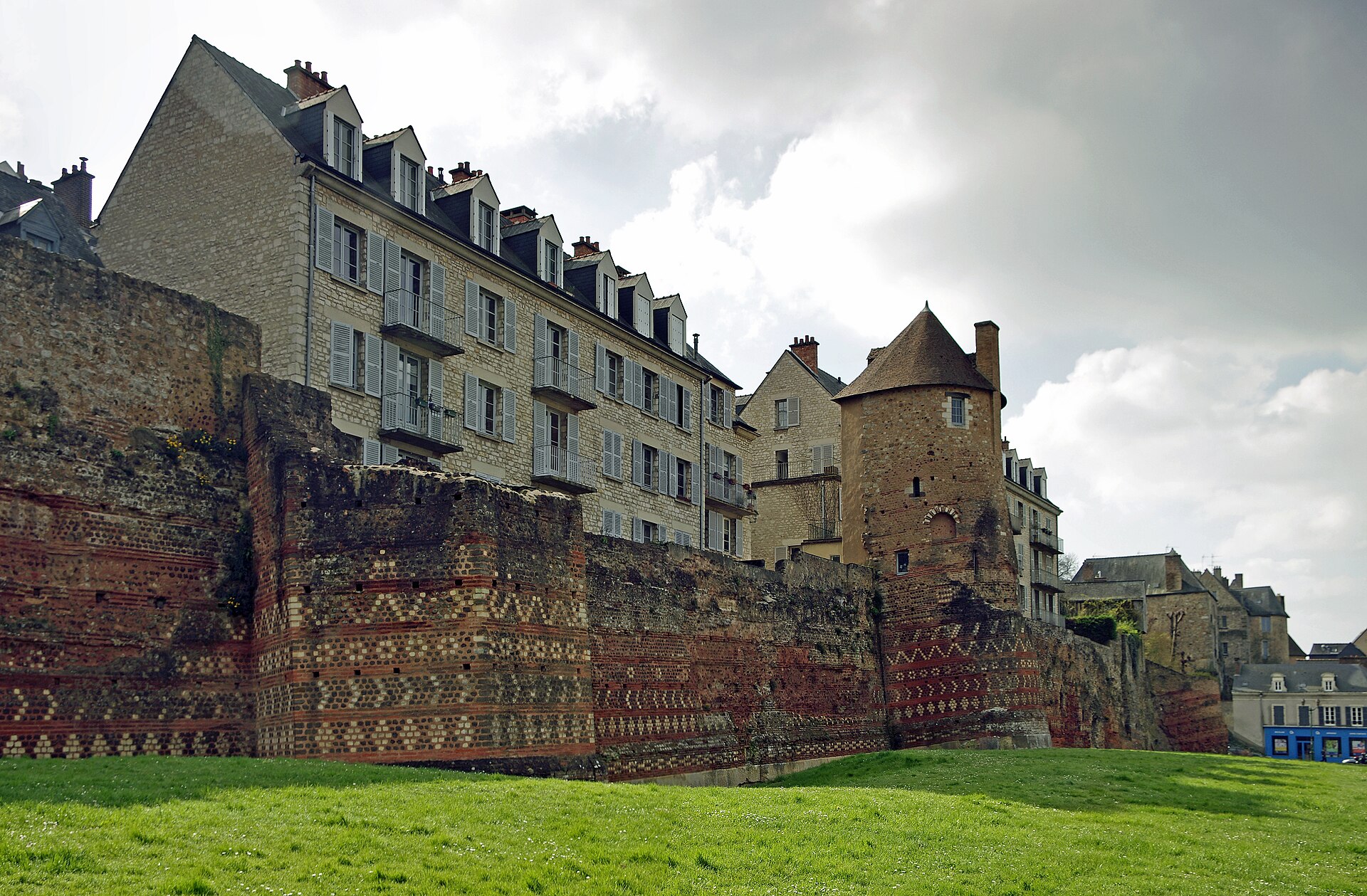
The history of Le Mans stretches far back, long before the roar of race car engines echoed here. A walk through the city takes you directly back to Roman times, evidenced by the imposing Enceinte romaine. This 1700-year-old Roman wall, with its perfectly visible geometric patterns of brick and stone, known as 'opus mixtum', testifies to the advanced building techniques of the Romans. It is remarkable how well this structure has withstood the test of time, a tangible link to a distant past. Nearby lie the remains of the Thermes Romains du Mans, where the ingenious underfloor heating, the 'hypocaustum', is still visible. It offers a fascinating insight into the daily life and comfort level of the Roman inhabitants two thousand years ago. For a moment of peace and a beautiful, unobstructed view of this majestic wall, the tranquil Square Robert Triger offers an ideal spot to pause.
Central to the city stands the grandiose Cathédrale Saint Julien-Le Mans. This brick cathedral towers like a fortress above the city, dominating the skyline. Inside, a breathtaking spectacle unfolds: Europe's largest painted interior, where monks for centuries adorned the vault with a sky full of stars and saints. It is a place that impressively embodies the grandeur of faith and the art of bygone eras.
Not far from there stands the beautiful Palais du Grabatoire, a building with a unique name meaning 'to grasp' or 'to take', referring to the poor who were once cared for here. Originally an episcopal palace, later a residence for canons, and in the 17th century a hospital, it still breathes the grandeur and hidden history of bygone times. The ruins of the Collégiale Saint-Pierre-la-Cour du Mans recall a time when this collegiate church was not only a place of prayer but also an an important center for education and knowledge in the Middle Ages, a place that nourishes the intellectual spirit of the past.
Wandering Through the Cité Plantagenêt
The beating heart of medieval Le Mans can be found in the enchanting Cité Plantagenêt. This labyrinth of narrow, cobblestone streets and charming half-timbered houses is like an open-air museum where every corner whispers a story from the Middle Ages. It's easy to get lost here and forget the time, discovering the unique charm of a city that has remarkably withstood the test of time. One of the most striking buildings in this historic quarter is the Maison du Drapier, the former heart of Le Mans' cloth industry. Its walls still tell stories of medieval textile trade, and its beautiful facade is adorned with symbols reflecting the wealth of the merchants, a vivid window into a flourishing past of craftsmanship and commerce.
To further delve into the city's rich history, a visit to the Musée Jean-Claude Boulard - Carré Plantagenêt is highly recommended. This modern museum serves as a gateway to Le Mans' extensive past, with a profound collection of artifacts spanning from Roman times to the Middle Ages, including the fascinating history of the Plantagenêts themselves. It offers a complete picture of the region's cultural and historical development.
Where History Comes Alive
Le Mans, however, is more than just a collection of historic buildings; it is a city where the past is brought to life in dynamic and innovative ways. As evening falls, the Cité Plantagenêt transforms into a spectacular display with La Nuit des Chimères. The old walls and buildings become canvases for enchanting light projections that bring mythical creatures and historical scenes to life, an unforgettable experience that makes history dance and transports the visitor into a world of wonder.
The vibrant heart of modern Le Mans can be found in the Place de la République. This lively square buzzes with activity, a central place where people gather, markets take place, and the energy of the community is palpable. Here, the present and past of the city naturally converge.
Conclusion: This journey through Le Mans is just a glimpse of the many layers the city has to offer. From the grandeur of the cathedral and the echoes of Roman baths to the intimate alleys of the Cité Plantagenêt, there is a world to discover beyond the well-known race circuits. The full walk through Le Mans in the CityWalkGems app reveals many more hidden details, fascinating stories, and unexpected perspectives waiting to be explored. Let yourself be guided and experience the unique charm of this French city.
- 11 stops
- Start anywhere
- ~2,1 km route length
- ~606 m longest stretch
- about 1–1,5 h duration
- Free

_-_Flickr_-_sybarite48.jpg)