
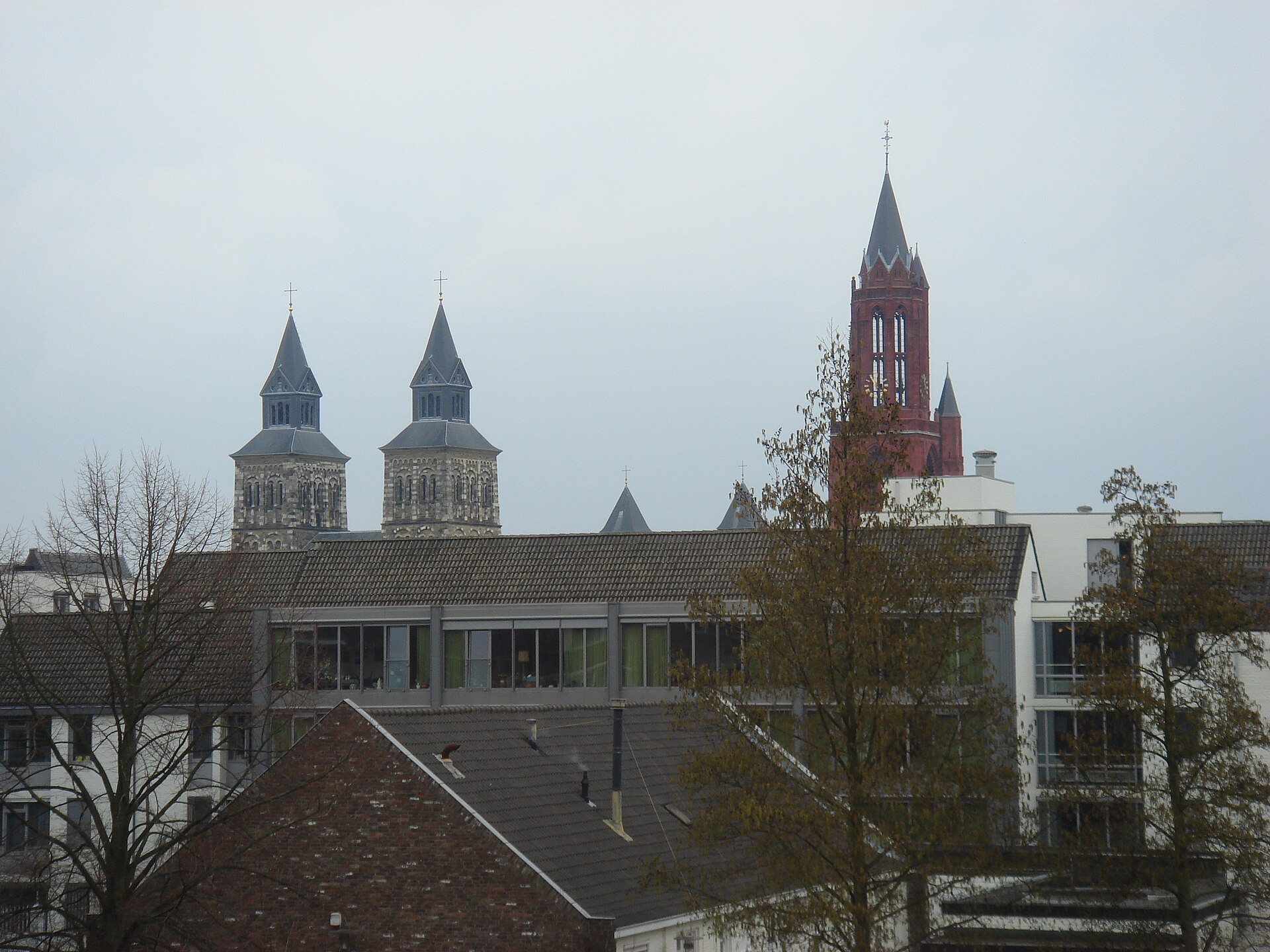
Introduction
Maastricht, a city that immediately embraces you with its unique blend of history, culture, and an undeniable Burgundian character. It's not just a city; it's an experience, where every cobblestone tells a story and the Meuse river flows calmly through the heart of the city. From the Romans to the Treaty of Maastricht, this city has stood the test of time and presents itself today as a vibrant open-air museum, interspersed with modern flair. Put on your walking shoes and let yourself be carried away by the enchanting atmosphere of this Limburg pearl.
Play Maastricht right in your browser →
Welcome to Wyck: The Gateway to Maastricht
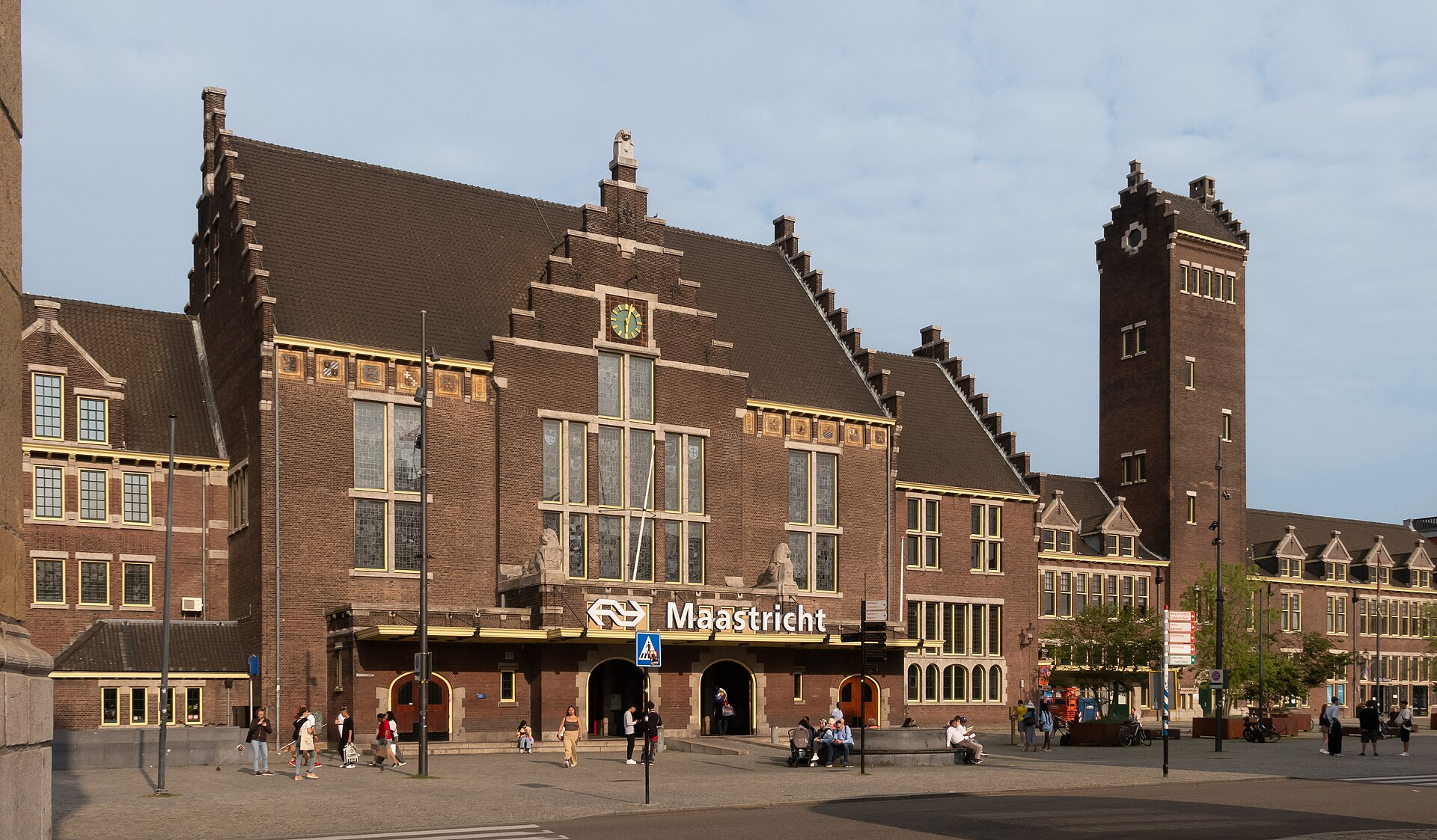
Your journey of discovery through Maastricht begins on the eastern side, in the charming district of Wyck, right by Maastricht Station. This is a strong start, with its monumental facade and beautiful stained-glass details welcoming the many travelers. The station is not only an arrival point but also a recognizable architectural landmark that immediately immerses you in the city's atmosphere.
From the station, you walk through the streets of Wyck, where you'll find a logical resting point at the Sint-Martinuskerk (St. Martin's Church). This neo-Gothic church, whose name refers to Saint Martin, known for sharing his cloak, is a clear landmark in the district with its tower. A moment of peace and admiration for the architecture, before the route leads you further towards the Meuse.
Along the Meuse: Modern Impulses and Historical Connections
The Meuse is the lifeline of Maastricht, and along its banks, another face of the city unfolds. A striking museum stop is the Bonnefantenmuseum, with its recognizable tower by Aldo Rossi forming an unmistakable skyline element. Its location on the Meuse strongly contributes to the visual and cultural impact of this museum.
Near the museum lies Plein 1992 (Square 1992), a modern square that refers to the Treaty of Maastricht. With its sleek and urban architecture, it forms a transition between the museum area, the library, and the Meuse route. The square exudes a European atmosphere and showcases the city's modern side.
The route continues with the Hoge Brug (High Bridge), a cycling and pedestrian bridge that marks the logical crossing back towards the old city. From this bridge over the Meuse, you enjoy a wide panorama of the river and the city, a fluid connection between the different parts of the city.
Dive into the Historic Heart: Gates, Squares, and Craft
Once you've crossed the Meuse, you dive deep into Maastricht's rich history. One of the strongest historical stops is the Helpoort (Hell Gate), the oldest still-existing city gate in the Netherlands. Located next to the City Park, its rough stones and gate form create a lot of atmosphere and take you back in time. It's a place where history becomes tangible.
Next, you arrive at the Onze Lieve Vrouweplein (Our Lady Square), an atmospheric square surrounded by the basilica and the Chapel of the Star of the Sea. The many candles in the chapel are a strong visual and emotional indicator, contributing to the sacred atmosphere of this special place. It's a moment to observe, recognize, and experience tranquility.
A true 'hidden gem' in the old city is the Bisschopsmolen (Bishop's Mill). This is a working watermill, where water power and wooden gears still do their work. The scent of freshly baked 'vlaai' (Limburg pie) makes the place sensory and concrete, an authentic experience of traditional craftsmanship.
The walk then leads you to the Vrijthof, Maastricht's large city square. This is a real highlight, surrounded by churches, lively terraces, and various cultural functions. The Vrijthof is central to the square's space and the city's vibrancy, a place where there's always something happening.
New Energy and Old Glory: The Sphinx Quarter and the Market
Maastricht is a city of contrasts, and this is clearly visible in the Sphinxkwartier (Sphinx Quarter). This district showcases the city's industrial layer, with old factory buildings creatively repurposed. Here you feel the urban energy and the transformation from an industrial past to a dynamic future.
The finale of your walk brings you to the Markt (Market Square), with the freestanding City Hall. This spacious square with its market atmosphere and the recognizable seventeenth-century administrative building forms a strong conclusion right in the city center. It's a place where Maastricht's daily life unfolds, surrounded by architecture that reflects centuries of governance and trade.
Conclusion
This walk offers just a glimpse of the many treasures Maastricht has to offer. The city is full of even more hidden alleys, surprising details, and fascinating stories waiting to be discovered. For the complete experience, with all the riddles and extra stops that make this route so unique, I invite you to choose the walk in the 'CityWalkGems' app and embark on your own adventure in this beautiful city.
- 11 stops
- Start anywhere
- ~4,8 km route length
- ~765 m longest stretch
- about 1,5–2,5 h duration
- Free

