
Diest, a city in the heart of Belgium, is more than just a spot on the map. It's a living history book, where every street and every building tells a story. For those seeking a captivating city walk in Diest, it offers a unique blend of royal grandeur, medieval fortifications, and serene green oases. Here, you walk through centuries of heritage, from its ties with the House of Orange-Nassau to the silent testimonies of piety and resistance.
A Green Past, Strategic and Serene
Your journey through Diest begins in the green heart of the city: the Provincial Domain Halve Maan. This area was once a strategic part of the city's defenses, with earthen ramparts protecting the city. Today, it is a beloved recreational area, perfect for a walk or a moment of tranquility by the water, where nature and history converge.
Nearby, the impressive ruins of St. John's Church tell a story of bygone eras. Once an important parish church, built in the 13th century, it fell into disrepair due to fire and war. Now, its remaining walls stand as silent witnesses to a rich past, surrounded by a serene atmosphere.
The walk continues to the Citadel of Diest. This impressive fortress, built in the 19th century, was a strategic stronghold for the defense of young Belgium. From here, you can enjoy panoramic views of the city and its surroundings, a moment to take in the vastness of the landscape and Diest's rich history.
Play Diest right in your browser →
Traces of Nobility, Faith, and Daily Life
In the center of Diest, you'll encounter the stately Court of Nassau. This building breathes history and was once the residence of the Lords of Diest, who had close ties with the House of Orange-Nassau. Its architecture reflects the grandeur of that era, and the building has hosted many important guests throughout the centuries, a true gem on the Graanmarkt.
High above the city rise the ruins of the Castle of the Banner Lords of Diest. This castle, the cradle of the Lords of Diest, was for centuries the strategic center of the region. Although now in ruins, its location remains a powerful reminder of a glorious past.
Another impressive example of medieval architecture is The Spijker, also known as the Refuge House of Tongerlo. It served as a safe haven for the monks of Tongerlo Abbey when the countryside was unsafe. This building tells a story of protection and connection to monastic life, right in the heart of the city.
Step into the serene world of the Beguinage of Diest, a UNESCO World Heritage site. This walled courtyard, with its charming houses and church, was once home to a community of pious women, the Beguines. It is a unique piece of history that has stood the test of time and still radiates peace.
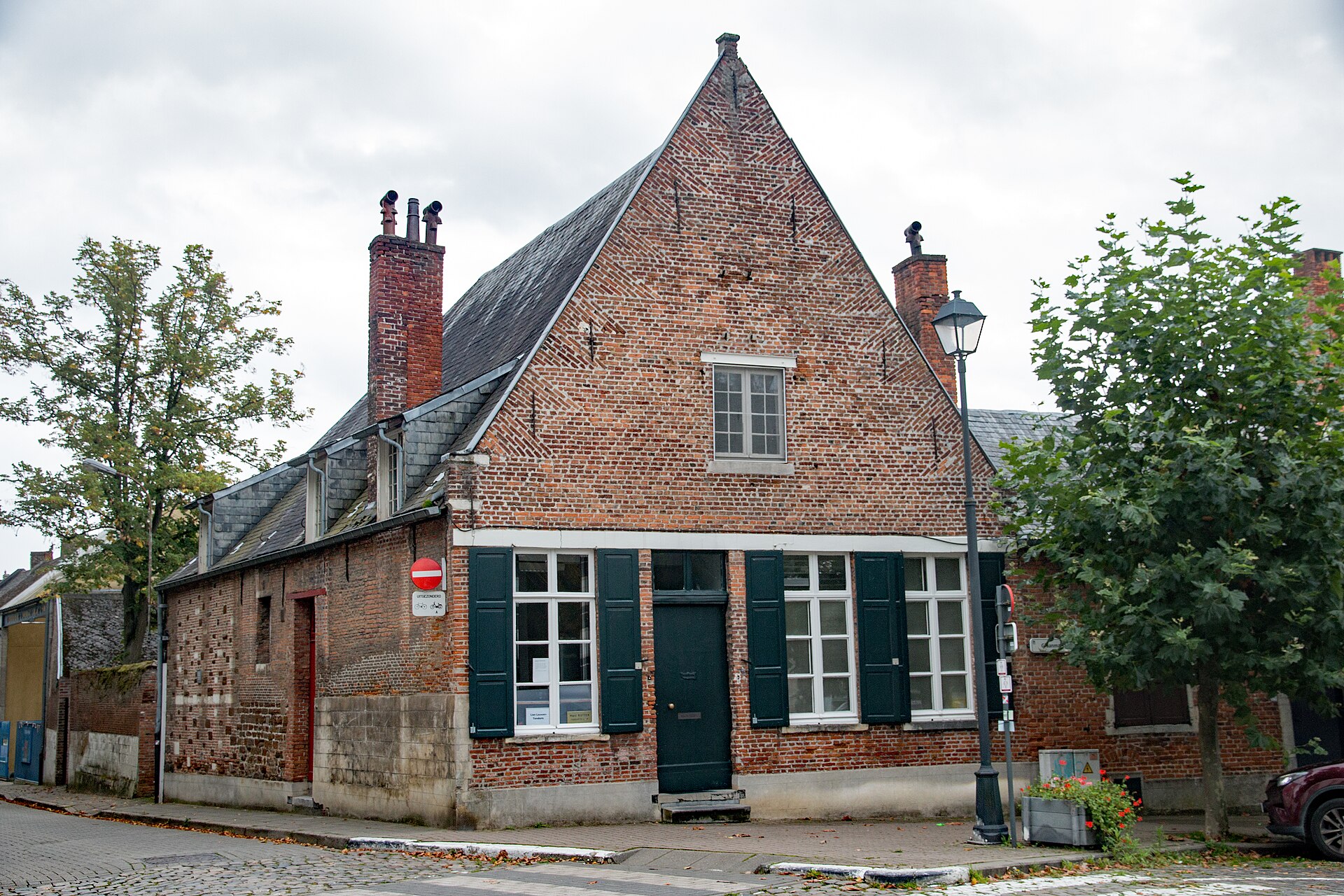
Saint Jan Berchmans' humble birthplace is a place of inspiration. He was born here in 1599, and his life of piety and study made him a saint. The house is now a pilgrimage site that reflects the simplicity of his early years.
On the Grote Markt, you'll find the Diest Municipal Museum, a treasure trove of local history. This museum tells the story of Diest, from its medieval origins to modern times, through fascinating exhibitions and artifacts. It is a window into the city's rich past.
Courage, Resistance, and Urban Defense
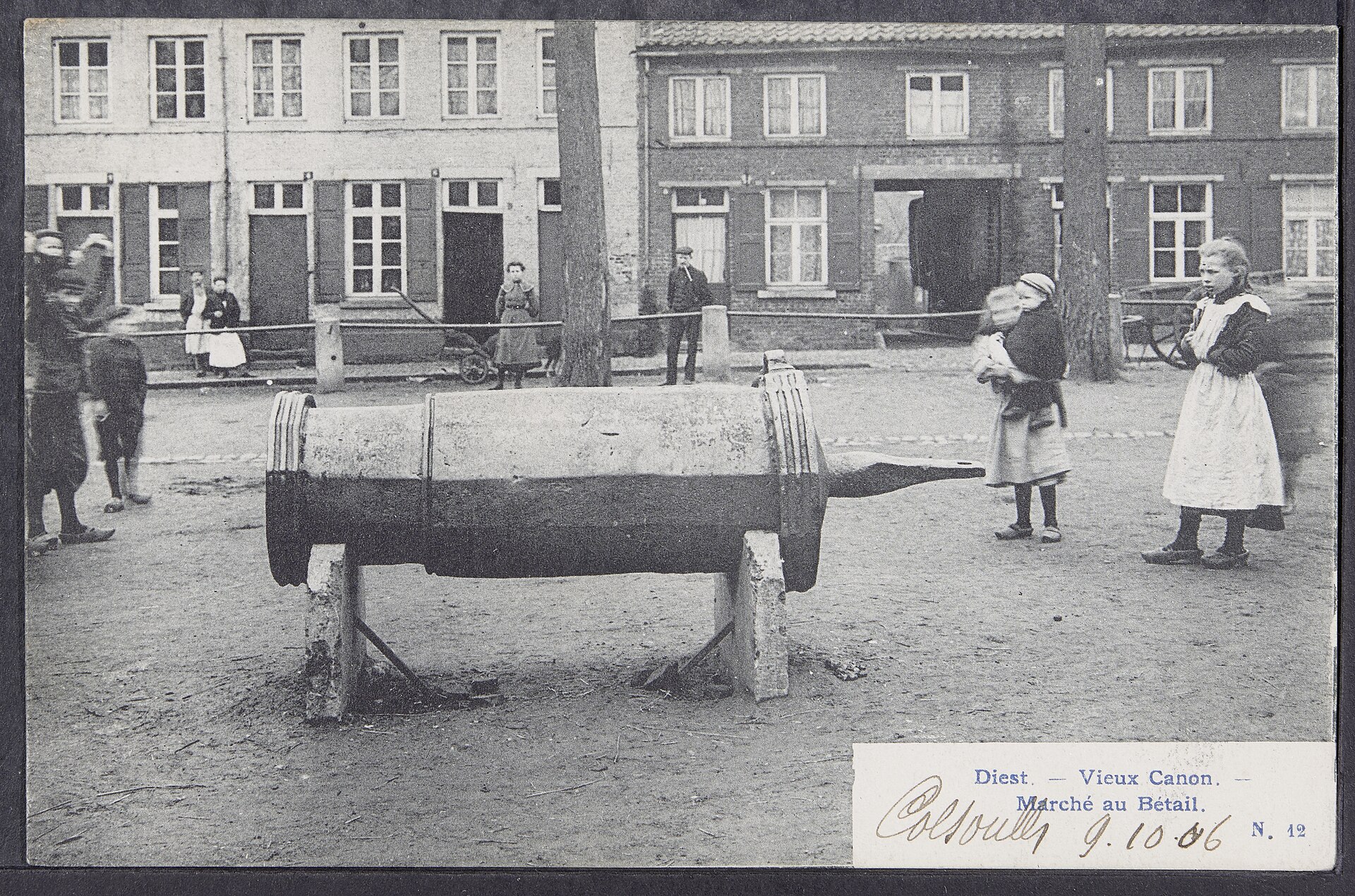
Here you stand by the legendary Holle Griet, a figure deeply rooted in Diest's history. Her statue commemorates the courage of the townspeople who defended their city. Legend tells how she saved the city by closing the gates, a story passed down through generations and symbolizing the spirit of Diest.
The Schaffense Gate, one of Diest's remaining city gates, stands here as a monument of defense. This gate, built in the 14th century, was a crucial part of the city walls and protected the city from invaders. It is a tangible reminder of Diest's medieval fortifications.
The Peasants' War Square commemorates an important, yet tragic, episode in Belgian history: the Peasants' War of 1798. Here, rebels gathered to resist the French occupation and forced conscription. The square is a place of remembrance and reflection on courage and resistance.
This selection of Diest's attractions shows only a fraction of what this historic city has to offer. The full walk reveals even more hidden details, fascinating stories, and unexpected corners for you to discover. Choose the Diest walk in the 'CityWalkGems' app and let yourself be carried away by the rich history and unique atmosphere of this special place.
- 12 stops
- Provinciedomein Halve Maan start
- ~5,1 km route length
- ~826 m longest stretch
- about 2–2,5 h duration
- Free

.jpg)