
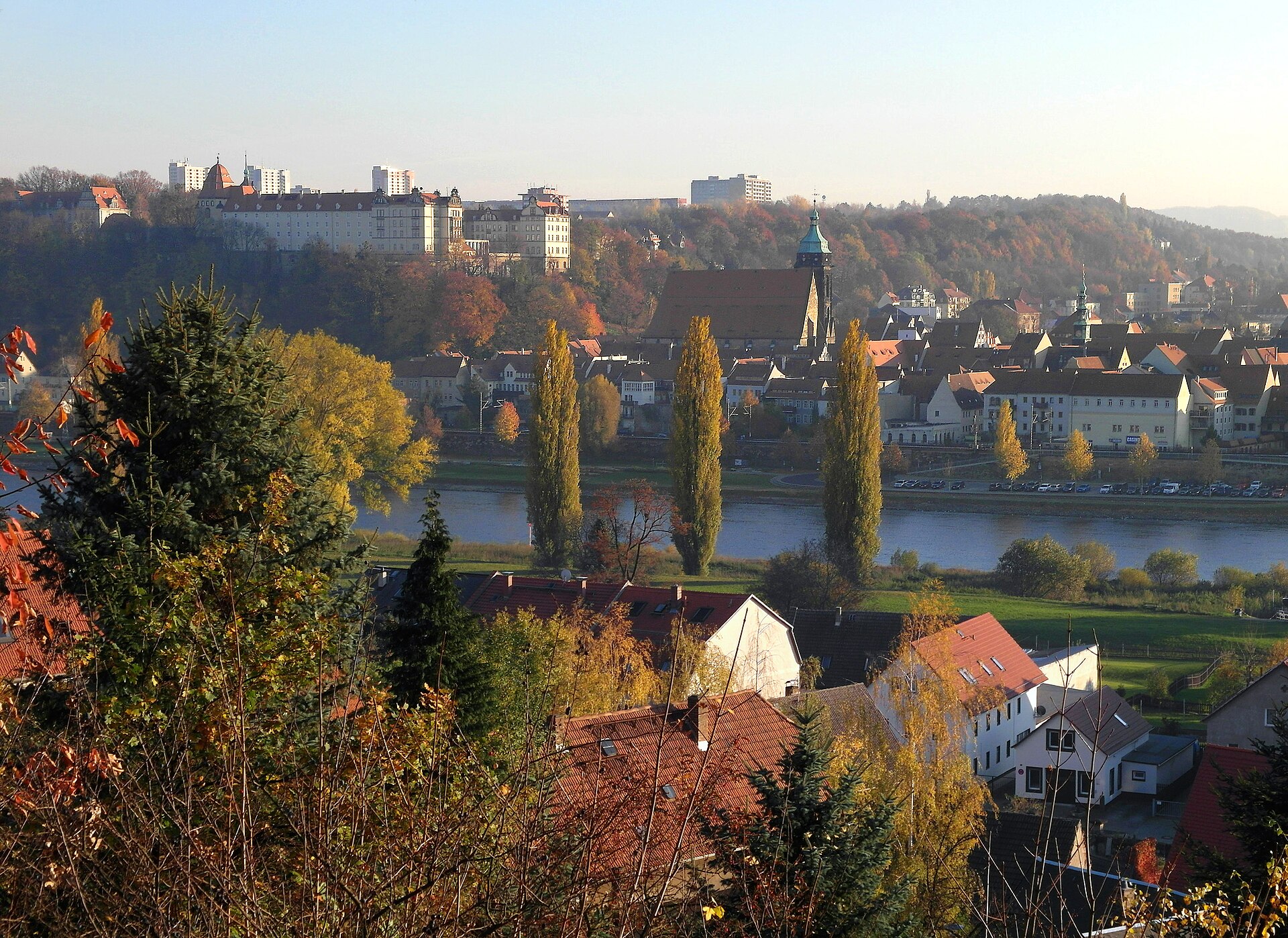
Pirna, a city often overlooked in favor of its more famous neighbors, is a hidden gem in Saxony. Situated on the picturesque Elbe, this historic city offers a rich tapestry of stories, from medieval trade to the cradle of the Reformation, and breathtaking panoramas that have inspired artists for centuries. Step into a place where every cobblestone and every facade carries a whisper from the past.
The Beating Heart: Renaissance and Reformation
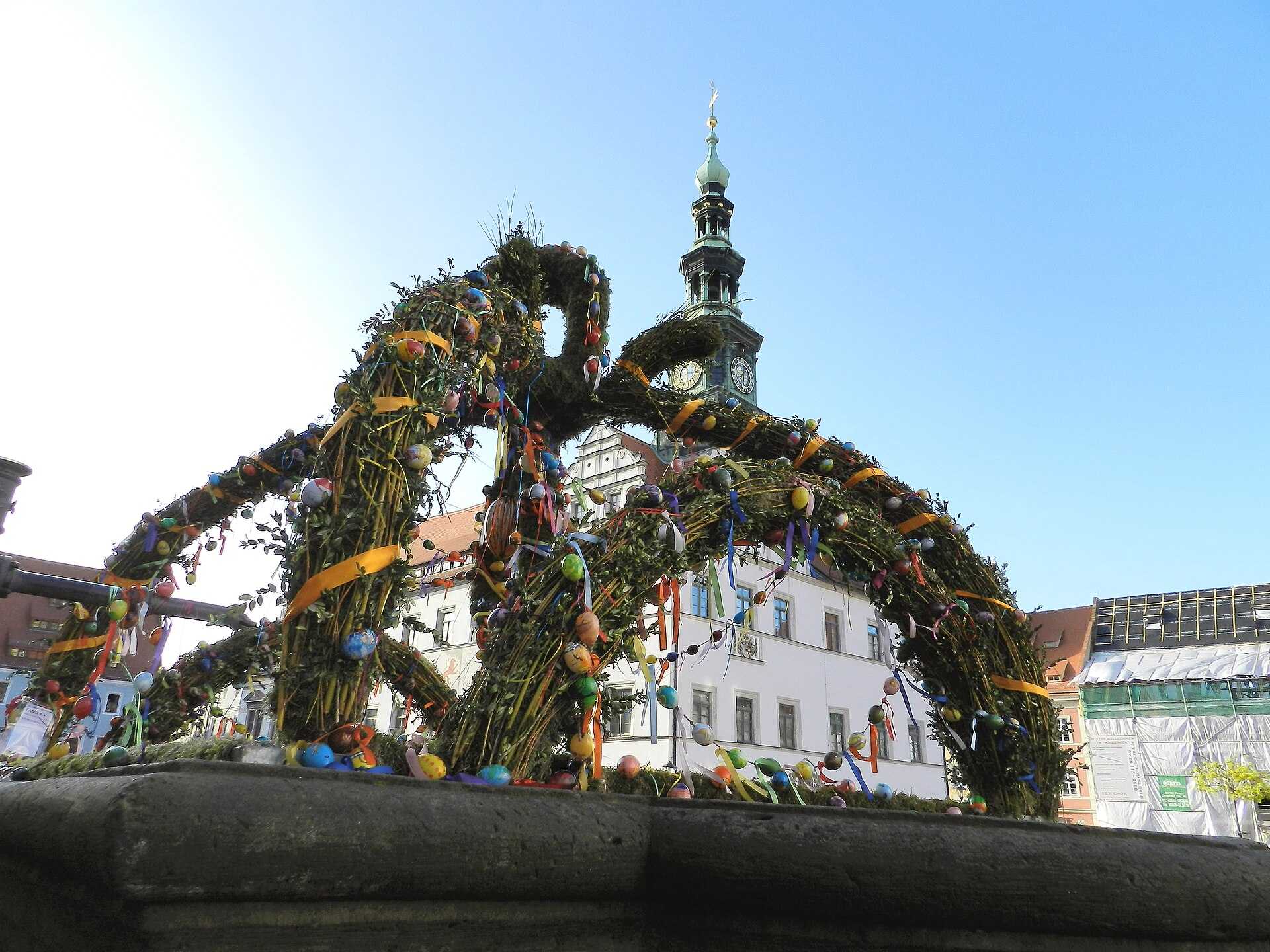
Begin your exploration at the Historischer Marktplatz, Pirna's undisputed heart. Here, on these cobblestones, centuries of bustling trade and daily city life unfolded. The beautifully preserved Renaissance facades surrounding the square each tell their own story. In the middle of the square stands the Brunnen auf dem Marktplatz, a baroque fountain adorned with intricate sculptures depicting virtues and allegories, a silent guardian of the square's history.
Near the market stands the famous Canaletto-Haus. This building was the residence and workplace of the renowned painter Bernardo Bellotto, better known as Canaletto. From this spot, he captured the city's beauty, resulting in his iconic 'Pirna views'.
Another striking building is the Tetzelhaus, with its distinctive bay window. This house was once home to Johann Tetzel, a controversial Dominican monk whose sale of indulgences provoked Martin Luther's 95 Theses, thereby sparking a revolution. It is a direct link to a crucial moment in history. Luther's influence is further felt in the city at the Denkmal, a powerful monument dedicated to Martin Luther himself, commemorating his profound impact on the Reformation and his connection to Pirna. It is a place of quiet reflection that highlights the enduring power of ideas.
Play Pirna right in your browser →
Pirna Through a Master's Eyes: Art and Panoramic Views
Pirna's beauty is found not only in its architecture but also in the vistas that surround the city. Above the city, the majestic Sonnenstein Castle is enthroned. This fortress has a complex history, from a medieval stronghold to a Renaissance palace, and holds countless stories. The view from its imposing walls alone is worth the climb.
Along the Canalettoweg, named after the famous painter, breathtaking panoramas await. From one of the viewpoints, such as the Aussicht mit Bänken (View with Benches), the entire city of Pirna unfolds beneath you, precisely as Canaletto himself might have seen it. The Elbe, the historic rooftops, and the distant hills combine to form a living painting. Another spectacular view, the Aussicht über Pirna (View over Pirna), offers a fresh perspective on the charming old town. Here you see how the red roofs converge, punctuated by church towers and the winding Elbe, a scene that has inspired artists and travelers for centuries.
Stories in Stone: From Fortress to City Life
Pirna's history is also anchored in its robust stone structures. The Alte Frohnfeste, the former city prison, is a formidable piece of medieval architecture. Its thick stone walls speak volumes about its original purpose and the stories of justice and punishment these walls could tell. It is a grim, yet fascinating reminder of Pirna's past.
Another relic from a bygone era is the Historische Postsäule Pirna. This ornate stone pillar once marked distances and routes through Saxony, guiding travelers and postal couriers in the 18th century. With its intricate engravings and coats of arms, it connects Pirna to a vast network of historical communication. Even in places where structures have disappeared, such as the Standort ehemaliger Säulenpavillon (Site of the Former Column Pavilion), the echoes of the past remain, inviting one to imagine elegant gatherings and quiet contemplation with views over the Elbe Valley.
- 12 stops
- Start anywhere
- ~3,0 km route length
- ~963 m longest stretch
- about 1,5–2 h duration
- Free

