
Also known as: Roma, Rom
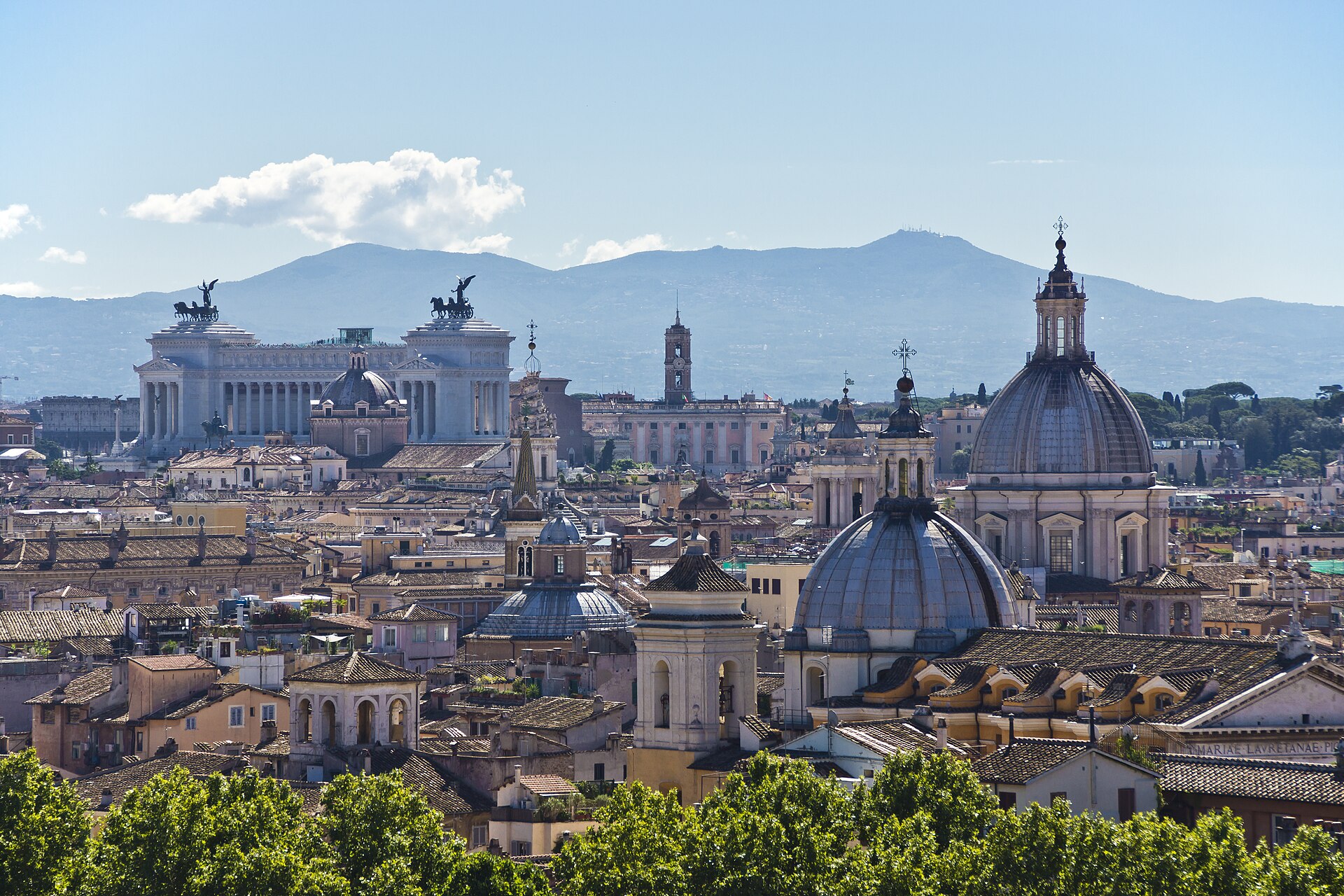
Rome is not a city you visit; it's a city you experience. Here, centuries of history, art, and life collide in a way you won't find anywhere else. From the grandeur of the ancient empire to Baroque splendor and the surprising nooks of modern city life, Rome is a living archive. It's a place where you literally feel history vibrating beneath your feet, and where every walk is a journey through time.
The Beating Heart of Antiquity
Your journey through Rome inevitably begins at the Colosseum, the world's most famous amphitheater. This colossal structure, opened in the Flavian era, is still overwhelmingly large. Beneath the arena were complex corridors, elevators, and spaces where gladiators, animals, and props awaited their moment. The scale and history of this place are immediately palpable.
Nearby lies the Roman Forum, the heart of the ancient city. Here, politics, trade, justice, and religion converged. Among the remaining columns and arches, every stone feels like an archival piece, a silent witness to the daily life and great decisions of the Roman Empire. It's an expansive area that transports you to a bygone era.
The route then leads you to Piazza Venezia, a loud, busy, and monumental square where ancient and modern Rome intersect. The white Vittoriano dominates the square like a marble exclamation mark, an impressive tribute to the unification of Italy. From here, the path unfolds further into the historic center, but not before an unexpected dive into history.
In the midst of traffic, Rome suddenly opens up to Largo di Torre Argentina. This is a fascinating place full of republican temples, connected to the assassination of Julius Caesar. Today, it's also known for its cat sanctuary, a unique scene where archaeology and the daily lives of Roman stray cats peacefully coexist.
Play Rome right in your browser →
Baroque Splendor and Hidden Gems
A highlight of Roman engineering is the Pantheon. Its enormous dome of unreinforced concrete has rested above the circular space for almost two millennia, a testament to Roman architectural skill. The oculus in the roof sends a single dramatic beam of light inside, creating a serene atmosphere. It's a place of quiet admiration.
Next, you arrive at Piazza Navona, a square that has retained the elongated shape of Domitian's Stadium. Now it breathes Baroque theater, with Bernini's Fountain of Four Rivers as its central focal point. The fountain is a stone stage full of movement, a perfect example of how ancient Rome and Baroque Rome overlap and enrich each other.
Near Piazza Navona, you'll find Pasquino, the most famous of Rome's talking statues. For centuries, Romans pasted sharp satirical texts and political commentaries here, making the statue function as an analog bulletin board with a stone face and a cheeky voice. It's a small detail that says a lot about Roman culture.
Another surprise is the church Sant'Ignazio di Loyola. Step inside and look up: the dome you see is not a real dome, but a stunning trompe-l'oeil by Andrea Pozzo. The church transforms perspective into a game, an optical illusion that your eyes believe more than your mind.
Near the Trevi Fountain lies Galleria Sciarra, a hidden gem. This courtyard shines with Liberty-style frescoes, cast iron, and a glass canopy that softly filters light inside. It's a small, free oasis that feels like a secret salon of Rome.
Icons and a Quiet Finale
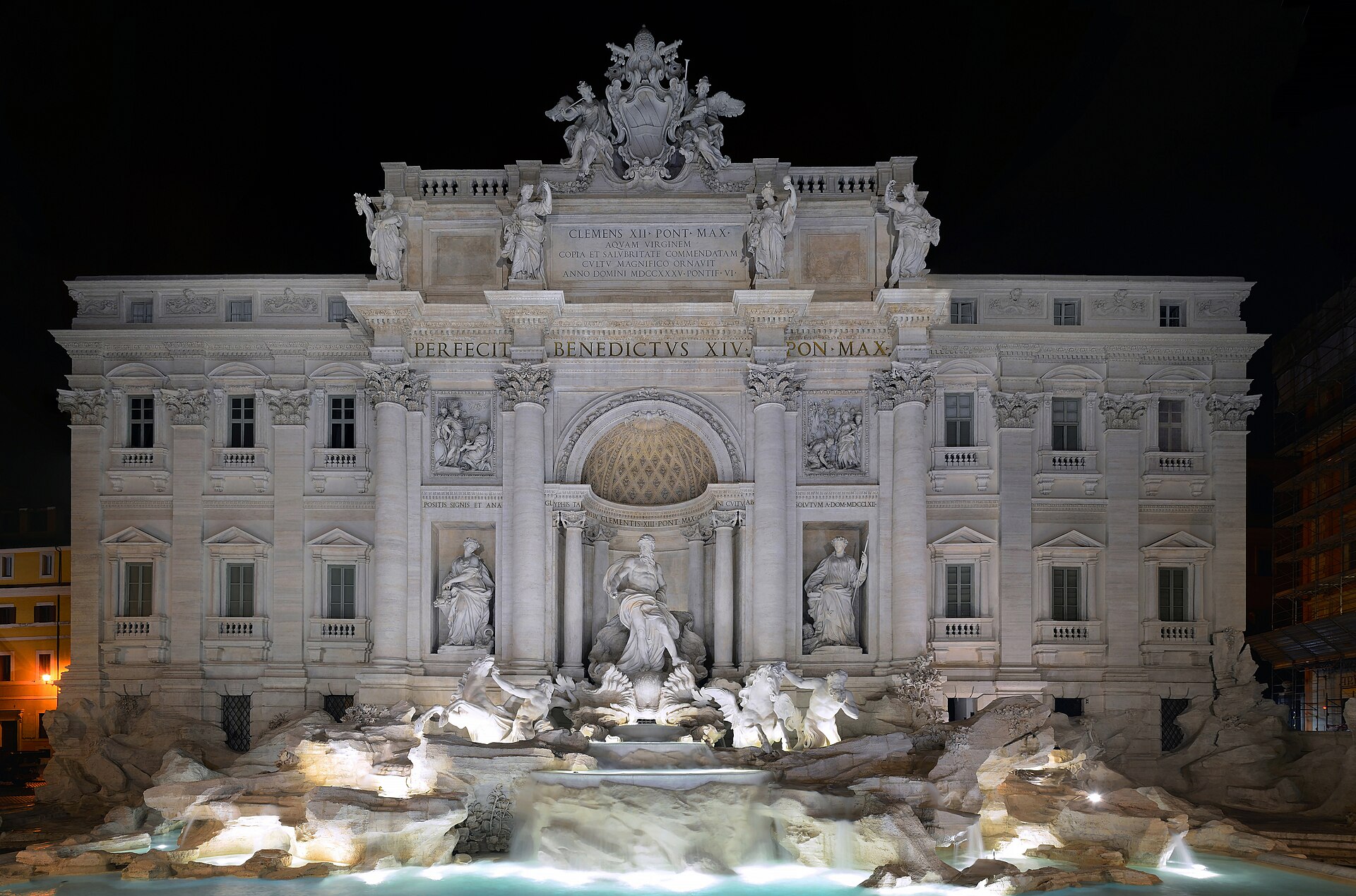
No visit to Rome is complete without the Trevi Fountain. This is pure Baroque extravagance: water, marble, and theater in one setting. The famous coin toss is part of modern visitor tradition and makes the fountain even more lively. It's a place where you experience the power of water and art in full glory.
The Spanish Steps connect Piazza di Spagna with Trinità dei Monti in an elegant series of terraces. In spring, the steps often become extra photogenic with azaleas. Below, you'll find the Fontana della Barcaccia, whose boat shape gives this busy setting a playful anchor point. It's an iconic place to sit and watch the city pass by.
Finally, for those who dare, there is the Capuchin Crypt. This crypt is macabre, but primarily intended as a meditation on transience. The chapels are adorned with the bones of thousands of Capuchin friars, arranged in patterns that are both art and warning. It's not a quick selfie stop, but a quiet finale that leaves a deep impression.
This walk through Rome is just a glimpse into the many layers the Eternal City has to offer. From the overwhelming grandeur of the Colosseum to hidden artistic illusions and the quiet reflection of the Capuchin Crypt, every step reveals a new facet. The full walk through Rome contains many more stops, riddles, and hidden details waiting to be discovered. Choose this route in the CityWalkGems app and let yourself be carried away by the stories Rome has to tell.
- 12 stops
- Capuchin Crypt start
- ~5,2 km route length
- ~723 m longest stretch
- about 2–2,5 h duration
- Paid

