
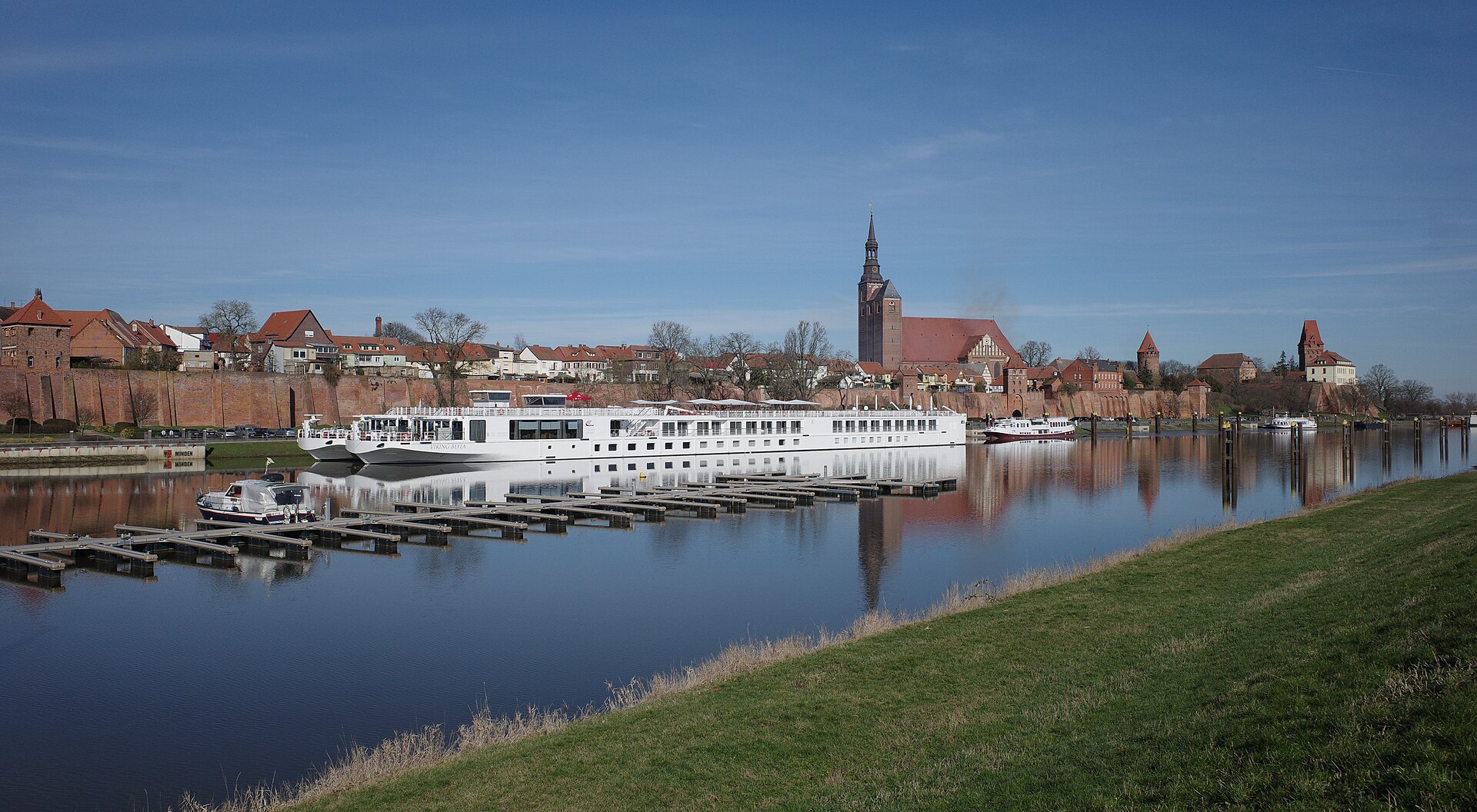
Strolling along the confluence of the Tanger River and the broad Elbe feels like stepping into a setting woven from dark red brick and centuries-old lore. Tangermünde has preserved its historic townscape remarkably well: towering ramparts, massive bastions, and imperial plateaus still dictate the rhythm of its streets. During a walking tour of Tangermünde, you discover not only how closely daily life was intertwined with the river trade routes, but also how deep scars and triumphs helped shape this timeless town.
Brick Bastions and an Eventful Town History
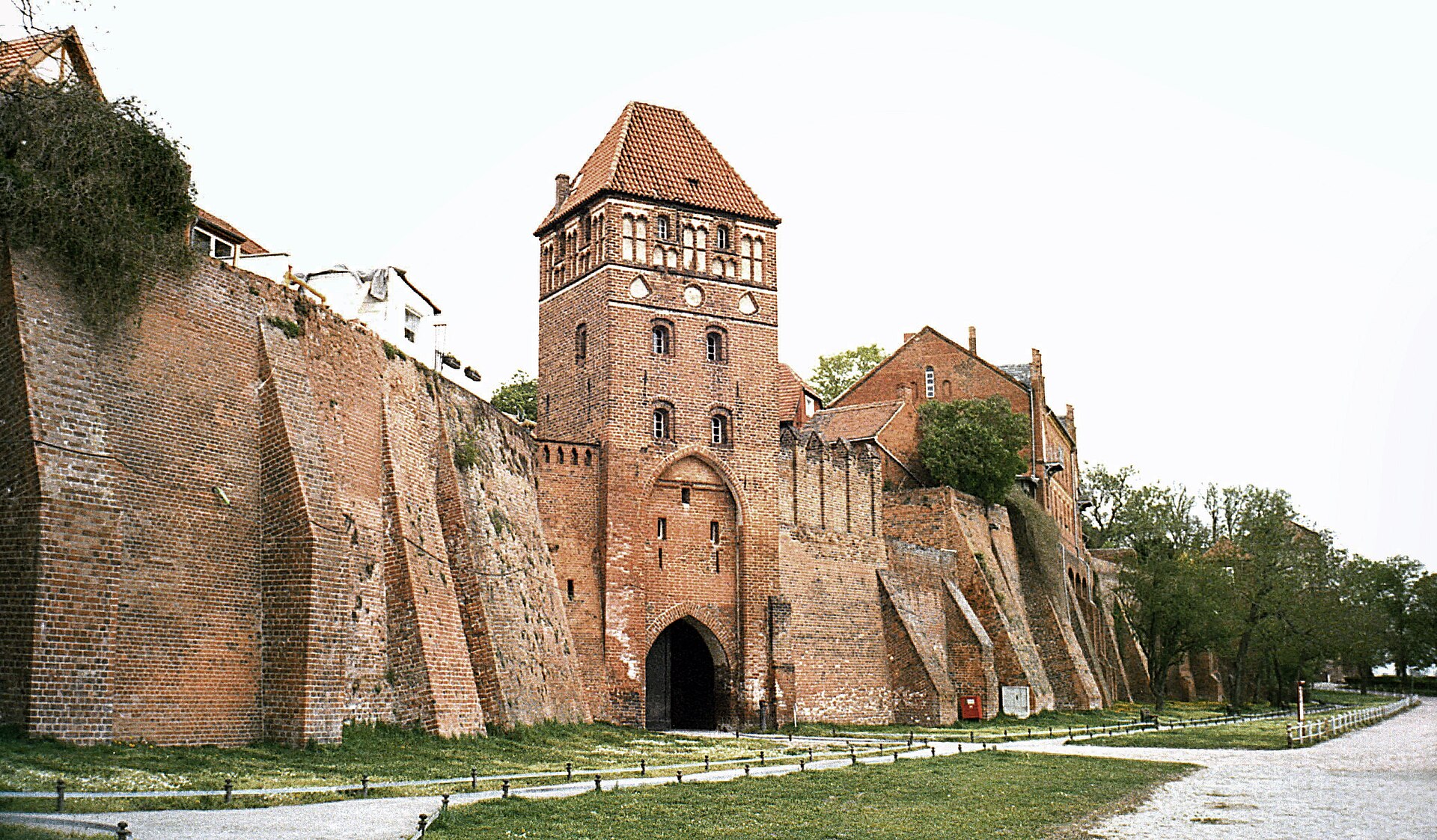
On the edge of the historic core, towering red brick walls loom high above the Reitbahnstraße. Once, the town wall formed a formidable line of defense against marauding armies and hostile intruders targeting the settlement. Where soldiers once patrolled and the defensive perimeter was rigorously guarded, a quiet, verdant walking path now traces the historic centre. The sturdy battlement walkway demonstrates the extraordinary care and resources Tangermünde dedicated to shielding itself across the centuries.
Not far away stands the Eulenturm (Owl Tower). This robust stone sentinel earned its moniker from the owls that once made their quiet homes in its crevices. From this fortified outpost, watchmen kept an unhindered eye on the surrounding countryside, ensuring incoming threats were spotted well ahead of time. Later, the structure lost its military purpose and served as a prison. Today, the tower stands as a proud historical relic nestled among ordinary residential homes—a vivid reminder of an era when town fortifications literally marked the edge of civilization.
Tangermünde's past also holds poignant and dark chapters. The Grete Minde Monument brings one of its most tragic episodes into sharp relief. The bronze likeness of Margarete von Minden commemorates the cataclysmic fire of 1617 that laid waste to the town. In the wake of this disaster, the town council scapegoated and condemned her without any real evidence. Her tragic fate lingered in the shadows of the archives for centuries until author Theodor Fontane immortalized her story in his renowned novella, granting her posthumous justice.
Play Tangermünde right in your browser →
Life Along and From the Elbe
Heading down toward the water makes it immediately obvious why Tangermünde grew into such a vital trade crossroads. In the harbor, pleasure boats bob gently against the piers precisely where the Tanger empties into the vast current of the Elbe. For centuries, this was a bustling mercantile hub. Boatmen loaded and unloaded hefty cargos of grain, timber, and cloth here, and the lapping waters still echo the golden age of the Hanseatic League.
For generations, the gateway between the quay and the higher market square was fiercely guarded by the Elbtor. Beneath the pointed brick arch of this town gate, the cobblestones slope steeply down to the water's edge along the so-called Rossfurth. Day in and day out, horsemen and haulers strained against the steep grade to drag newly arrived merchandise from the waterfront up to the market. Passing under the Gothic arch today, one immediately feels the shelter of the town give way to the cool, bracing breeze rising from the riverbank.
This enduring bond with waterborne trade also left its mark on spiritual life. Inside the Zecherei Sankt Nikolai, soaring brick vaulting commands the space. For centuries, boatmen and merchants gathered beneath these arches to pray to Saint Nicholas, their patron protector, before setting out onto the unpredictable currents of the Elbe. Following an eventful history, this sacred framework found a new calling: quiet prayers have yielded to convivial chatter, as modern visitors gather and dine beneath the historic arches.
Imperial Vistas and Hearty Hospitality
Higher up on the castle grounds, the Kapitelturm rises like a beacon above the river plains. Centurions and castle guards once scanned the horizon for miles from this vantage point, watching over the water and floodplains to catch sight of suspicious vessel movements in advance. The tower's massive masonry has weathered shifting dynasties and hostile sieges, remaining an enduring monument to the site's strategic significance.
Right next door sits Tangermünde Castle itself. From this elevated bluff, Holy Roman Emperor Charles IV once held sway over his northern realm. Today, the vantage point affords a breathtaking panoramic view of the Elbe Valley. It is an ideal spot to pause and absorb the majestic tranquility, gazing out across a gently rolling river landscape that looks virtually unchanged since emperors held court here.
For those ready to rest their legs after the ascent, the streets sheltered within the ramparts offer a cozy sanctuary. Behind the distinctive historic façades of Kirchstraße, home to the atmospheric Exempel Gaststuben, the aromas of hearty stews and fresh local ale drift into the street. Inside, antique school benches and old-world tavern furnishings have been lovingly arranged, demonstrating how effortlessly Tangermünde weaves its living heritage into modern everyday life.
This glimpse covers only a fraction of what awaits discovery along the imperial banks of the Elbe. The full self-guided walk through Tangermünde leads you to concealed passages, engaging riddles, and fascinating historical anecdotes. Download the CityWalkGems app to explore at your own leisure and uncover all the captivating secrets of this ancient Hanseatic gem.
- 9 stops
- Start anywhere
- ~3,6 km route length
- ~857 m longest stretch
- about 1–2 h duration
- Free

