
Also known as: Aoste
Aosta, nestled in the majestic Italian Alps, is more than just a picturesque city; it's a living museum, where every cobblestone whispers stories of two thousand years of history. Once known as Augusta Praetoria Salassorum, this city was a strategic Roman stronghold, and the traces of that glorious era are preserved here in an unprecedented way. But Aosta is also a place where medieval elegance and deep religious traditions converge, creating a unique atmosphere found nowhere else. Prepare for a journey of discovery that will draw you deep into the past of this fascinating city.
The Unparalleled Roman Heritage
Your journey through Aosta inevitably begins with the impressive Roman foundations that so characterize the city. The majestic Arco di Augusto, built in 25 BC, marked the grand entrance to the Roman city. With its refined Corinthian capitals, it is a powerful symbol of Roman power and architecture, a gateway to a lost world that is still tangible here.
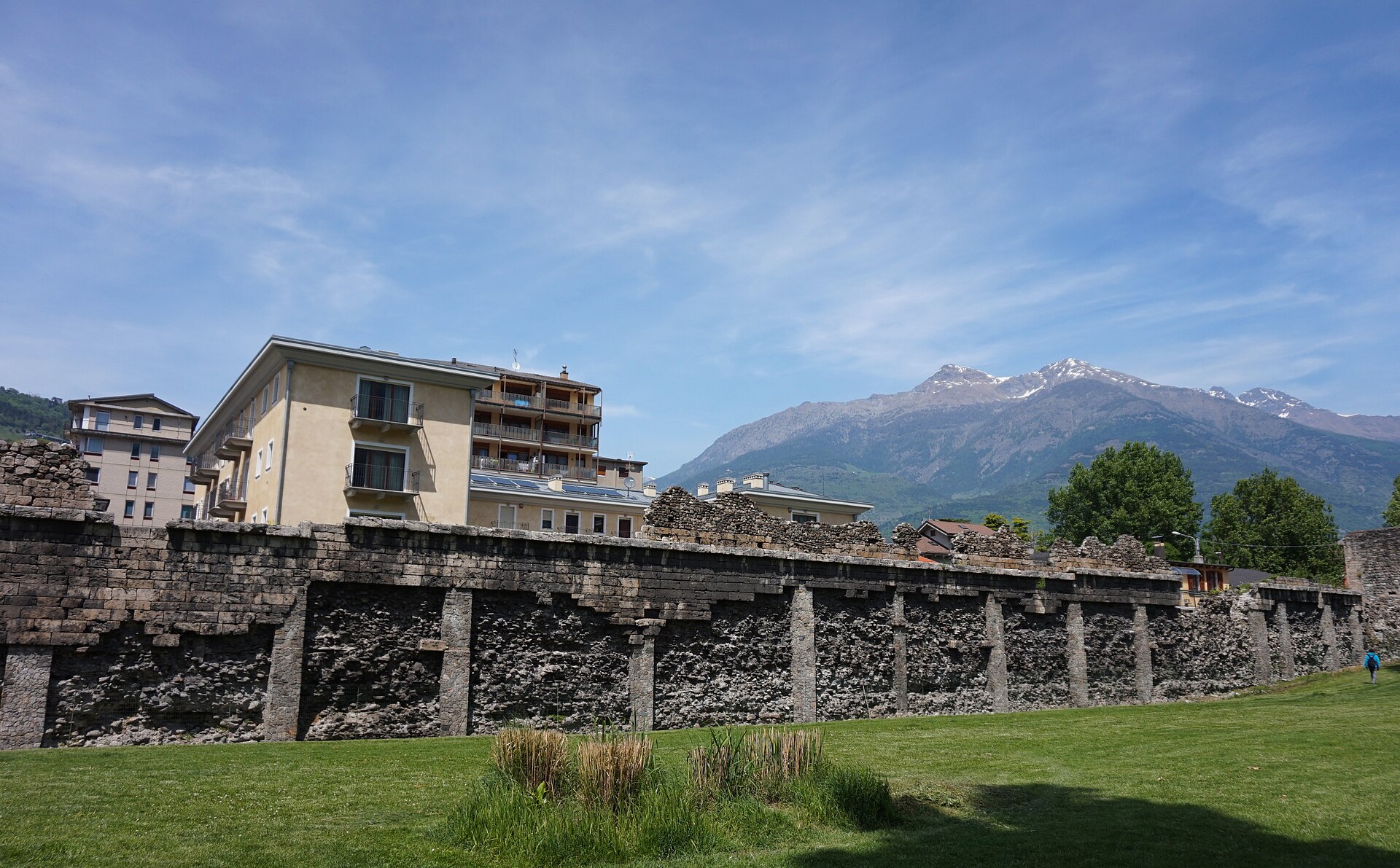
From here, a city unfolds, carefully embraced by the Mura di Aosta, the ancient Roman city walls. These massive structures, with their characteristic alternating layers of stone and brick, have surrounded the city for two thousand years and are living proof of unparalleled Roman engineering and strategic genius. The Augusta Roman City Walls demonstrate the precision of Roman construction in every joint. It is a monumental embrace of the past that still watches over the city.
Another wonder of Roman engineering is the Pont de Pierre, the ancient Roman bridge that has spanned the Buthier River for two thousand years. It is remarkable that this massive stone structure is still in use and has withstood the test of time with such grace. The constant murmur of the water beneath your feet reminds you of the unwavering strength of this construction.
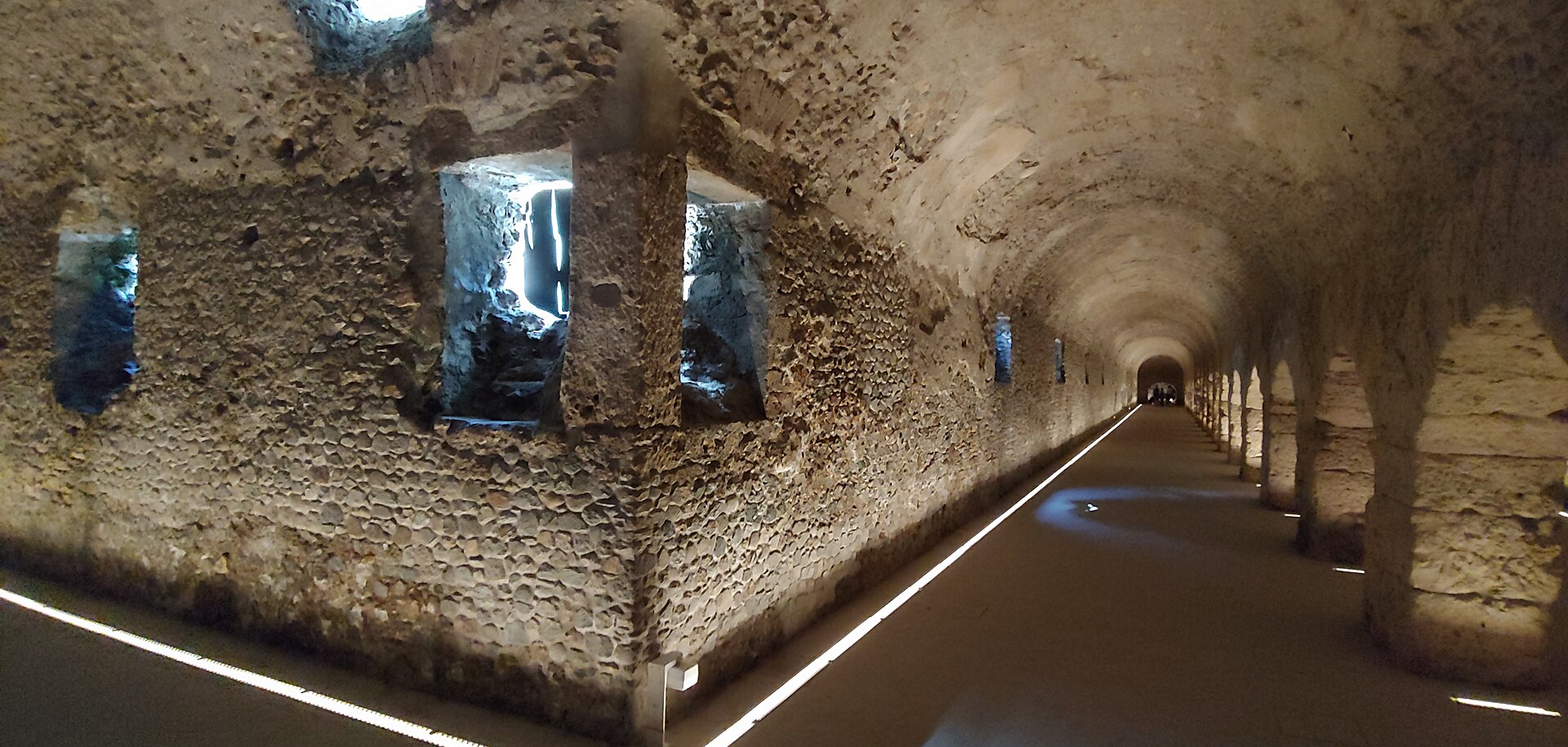
But Aosta's Roman history is not limited to what is visible above ground. Step down into the Criptoportico Forense, an underground marvel of Roman architecture. Here, double-vaulted corridors once supported the bustling Roman forum above. It not only provided structural strength but also a cool escape from the summer heat, a place where time stands still and stories come to life.
Aosta's deep roots are also revealed in the Museo Archeologico Regionale. This modern museum is ingeniously built on the ruins of a Roman theater, and inside, you can still admire the ancient foundations. It is a seamless fusion of innovative architecture and deep-rooted history, a window into the city's rich Roman origins.
Medieval Echoes and Hidden Stories
Besides Roman grandeur, Aosta also harbors a rich tapestry of medieval stories and architecture. The Roncas Palace is a building that reflects Aosta's rich history. Roman foundations lie beneath your feet, a medieval tower rose above them, and eventually, it transformed into the opulent residence of a noble family. Its beautiful facade and details invite you to imagine how the nobility once walked these marble stairs.
The city was protected through the centuries by robust fortifications, including the imposing Tour Neuve. This medieval tower, once an essential part of the Roman city wall, proudly towers above the city, exuding strength, a silent witness to bygone eras and countless defenses.
A place with a somber but fascinating history is the Leper's Tower. It once began as a Roman watchtower, but later became infamous as a quarantine place for lepers, giving the tower its current, poignant name. It is a silent reminder of times of disease and deep isolation, but also of the resilience of the city of Aosta.
Delve deeper into hidden history at the Chiesa Paleocristiana di San Lorenzo. This is an archaeological treasure that reveals fascinating layers of the past, from impressive Roman remains to the foundations of an early Christian basilica. The crypt beneath the modern church is a serene place where you can feel the echoes of ancient prayers, a true journey back in time.
A highlight of medieval art is the Romanesque cloister of Chiostro romanico di Sant-Orso (XII s.). Here, surrounded by beautifully sculpted capitals, each with its own unique and detailed story of biblical scenes and fantastic creatures, you feel time slow down and history come alive. Each column tells its own story, a place of contemplation and wonder.
Finally, the stately Statua di Sant'Anselmo stands as a tribute to one of Aosta's most illustrious sons. Sant'Anselmo, born in the 11th century, was an influential theologian and philosopher whose profound ideas forever influenced medieval thought. The open book in his hand is a powerful symbol of his immense intellectual legacy, a timeless inspiration.
Aosta is a city that invites you to wander, discover, and let yourself be carried away by the stories carved into every stone. This city walk offers only a glimpse of the many treasures Aosta has to offer. The full route reveals even more hidden details and fascinating places. To truly experience Aosta and unravel all its secrets, choose the walk through this historic city in the CityWalkGems app.
- 12 stops
- Start anywhere
- ~3,1 km route length
- ~727 m longest stretch
- about 1,5–2 h duration
- Free

