
On the west coast of Estonia lies Haapsalu, a tranquil seaside town renowned for the shallow waters of its sheltered bays and the mineral-rich mud resting on the seabed. While fishermen and artisans set the rhythm of life for centuries, the nineteenth century saw it blossom into a favored retreat for tsars, the aristocracy, and renowned artists. Exploring Haapsalu on a walking tour reveals a fascinating historical tapestry: from a thirteenth-century episcopal castle to a regal railway station from the dawn of the twentieth century.
Curative Mud and Imperial Promenades along Tagalaht
Haapsalu’s rise as an international spa resort began in the early nineteenth century thanks to local physician Carl Abraham Hunnius. He studied the coastal mud and determined that it possessed healing properties for rheumatic ailments. His pioneering clinical work set off a profound transformation: the sleepy fishing community evolved into a fashionable haven for high society from Saint Petersburg and Moscow. In the waterfront park, a monument honors Hunnius in a spot where the salty scent of sea air mingles with the verdant trees.
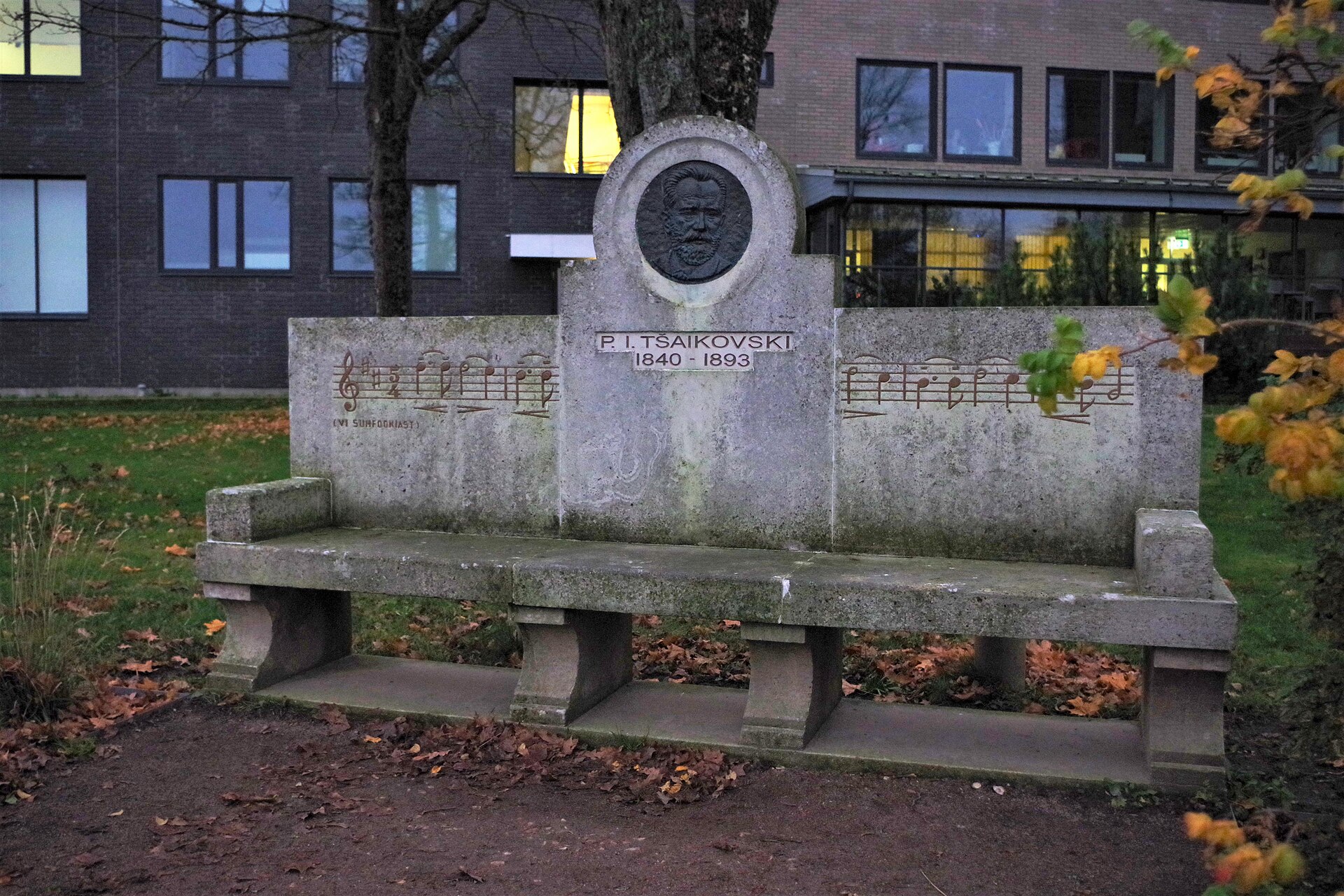
Soon after, an elegant promenade was built along the shore. Along the Promenaadi trepistik, imperial families and poets once strolled in crisp linen suits and lace gowns, soaking in the brisk sea breeze. In those days, the wide steps led directly down to the water, offering a view across to the nearby wooden Kuursaal. Further along the same shore sits the stone Tchaikovsky’s Bench (Tšaikovski Pink). In the nineteenth century, Russian aristocrats flocked to this bay for restorative treatments. It was here by Tagalaht Bay, where seagulls skim just above the water, that composer Pyotr Ilyich Tchaikovsky found the solace he needed to compose his very first opera.
Just a little further, the Haapsalu muul extends into the bay like a long stone finger. Built from fieldstones, this pier once served as a landing stage for the steamships that brought vacationers from Saint Petersburg and Tallinn. Today, the breakwater offers a serene walking path where barn swallows and damselflies dart over the sun-warmed rocks.
An Episcopal Stronghold and Swedish Roots
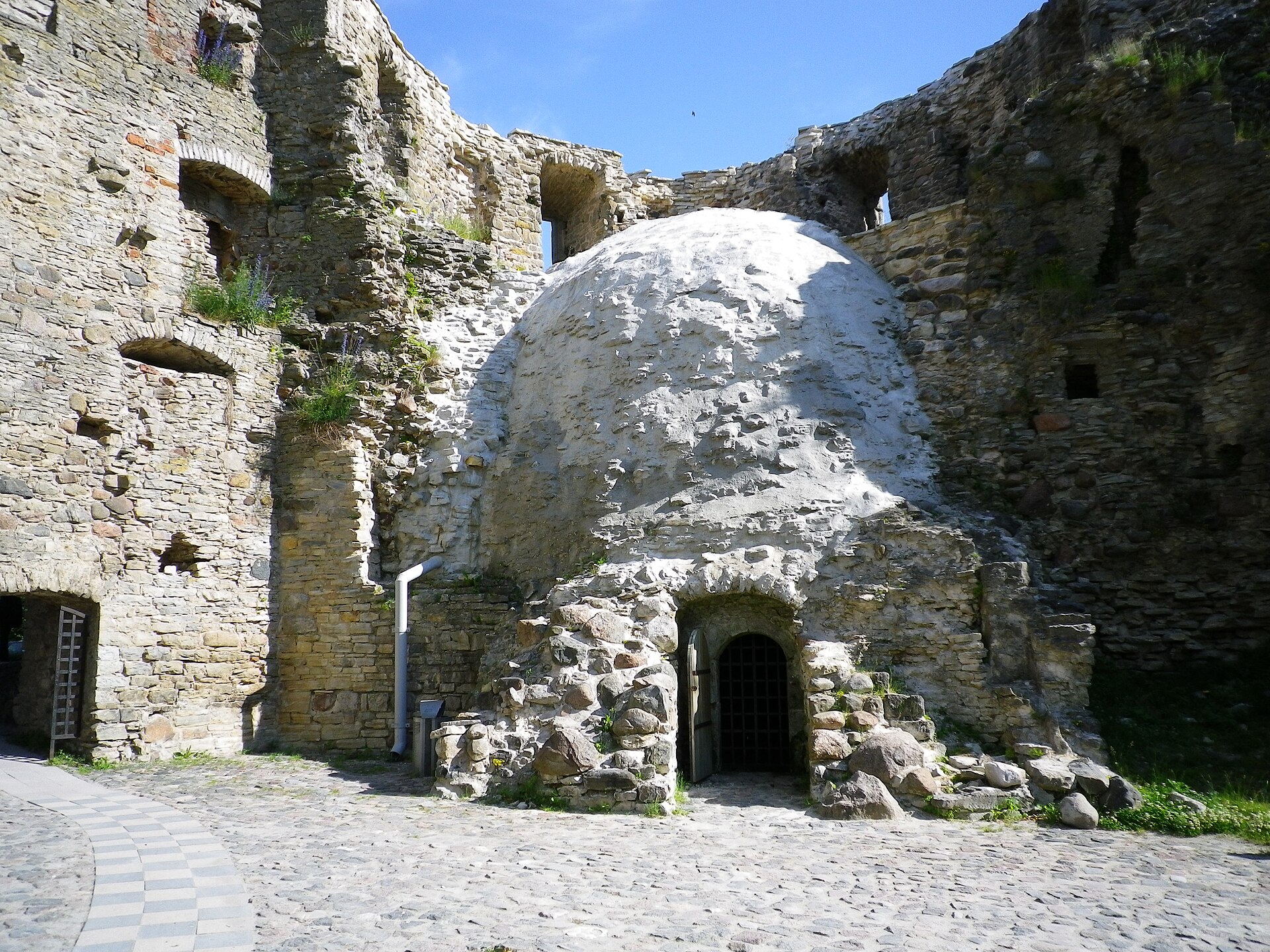
The town’s historical anchor is Haapsalu Castle. Starting in the thirteenth century, this was the seat of the prince-bishops of Saare-Lääne. The fortress was defended by moats and formidable limestone curtain walls surrounding an expansive courtyard. In the castle chapel, the legend of the White Lady endures; local lore tells that her ghostly figure appears in the window during every August full moon. From the castle's elevated ramparts, you can look out across the roofs of the old town all the way to the Baltic Sea—a vantage point where sentries once scanned the horizon for hostile fleets during the era of the Livonian Confederation.
Just beyond the castle park lies a completely different chapter of history. In a peaceful lane lined with brightly painted window frames, illustrator Ilon Wikland spent her childhood with her grandparents. The wooden houses and winding alleys of Haapsalu formed the mental imagery she carried with her when fleeing across the sea to Sweden in 1944. Those memories later became the beloved backdrop for her famous illustrations in Astrid Lindgren’s classic books.
The historical bond with Sweden runs deep in this region. Along the waterfront, the Coastal Swedes Museum (Rannarootsi muuseum) showcases the heritage of the Estonian Swedes. For centuries, this coastal fishing community lived around the bay with its own unique dialects and customs, until nearly the entire population was forced to flee during the war in 1944. The wooden fishing piers beside the museum stand as lasting testaments to this maritime past.
Market Stalls and a Covered Imperial Platform
Walking inland toward the old railway hub, you will pass Haapsalu turg. At this market, residents from across the peninsula gather to trade fresh regional produce. The air between the stalls is rich with the aroma of smoked fish, wild blueberries, chanterelles, and dill, alongside jars of local honey and hand-knitted woolen mittens.
Right beside the market stands the Railway and Communications Museum at Haapsalu's historic train station. The complex was constructed in 1905 to meet a singular requirement: the tsar’s imperial train had to be accommodated under a roof along its entire length, ensuring the royal family could step off without braving the elements. The station is celebrated for its intricate woodwork and soft pastel palette along a dizzyingly long wooden platform. Vintage steam locomotives rest on the tracks, recalling the golden dawn of rail travel in Western Estonia.
The stops described here are just a small taste of what this seaside haven has to offer. Amidst limestone fortifications, reed beds alive with waterbirds, and nineteenth-century wooden lanes, countless other stories and hidden details await discovery. If you wish to experience the full walking route for yourself—complete with interactive riddles and lesser-known gems—open the complete Haapsalu walking tour in the CityWalkGems app.
- 12 stops
- Rannarootsi muuseum start
- ~5,0 km route length
- ~860 m longest stretch
- about 2–2,5 h duration
- Free

