
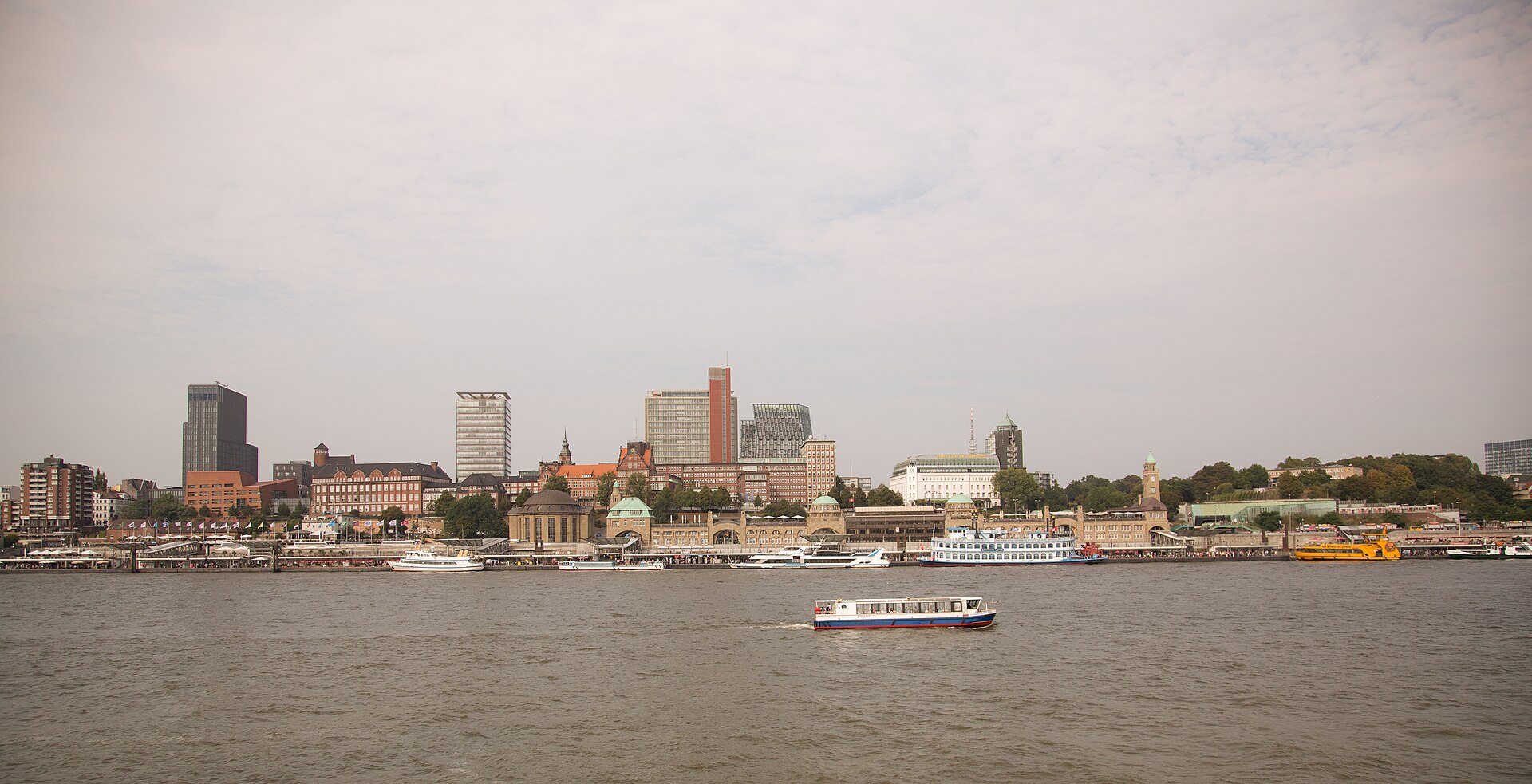
Also known as: Freie und Hansestadt Hamburg, Hambourg, Hamburgo
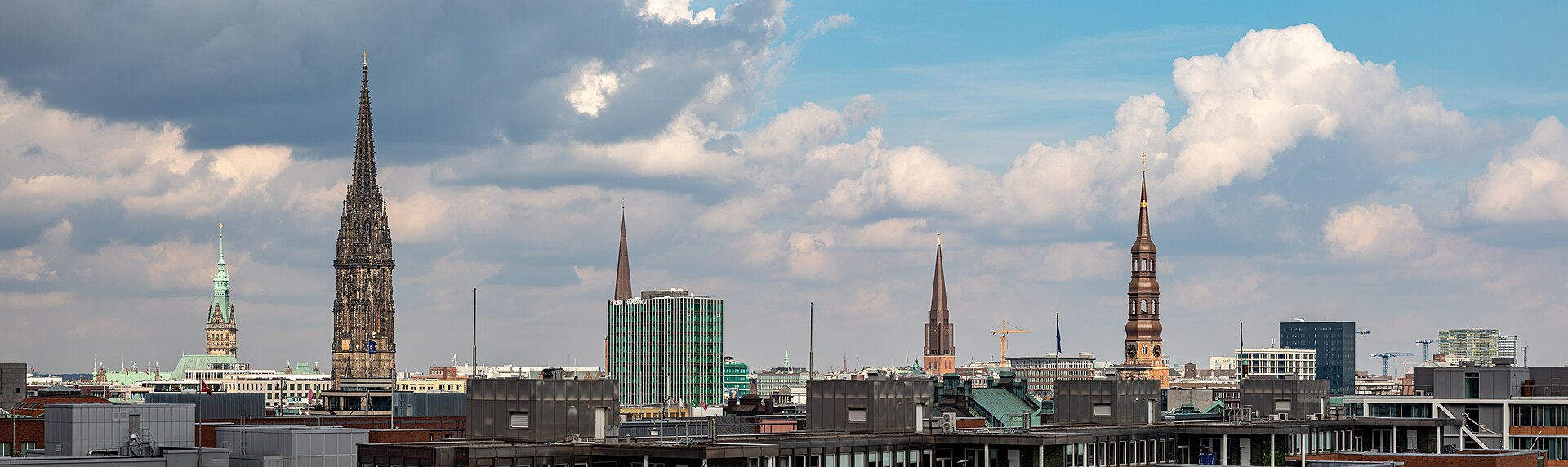
Hamburg is more than just a city; it is a living testament to resilience, trade, and progress, where the echoes of sailors and merchants still resonate between modern architecture and historic warehouses. A city walk through Hamburg is a journey through time, along waterways that form the lifeblood of this metropolis. From imposing government buildings to the raw beauty of the harbor, Hamburg surprises and inspires at every turn.
The Historic Heart of Hamburg
Our exploration begins in the beating heart of the city, at the Hamburger Rathaus. This imposing Neo-Renaissance building, completed in 1897, dominates the cityscape with its grandeur. With no fewer than 647 rooms and a serene inner courtyard featuring the Hygieia Fountain, the Rathaus is a recognizable and central starting point directly connected to Hamburg's urban administration.
Not far from there lies the Trostbrücke, a small but significant crossing between the Rathaus, the Nikolaifleet, and the old trading area. The stone statues of Bishop Ansgar and Count Adolf III give this bridge a deep historical significance, recalling the city's early history.
An impressive yet solemn place is the Mahnmal St. Nikolai. The tower of the former main church, destroyed in 1943, now stands as a warning and a viewpoint. It is a sensitive memorial site for war and violence from 1933 to 1945, prompting reflection on the city's past.
Next, we delve deeper into the past on the Deichstraße. Here, old Hamburg feels tangible. The merchant houses along the Nikolaifleet evoke images of the 17th-century trading city. It is also a place with a dramatic history: the Great Fire of 1842 began here, around 1 AM, and transformed a large part of the city.
Play Hamburg right in your browser →
From Warehouses to Philharmonie: The Port City in Motion
At the Kehrwiederspitze, we enter one of Hamburg's most iconic areas: the Speicherstadt. This is one of the largest historic port warehouse complexes in the world, characterized by red brick, numerous bridges, and a network of canals. It is a unique place where the history of global trade is still palpable.
The transition from maritime tradition to the modern HafenCity becomes tangible at Sandtorhafen and the Magellan-Terrassen. Here lies the Traditionsschiffhafen, where historic ships line the pontoons, keeping the connection between the port's past and present alive.
An absolute highlight and Hamburg's modern icon is the Elbphilharmonie. This architectural masterpiece, designed by Herzog & de Meuron, is a glass crown atop the old Kaispeicher. Its wave-like roofline reflects the waters of the Elbe and offers spectacular views over the city and the harbor.
Maritime Icons and Underground Wonders
As we continue our walk along the harbor, we encounter the Feuerschiff LV 13, a striking red lightship. This vessel, which once guided shipping, now offers catering and accommodation, serving as a playful stop in the lively harbor.
Another strong maritime icon is the Rickmer Rickmers. This green three-masted museum ship, built in 1896, has been permanently moored at the Landungsbrücken since 1983. It tells the story of sailing and the long journey the ship has made.
The walk concludes with a special finale beneath the Elbe: the Alter Elbtunnel. This tunnel opened in 1911 as a technical sensation. Pedestrians and vehicles descended via large elevators to cross the Elbe, an impressive feat of early 20th-century engineering that is still in use and offers a unique experience.
This walk offers just a glimpse of the many layers Hamburg has to offer. The city is full of stories, from centuries-old trade routes to modern architectural marvels, and every corner hides a detail worth discovering. For those who want to delve deeper and experience all facets of this vibrant port city, the complete walk awaits you in the CityWalkGems app.
- 10 stops
- Hamburger Rathaus start
- ~5,2 km route length
- ~879 m longest stretch
- about 1,5–2,5 h duration
- Free

.jpg)