
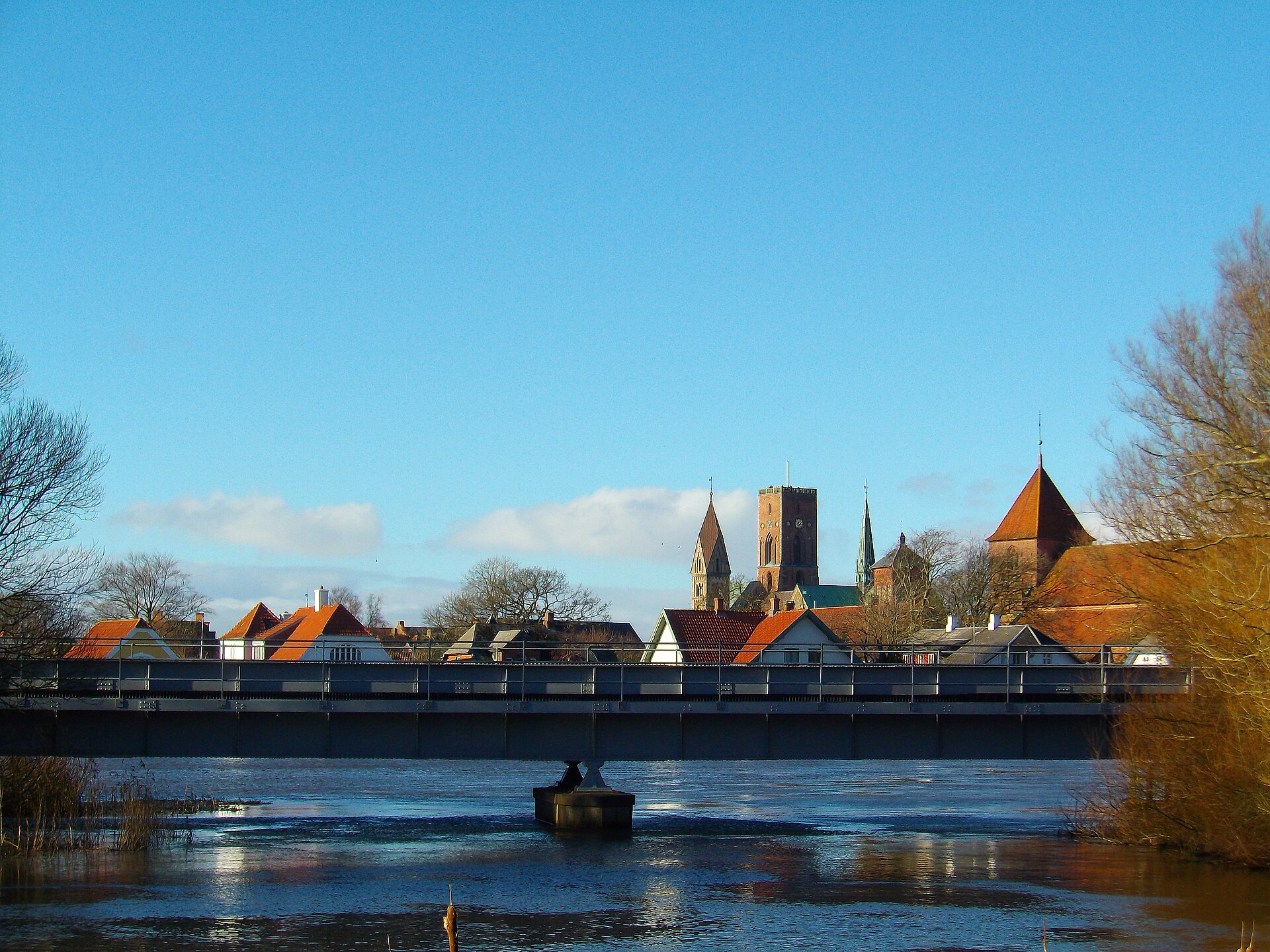
Ancient Echoes: From Viking to Cathedral
Our journey through Ribe begins at the city's roots, which lie deep in the Viking Age. The Museet Ribes Vikinger (Ribe Viking Museum) is a fascinating gateway to this rugged past, where you can experience Ribe as a vibrant trading town of that era. The reconstructions bring the stories of the early inhabitants to life in an unforgettable way, complete with the scent of tar and smoke and the glint of silver coins.
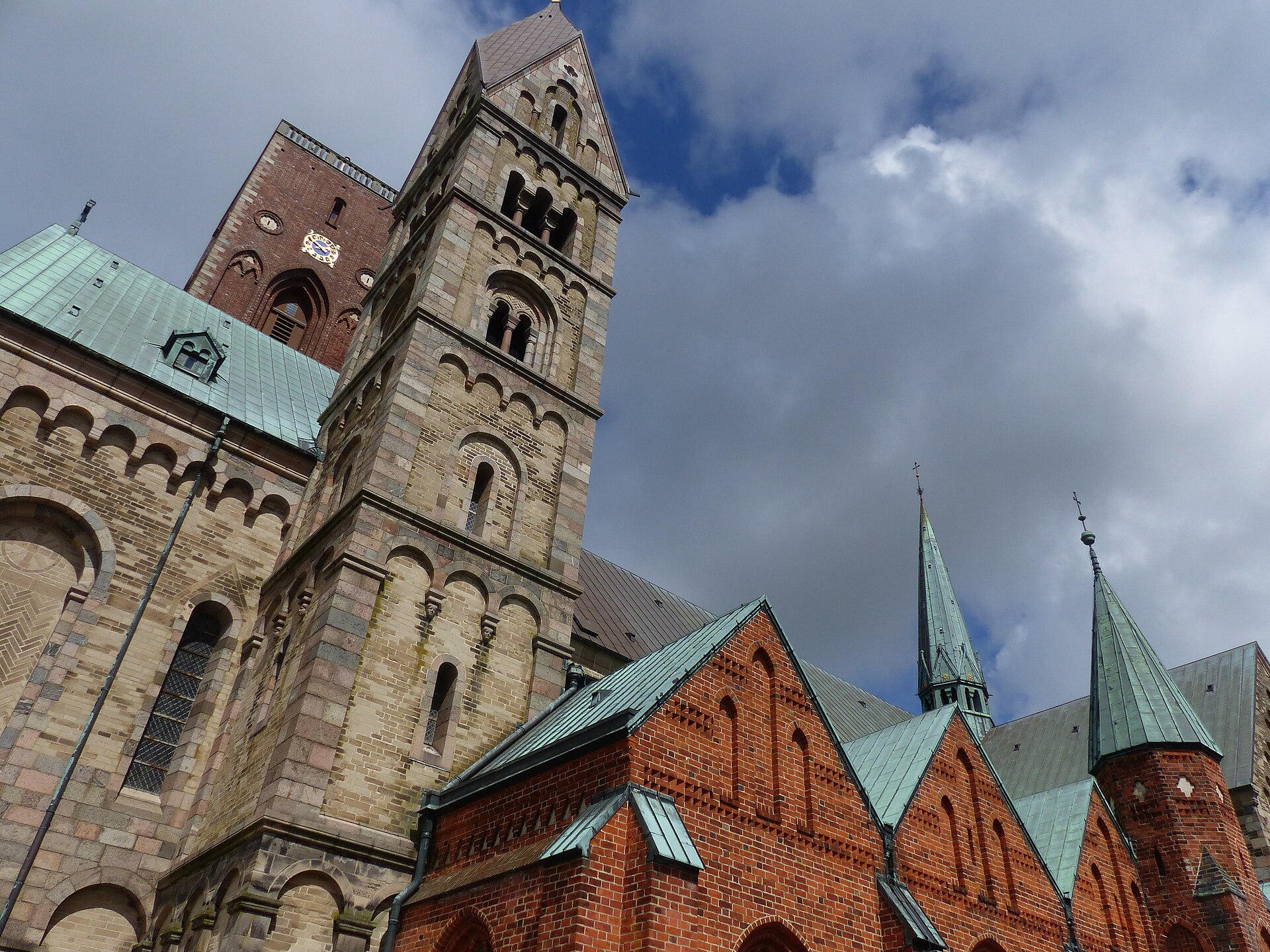
From the Vikings, we leap to the impressive Ribe Cathedral, a sentinel of history that has watched over the city for more than 800 years. Its towering presence and unique blend of Romanesque and Gothic architecture tell a story of faith and resilience. Inside, the magnificent frescoes by Carl-Henning Pedersen add a vibrant, modern touch to the ancient walls.
Near the cathedral, you'll find Ribe Kloster (Ribe Abbey), a former Dominican monastery from the 13th century. Although it is now a residence, it still exudes a sense of peace and contemplation. The courtyard is an oasis of tranquility, with architectural details that bear witness to centuries of history and devotion.
A visit to Riberhus Slotsbanke, the site where the mighty Riberhus Castle once stood, is a must. Although only a green mound remains today, this place breathes history. It was a royal residence that dominated the city, where kings and queens lived and important decisions were made. From here, you can enjoy a panoramic view of Ribe and the river.
The Power of Water and Man: Life on the Ribe Å
Ribe's identity is inextricably linked to the Ribe Å river, which flows peacefully through the city. The charming wooden bridges are characteristic of Ribe; they connect the old streets and houses and offer picturesque views of the water and historical architecture. The sound of footsteps on the wood adds an authentic layer to the experience.
Further along the river, you'll encounter the Ribe Water Wheel, a living monument to Ribe's industrial history. For centuries, this wheel harnessed the river's power to drive mills, a fascinating example of early sustainability and how natural elements were utilized for daily life.
The Stormflodssøjlen, or Storm Surge Column, is a sober reminder of the power of nature and the resilience of the people of Ribe. The markings on the column show the highest water levels of the most devastating storm surges throughout the centuries. It is a monument that reminds us to respect the sea and honor the stories of those who defied it.
Art, Stories, and Reflection: The Deeper Layers of Ribe
Det Gamle Rådhus Ribe (The Old Town Hall of Ribe), with its characteristic red brick and stepped gables, has been the heart of civil power since 1709. Originally, it was a wealthy merchant's house. Here, you can truly feel the history, from the old courtroom to the wedding hall, a place where important decisions were made and lives were joined.
Ribe also has a dark history, which is vividly brought to life in the Hex! Museum of Witch Hunt. Ribe was once the epicenter of the Danish witch hunts. The museum tells the stories of the accused and the fear of that era, serving as an important warning against the dangers of intolerance and the necessity of tolerance.
For art lovers, there is the Ribe Kunstmuseum (Ribe Art Museum), housed in a beautiful 19th-century building that was originally a textile factory. The transformation from industrial heritage to a serene space for art is inspiring. Here, Danish art from the 19th century to the present comes together in an environment that feels both historical and modern. As you wander through the streets of Ribe, you'll also encounter charming private residences, such as Taarnborg, with its distinctive tower and elegant facade, whispering stories of wealthy families and influential figures from the past.
- 12 stops
- Start anywhere
- ~3,2 km route length
- ~535 m longest stretch
- about 1,5–2 h duration
- Paid

